
Should we stay or should we go?
The loss of my passport set off a string of very, very negative eventualities, and it’s still not clear where it all will end. Getting a new temporary passport from the American embassy in Panama City was, relatively speaking, a piece of cake. They advised that I go to a passport agency in the states as soon as possible to get a permanent passport, and since I was heading back to Denver within a week or so for a dermatology appointment (while Peter crossed the Pacific Ocean), I figured that was pretty much a done deal.
So naïve.
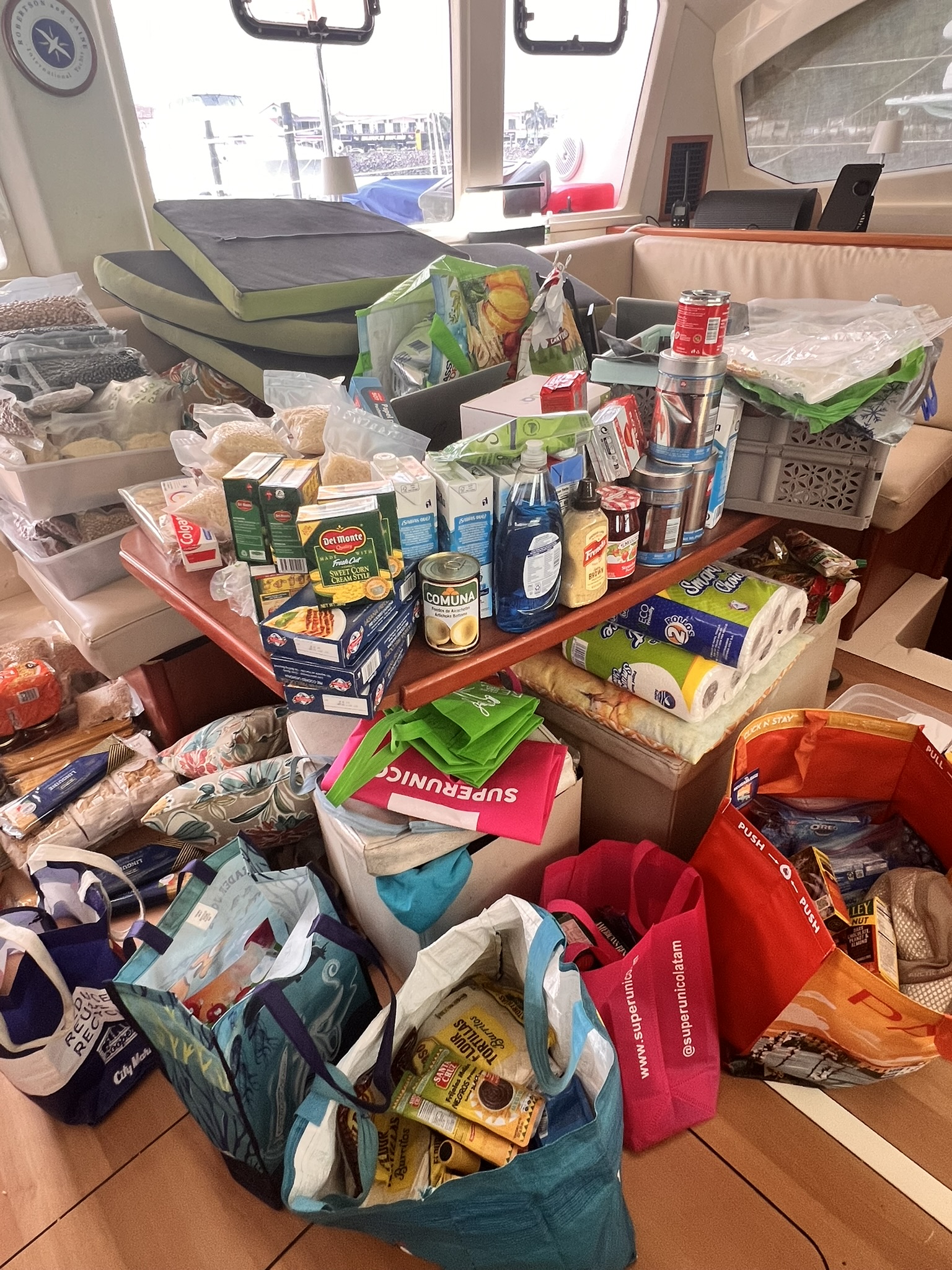
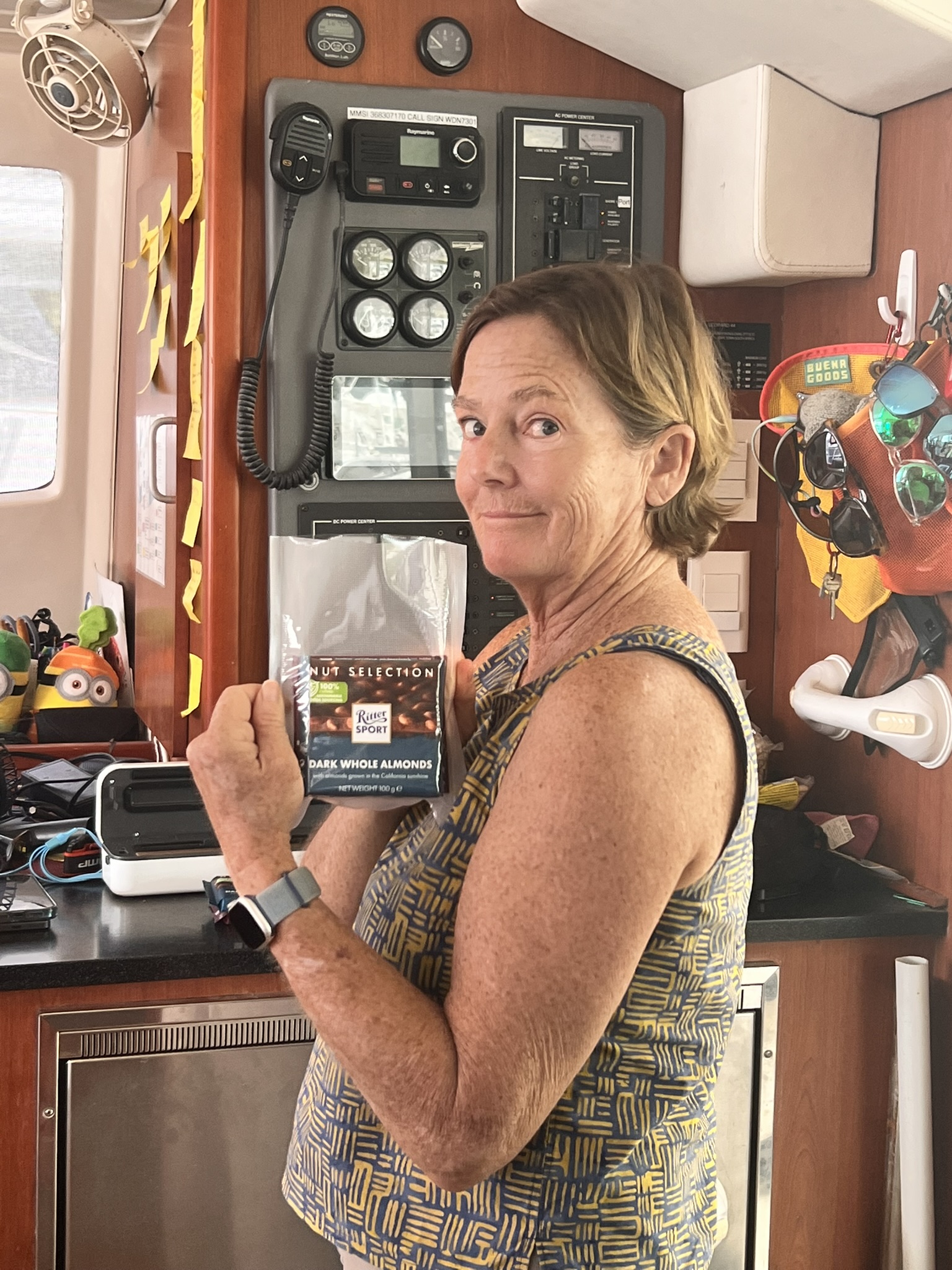
But that’s getting ahead of myself. In the meantime, we did some sightseeing, and I went to a lot of different grocery stores. We had crew for the crossing arriving that first week of May and I now knew they wanted to be involved in the provisioning for their time on the boat. So, my focus shifted more to laying in the staples I knew we wouldn’t find in our first four months or so in the Marquesas and Tuamotos – you know, like Bob’s Red Mill organic steel cut oats. Necessities! And dried fruit, and brown rice. Chocolate bars, farro, quinoa, pearl couscous, powdered coconut milk, pancake mix and maple syrup. Dried black beans, split peas, lentils, red lentils, tiny black lentils, garbanzo beans, kidneys and pintos, oh my! I’d been making lists for months, had done weeks of consumption research, and made good on my threat to pack the bilges with the foods we couldn’t live without. Another day of vacuum sealing anything not already tightly packaged, and it was all ready to go into the bilges.
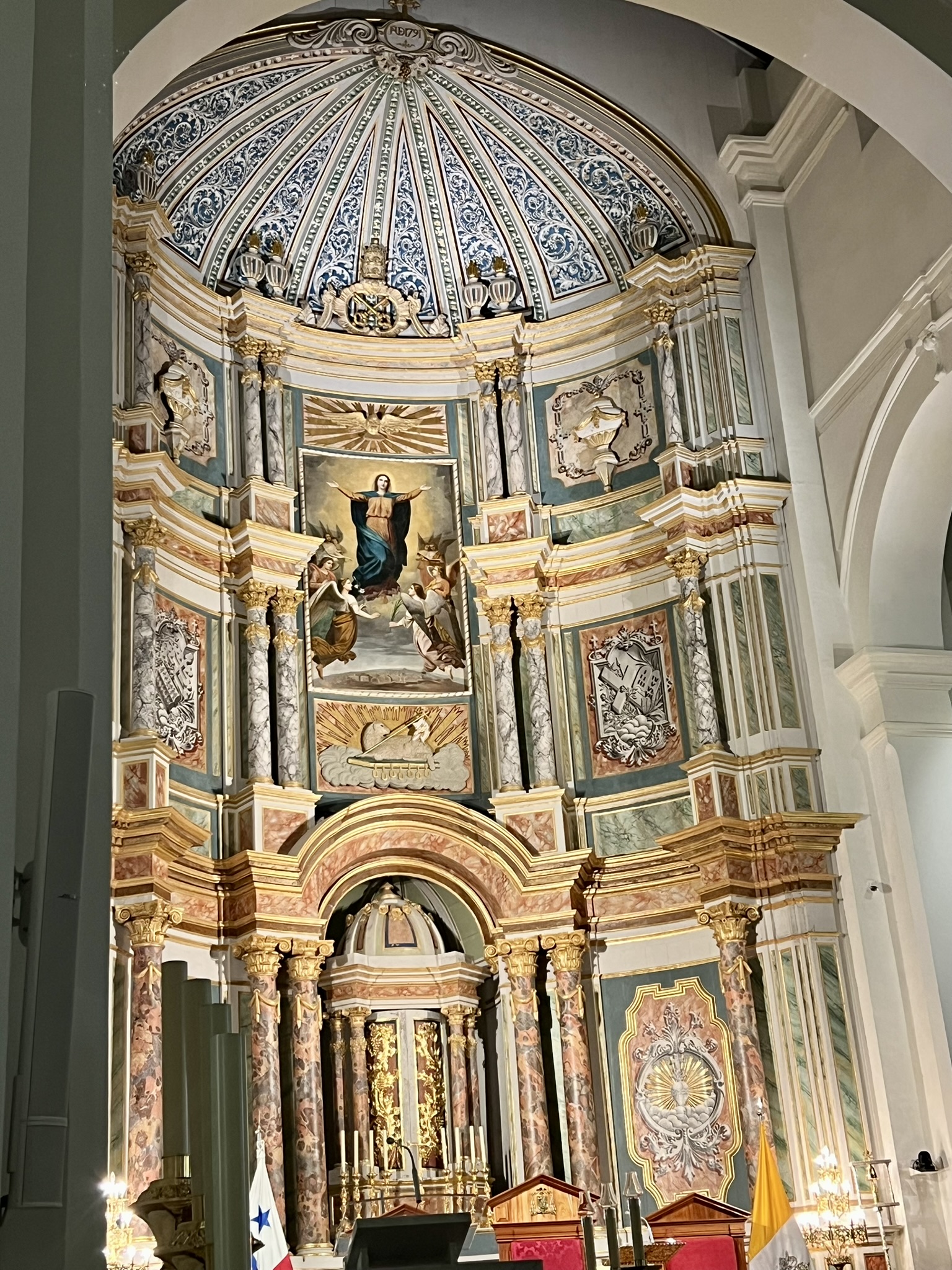
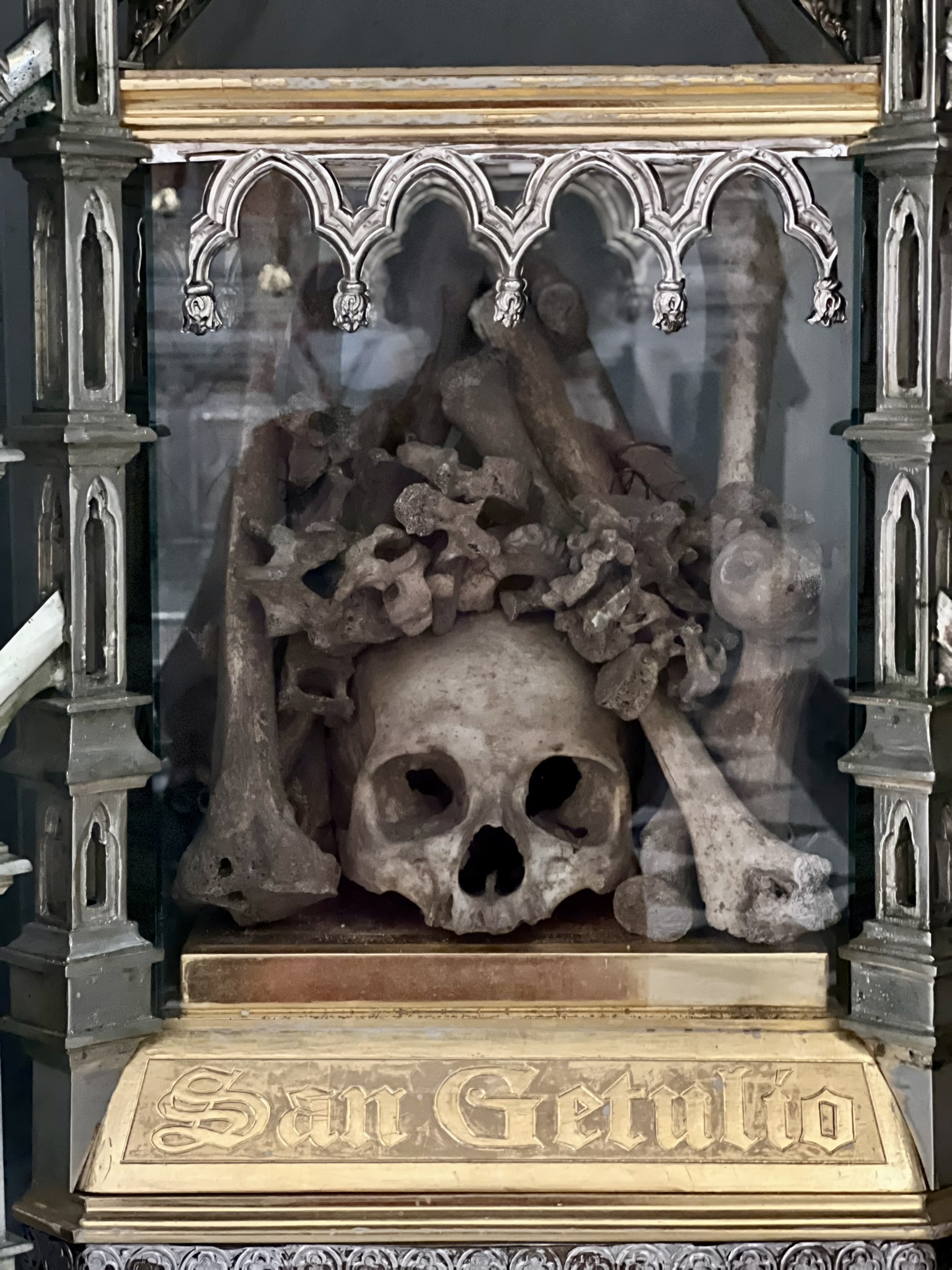
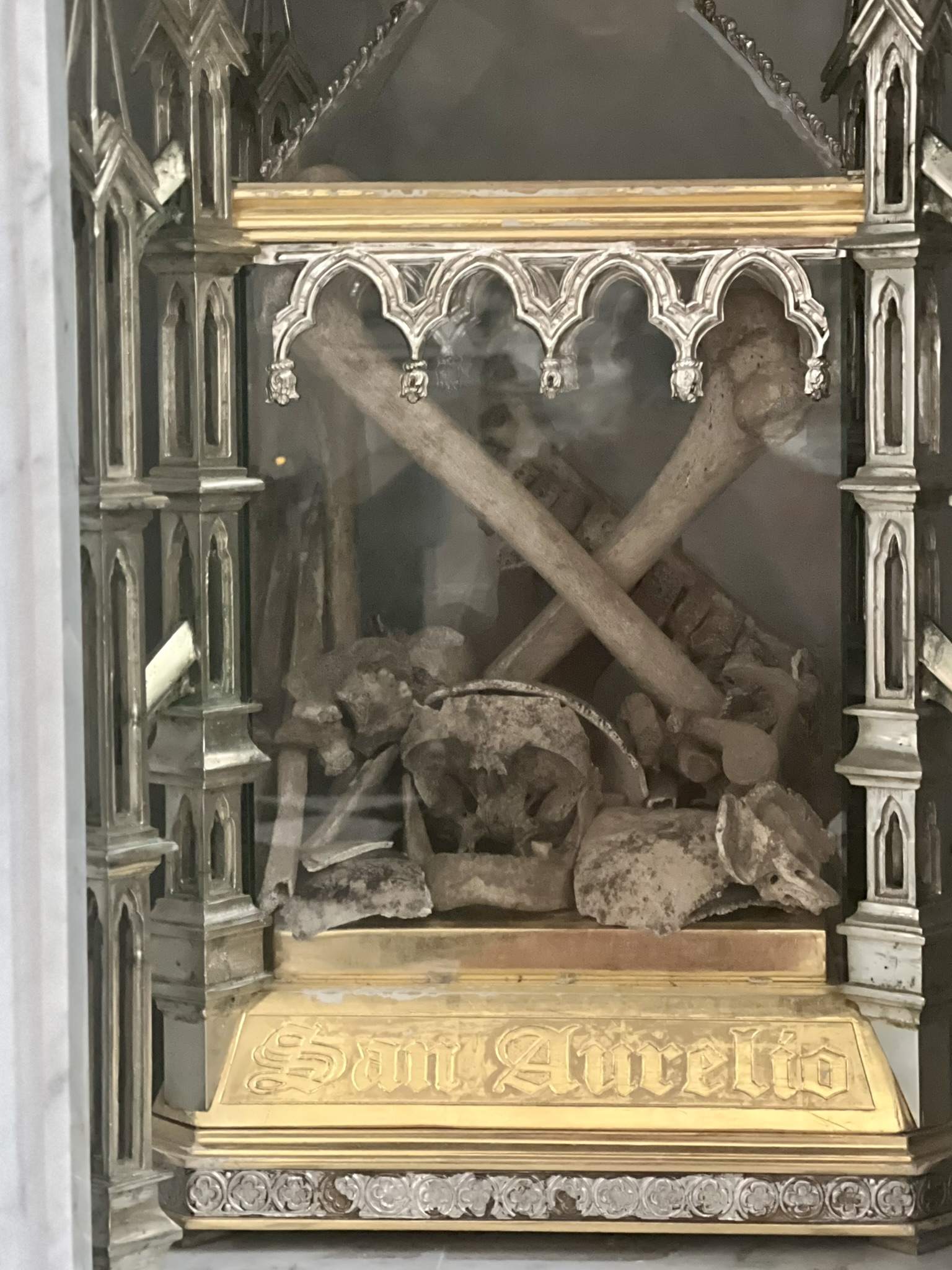
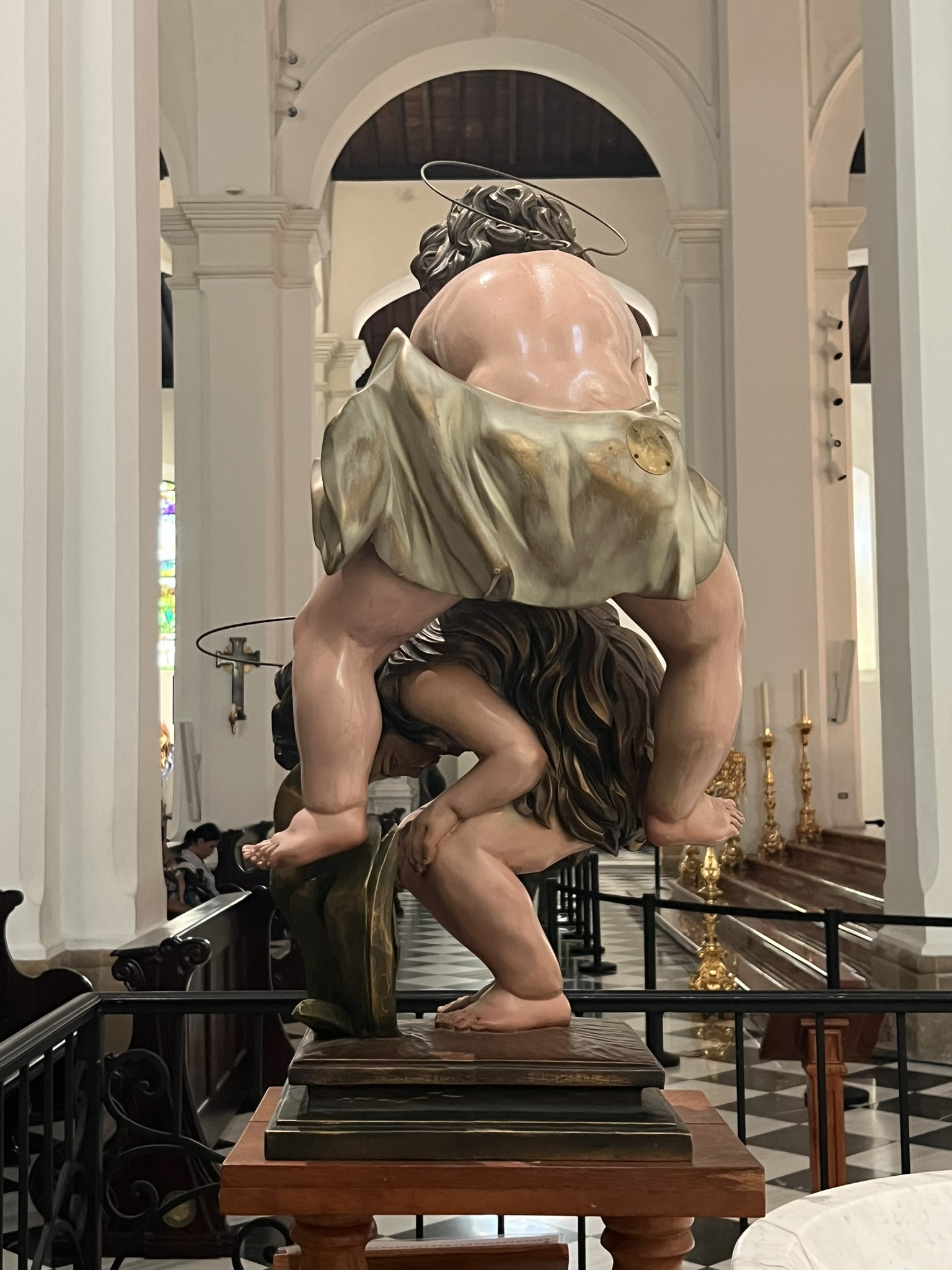
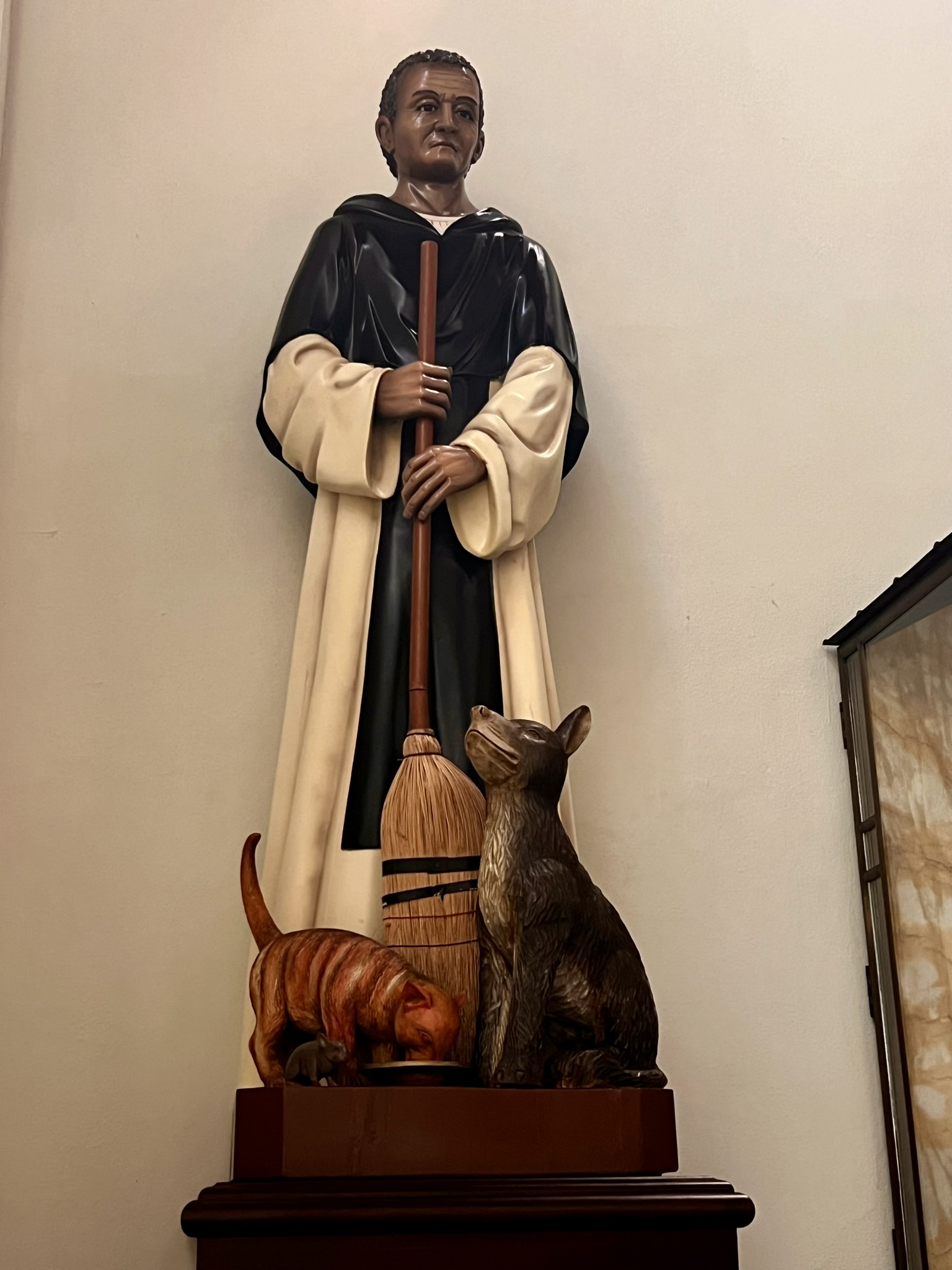
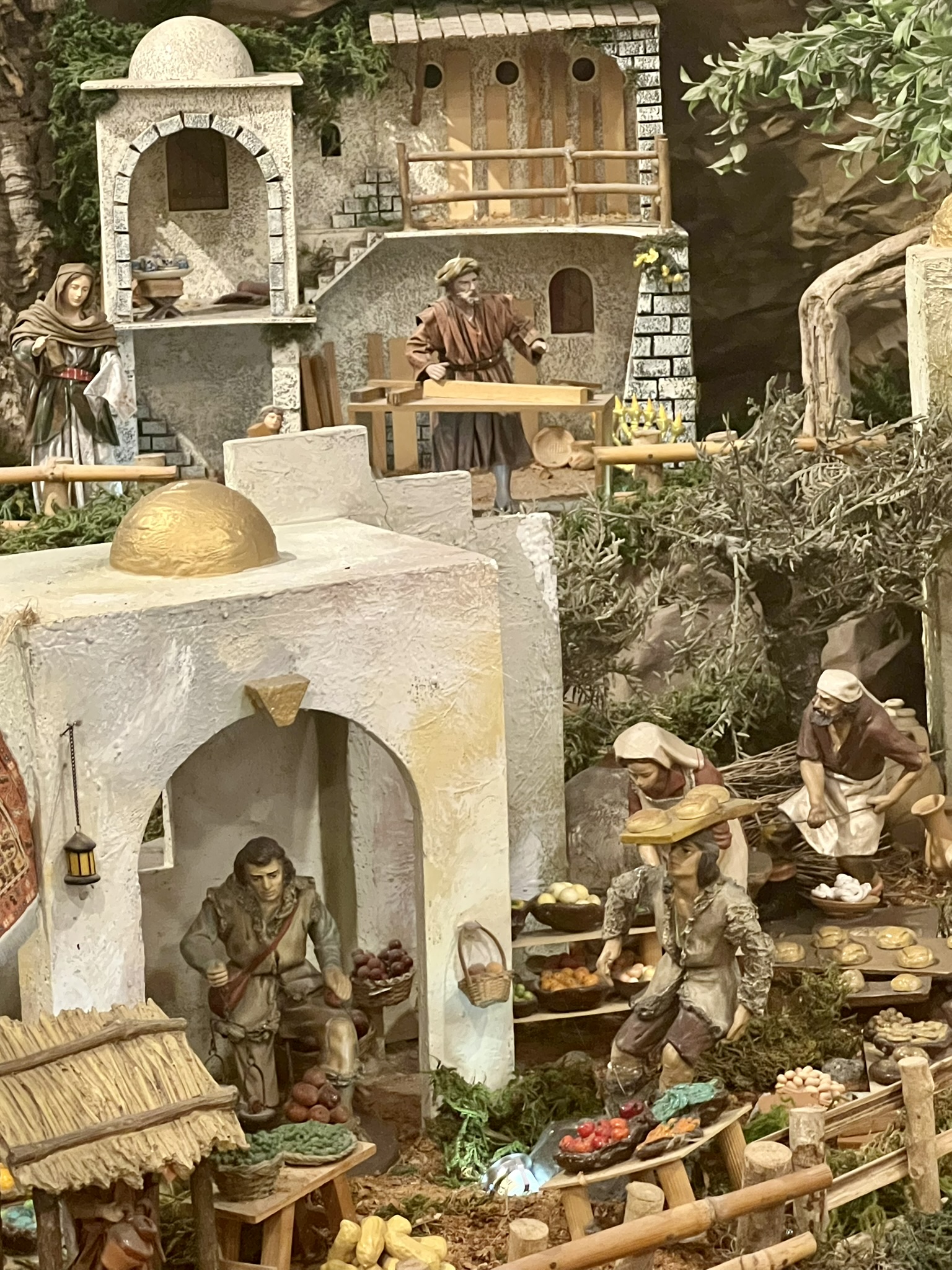
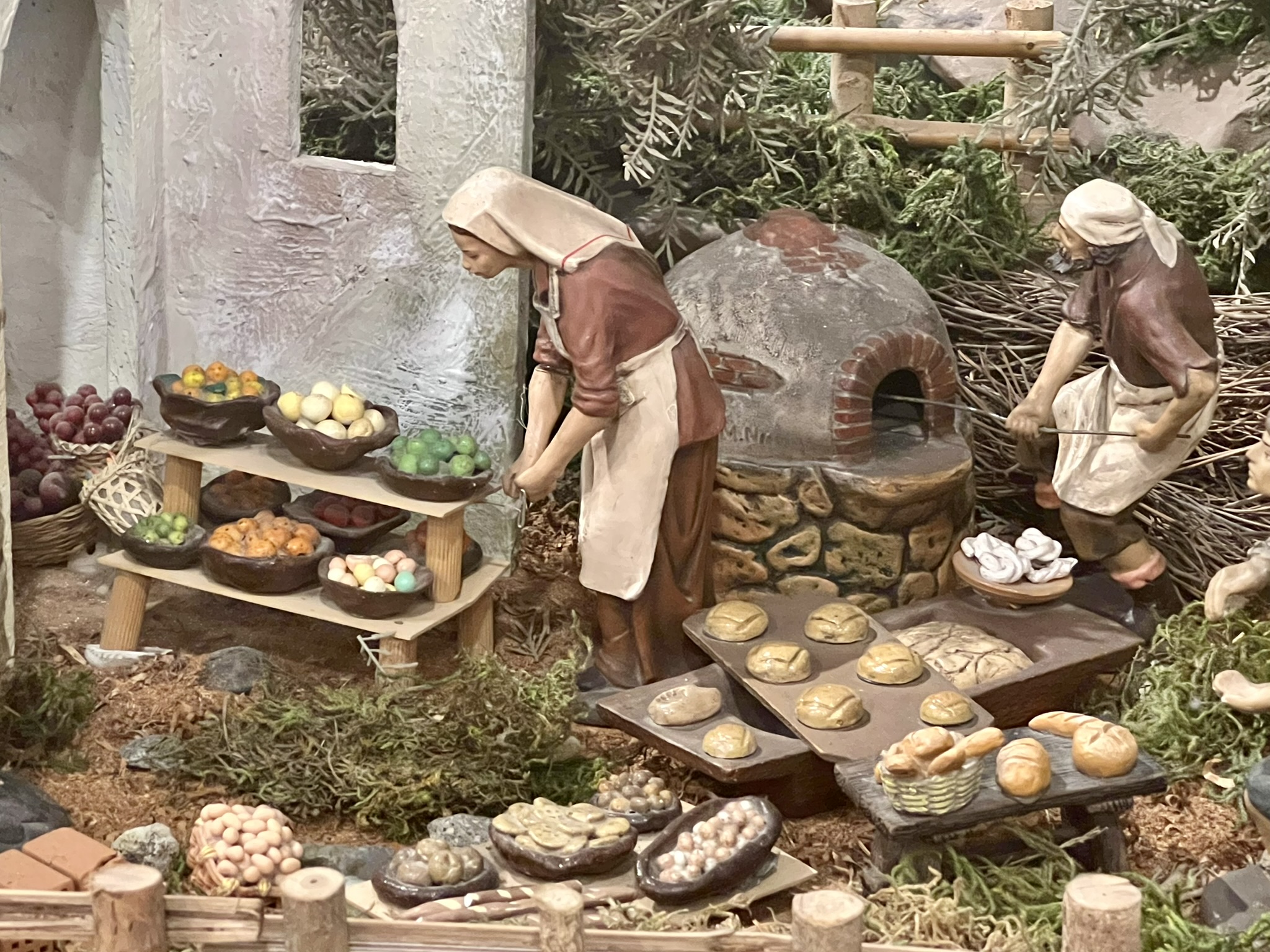
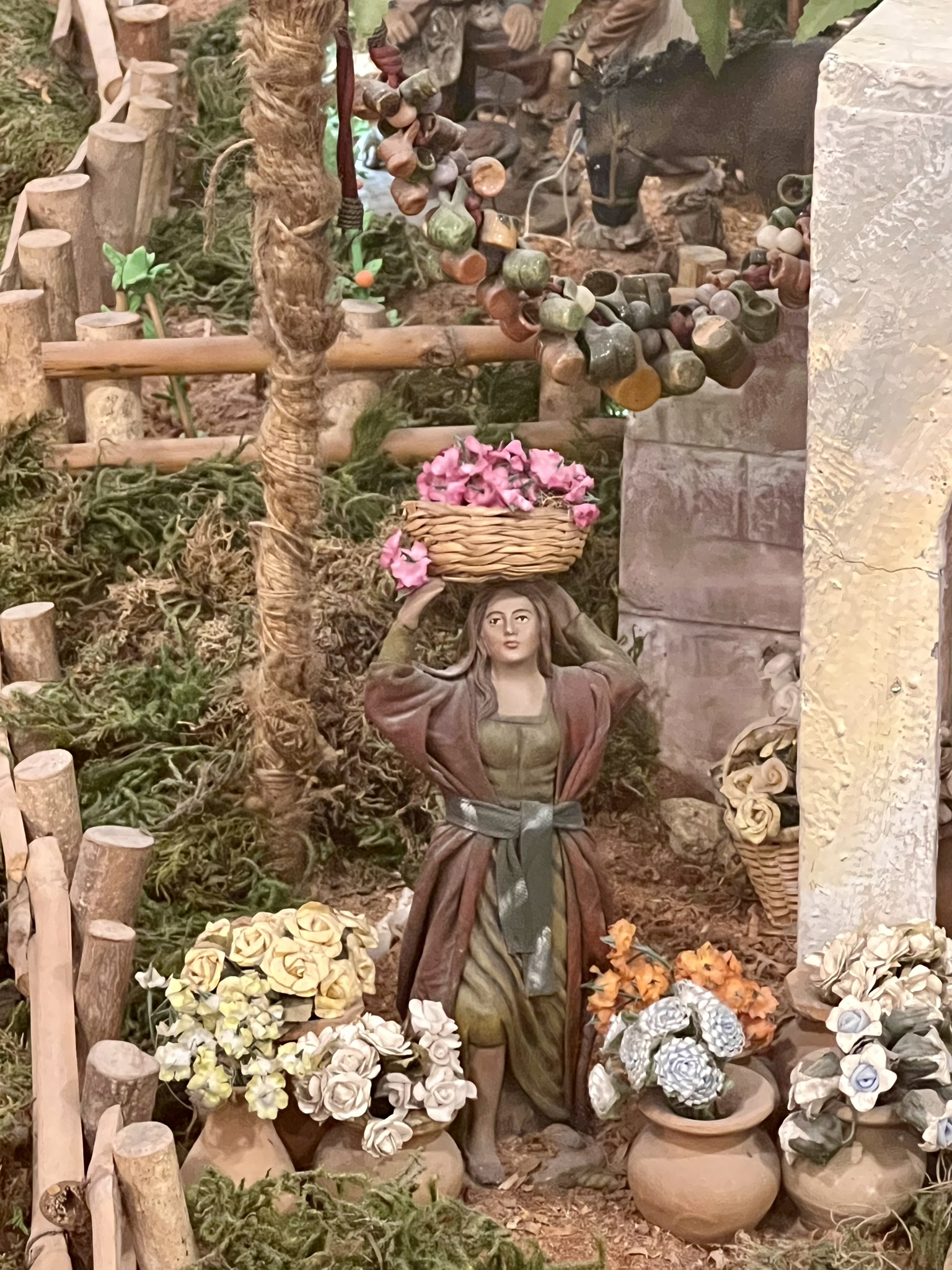
We also spent a day walking around Casco Viejo again, a lot of it focusing on the Iglesia de San José and its golden altar, artifacts, sculptures, and hidden gallery with the largest religious diorama I’ve ever seen. The church’s prime attraction is the golden altar and its colorful history. In particular, the story of the altar’s survival of pirate Henry Morgan’s sack of the city in 1671. By the time he arrived to loot the church, the friars had painted the altar with black oil, and they then cheekily asked the pirate for alms for its restoration. He offered a handful of coins, but also reputedly commented, “You’re better pirates than I am.”




Later that week, our crew for the crossing arrived unannounced one afternoon, and our first impressions were very positive. They were a young Norwegian couple; the woman had a lifetime of sailing experience, including a previous Pacific crossing, and her boyfriend had picked up a lot over his years with her. They were friendly and seemed flexible and mature. We all went out to dinner and chatted more about all that needed to be done, approximate timelines for completing things and leaving, and we welcomed them to move onto the boat the next afternoon.
The next morning while waiting for an Uber outside the marina office, I ran into a woman we’d known slightly from Shelter Bay, and I asked about her recent canal transit and her plans to continue on to Tahiti. She immediately launched into accounts of the terrible volunteer crew she’d had with her on her transit, with details of insubordination, outright ignoring her navigation orders, emptying a bottle of rum overnight despite specific injunctions against drinking on the transit, and even finding the man sleeping in her cabin rather than his own the second afternoon. Then she mentioned they were a young Norwegian couple.
Aawwww, shit.
I asked her to head down to the boat to relay this information to Peter, and when I got back from the supermarket, I found out that in addition to the horrors she’d relayed to me, Peter learned that our Pacific crossing crew, with whom we’d agreed months before would join us for the trip to the Marquesas, had signed a crew contract with this woman to go all the way to Tahiti. She had fired them only an hour or two before they’d shown up at our boat the day before.
They were the last people Peter wanted to spend four or more weeks on a boat in the middle of the ocean with, and when he texted the man to let him know we were firing them too, he received immediate confirmation he was making the right decision. First came the outraged, threat-laden and thoroughly vile texts from the man, only to be followed by promises of good behavior and enumerations of the vast skills we were missing out on by refusing to let them crew for us. This sociopathic vacillation went on for the better part of the week, and we both felt like the bullet we’d dodged was immense. But now, where to find last minute crew??
At this crucial moment, I had to get on a plane to Denver. Peter had crew announcements out on all the crew-finding websites and was getting bites from all over the world. But finding a couple with the flexibility to drop everything and come to Panama for a long crossing was tough. He already had the fourth crew, Joe, who was due to arrive the day after I left. Joe was former Navy from Hawaii with a ton of ocean experience, including teaching blue water sailing in the Navy. Handy, helpful, funny and skilled, Joe turned out to be a godsend. But landing that perfect couple? Looking near impossible.

Back in Denver, my dermatologist identified a basal cell carcinoma on my eyelid. The growth, which I’d thought was a stye, had been with me since February, and the alternate diagnosis made sense. A biopsy was next, and my jaw dropped when I learned that the soonest I could get an appointment for that was early September. Four months. Between this and my inability to get another long stay visa for French Polynesia any time soon, our plans for the coming year – for the coming six months! – were increasingly fraught with unexpected snags.
After days discussing the pros and cons, Peter finally called it and canceled the crossing. In addition to my having to return to Denver in September, he had also read increasingly dire forecasts for an unprecedented “Super El Niño” season that would last from Now until Next Year. Several friends had already had long, challenging crossings – including extended doldrums and unexpected refueling in the Galapagos, and in one case, a 45-day passage with no wind for weeks. The South Pacific was due to have early and prolonged cyclone activity, including in areas that were usually immune to them – like Panama generally doesn’t have hurricanes. We decided to spend the summer exploring the Pacific coast of Costa Rica and make the crossing in early spring of 2027 instead. I booked my return ticket to San José instead of Panama City, and Peter and Joe started their passage to Costa Rica.
My next move was to take my temporary passport out to the passport agency in Aurora. I got an appointment within a few days and arrived with expectations of a quick in and out, new permanent passport in hand. The young woman looked long and hard at her computer, and then at my passport, and then at me. She looked at her computer again, gave her head a little shake and then asked me to excuse her for a few minutes. She returned with her manager, who proceeded to gently tell me that I would not be getting another permanent passport anytime soon, definitely not before February, and possibly not even then.
Wait. Whaaa?
Yes, I’d lost three passports in three and a half years. (I’d found one of them again, but since I didn’t have it with me it didn’t improve my case.) I was no longer trustworthy and was going to have to prove that I could hang on to one. I could renew my current, temporary passport as early as February, but it was likely that I would only get another temporary passport rather than the 10-year variety.
Imagine the ramifications of that. First, most countries don’t let you in unless you have at least six months remaining before your passport expires. Second, no country will issue a visa for longer than the amount of time before your passport expires. Third, there was a very good chance my time on the boat in French Polynesia was going to be limited to three months at a time before having to leave again for three months. And do what?? And how was Peter going to move around the islands without me to crew? How easy is it to find crew in the middle of nowhere? It is one of the more depressing scenarios we’ve encountered, and while there is a chance I’ll manage to get a permanent passport in February, it’s not promising.

But after a couple of weeks of snuggling animals and reconnecting with my sister and friends in Denver I hauled myself and my massive duffel bag onto the plane bound for San José. Peter and Joe had made it as far as Puerto Jimenez, on the Osa Peninsula, and the day after I arrived, I picked up a rental car at the airport and drove the six hours to get there. The forecast was for a glorious summer of relaxed coastal cruising, and we were determined to make the best of it.
Up Next: June 2026 – the Pacific coast of Costa Rica