
THIS is cruising!
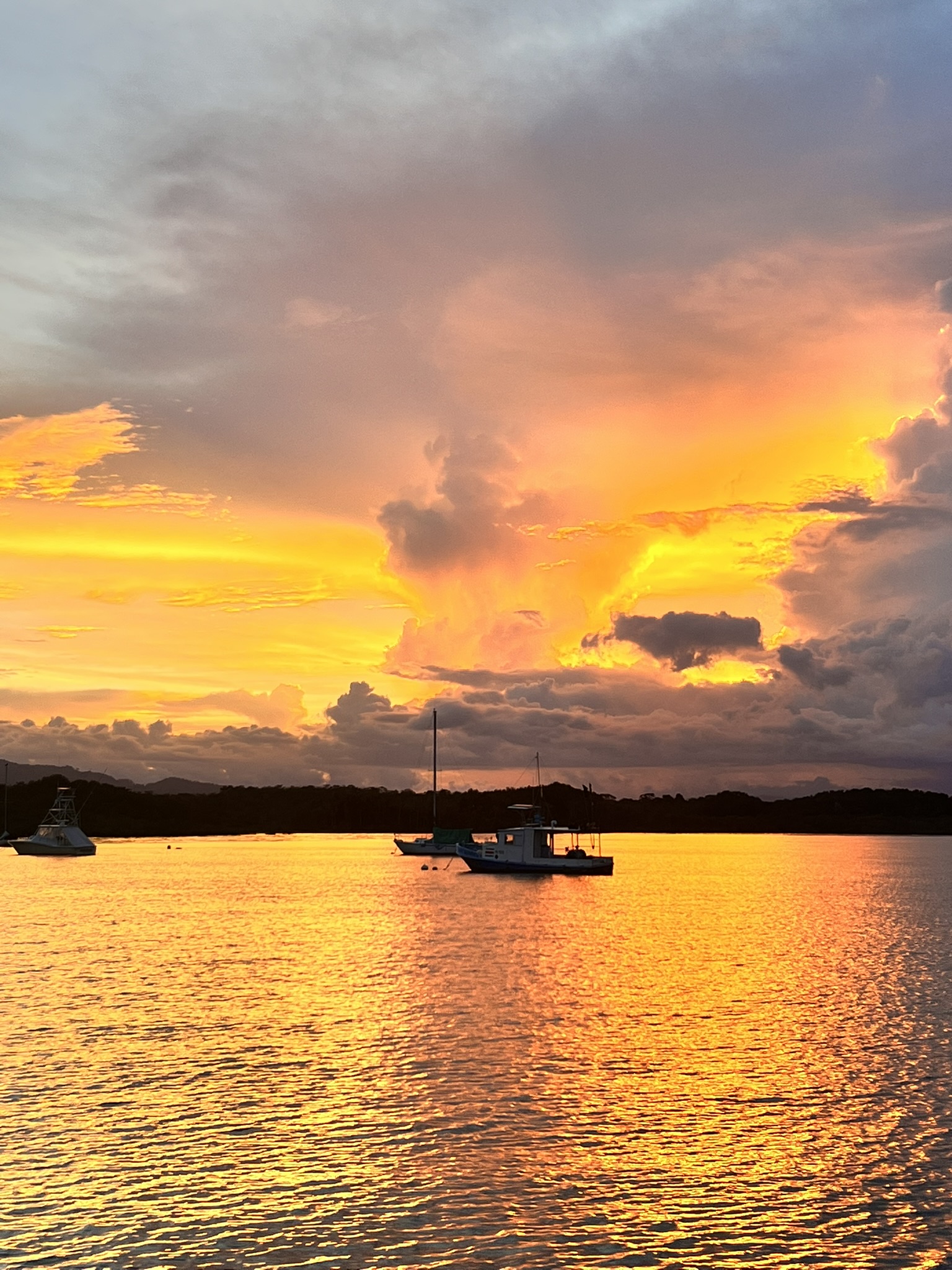
Puerto Jimenez, Costa Rica is a bustling little town with a tiny airstrip and a large commercial pier jutting into the Golfo Dulce. Regular ferries to and from Golfito (about 30 minutes across the Golfo by high horsepower panga), as well as frequent tourist boats setting out and returning from whale or dolphin watching or fishing expeditions add to the sense of constant motion. The town is a popular, if remote, tourist destination, and there are plenty of little hotels and restaurants and a few small resorts to take care of them all. There’s also ambiance aplenty. Enormous flocks of parakeets and parrots gather every evening in the mango trees along the beach, local kids flock to the ramp off the pier to swim and play, and the sun setting at the mouth of the Golfo casts golden light on everything.
Peter was in the Puerto Jimenez anchorage off the pier. Joe had caught a puddlejumper to San José earlier the day I arrived, and I found the boat to be in good shape for having been inhabited by just two men for the last month. It was all pretty benign aside from having to dig around in every drawer and cabinet to find my various kitchen tools every time I cooked. There might have been some dishwashing laxity too, but heck, they’d been busy. The boys had had a challenging road coming north, and Peter was as excited as I was to spend a couple of months taking the slow boat.
After some minor provisioning – after all, we had bilges full of food we’d thought we would eat in the Marquesas – we turned east and a couple of hours and dozens of dolphins later found a beautiful little anchorage at the farthest reach of the Golfo. Los Mogos was deserted – every other day or so a small fishing boat or two would come in and beach, its inhabitant would disappear into the rainforest, then eventually we would notice the boat was gone again. A large motor yacht anchored next to us for a brief couple of days, but its only effect was to diminish the quality of our nightly stargazing. However, noforeignland reviews included credible reports of crocodiles, so I didn’t put a toe in when Peter risked his life jumping in every morning. (This pattern continued all summer.)
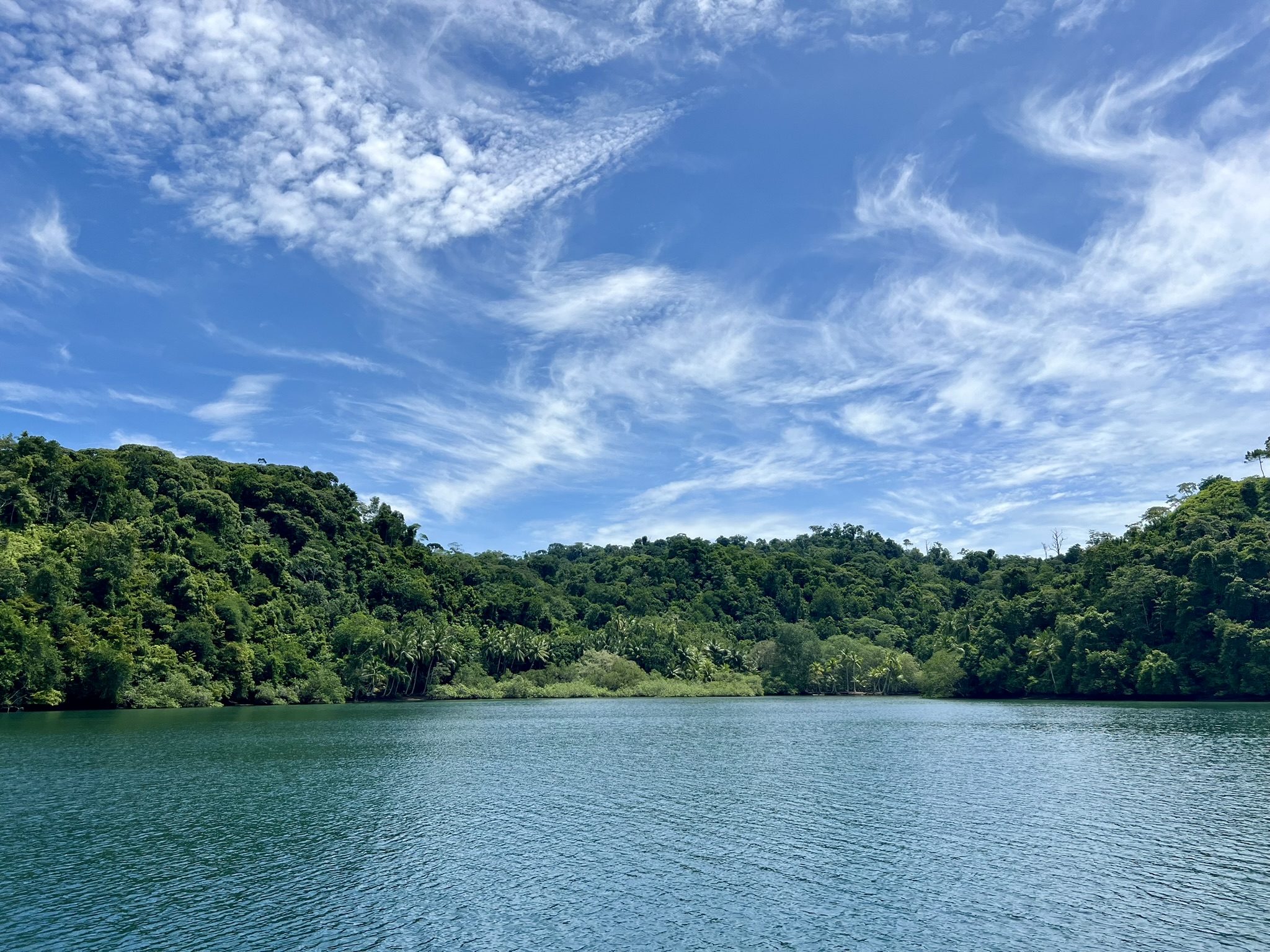
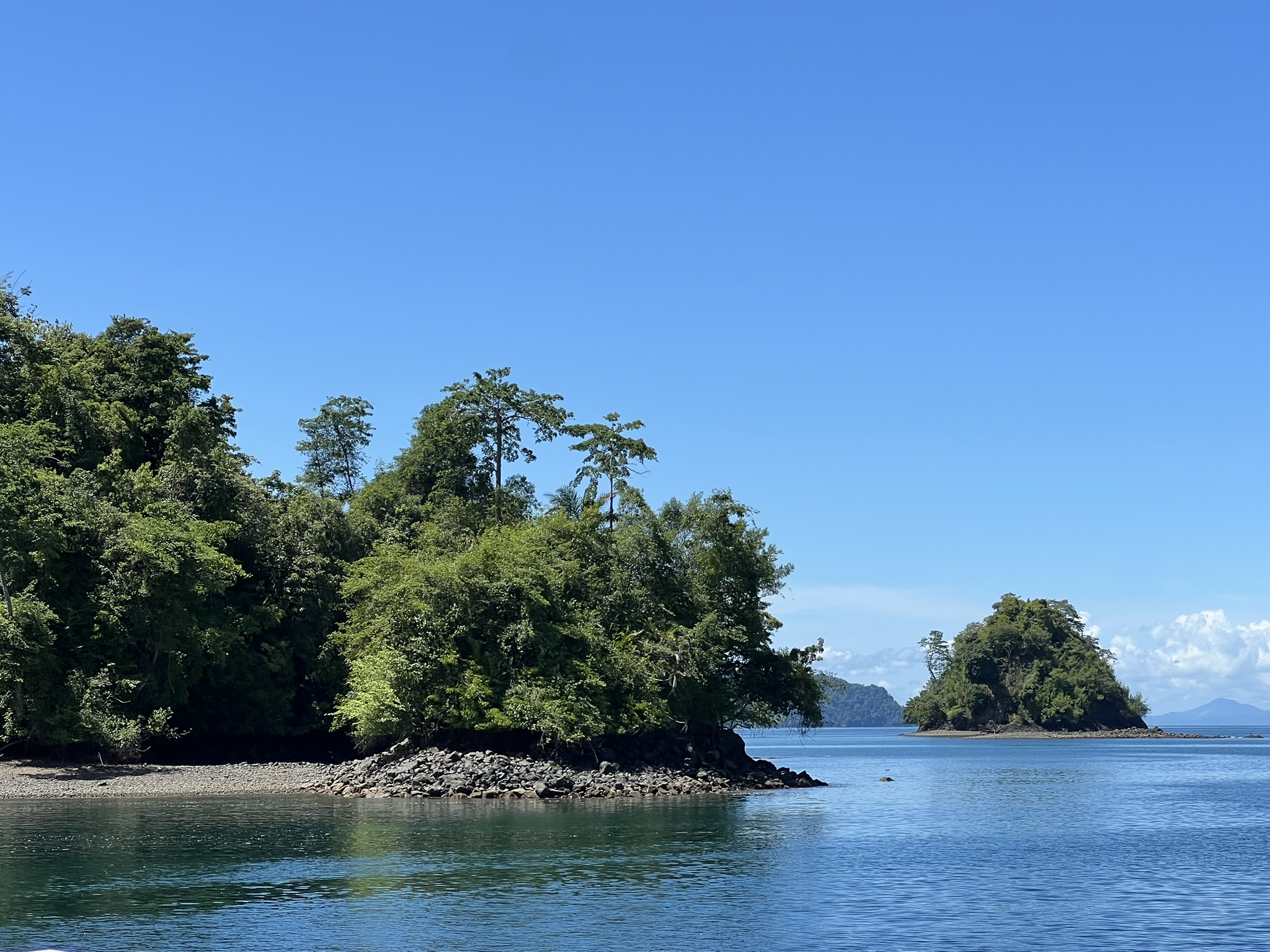
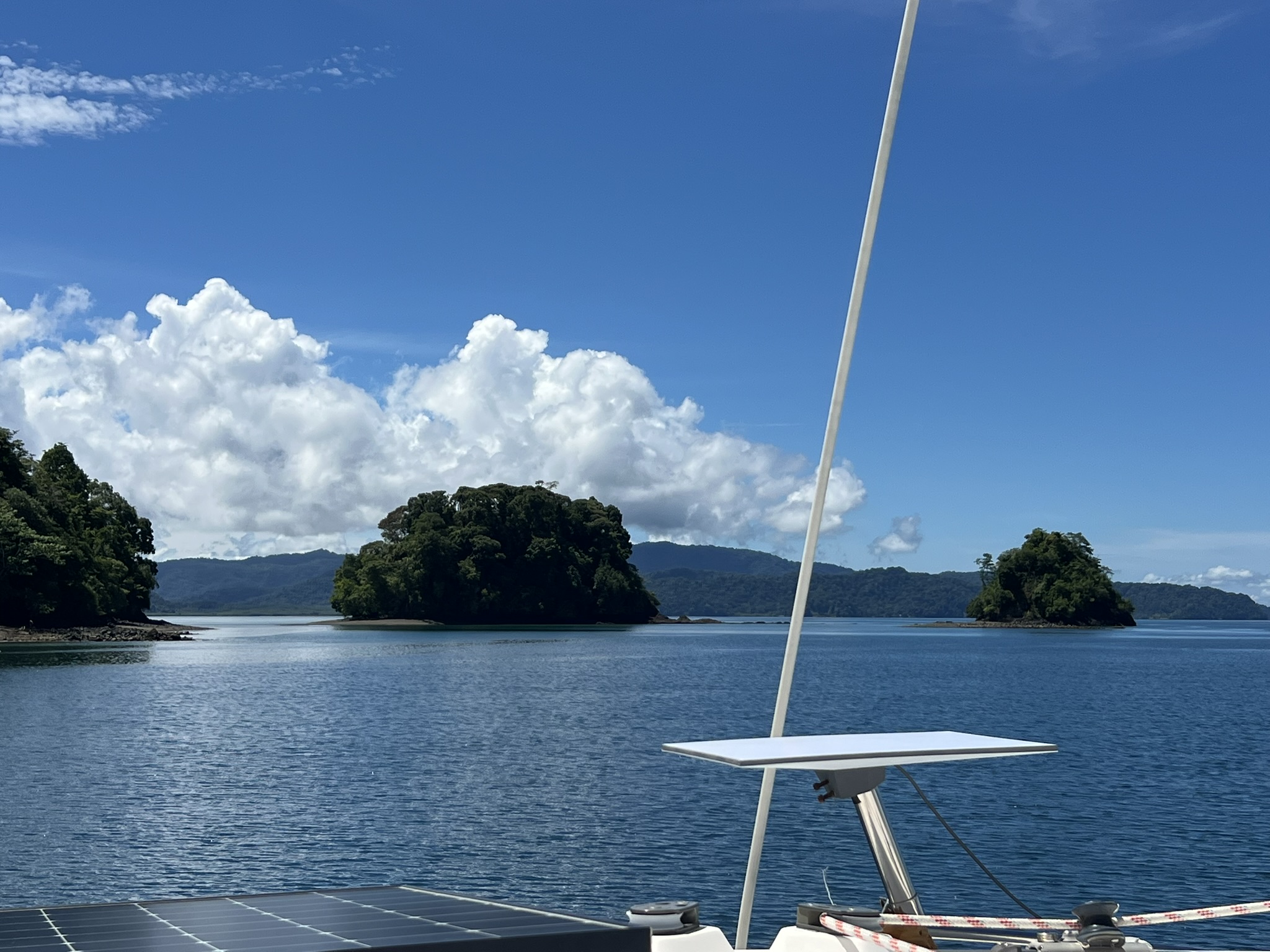

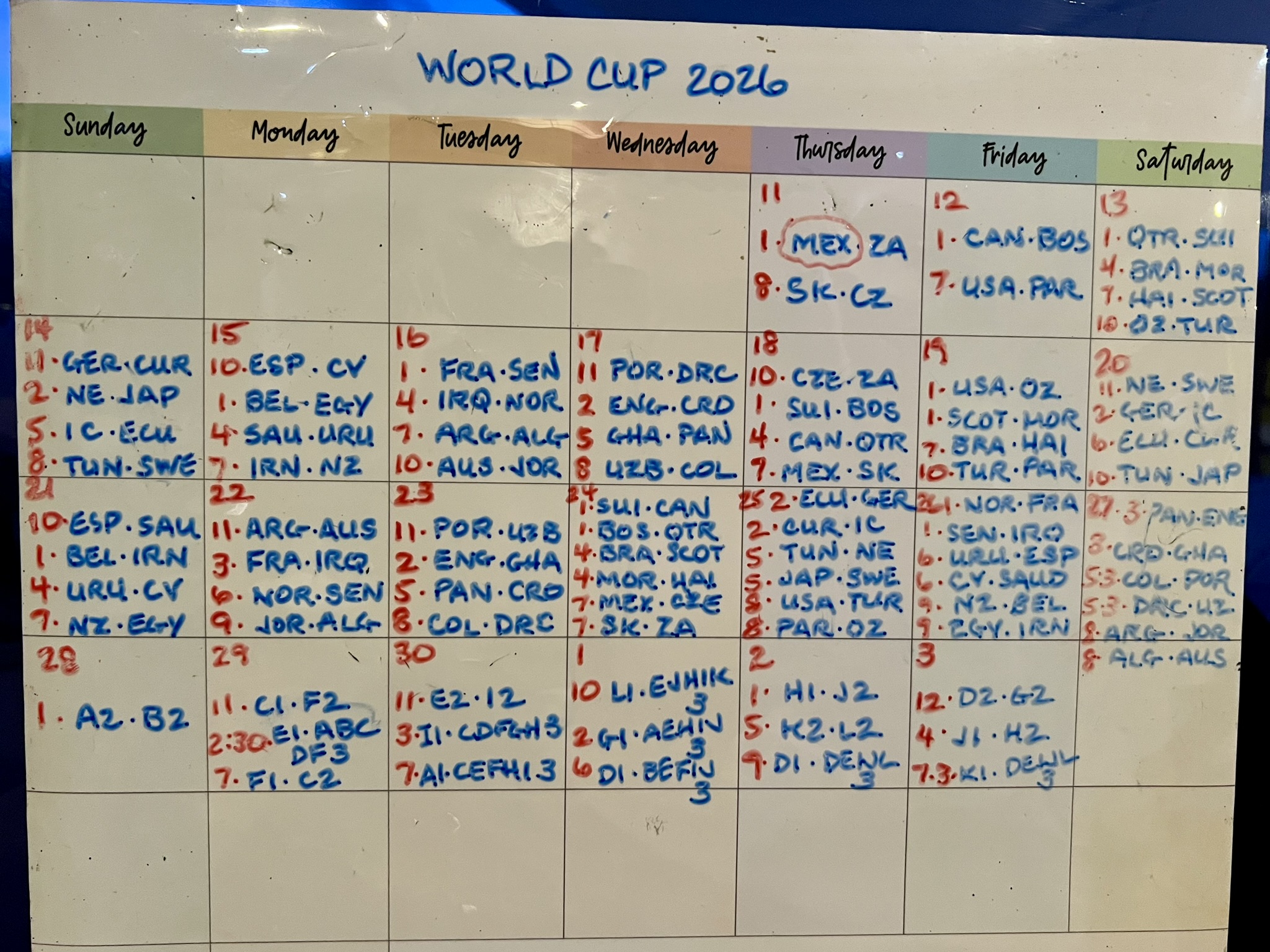
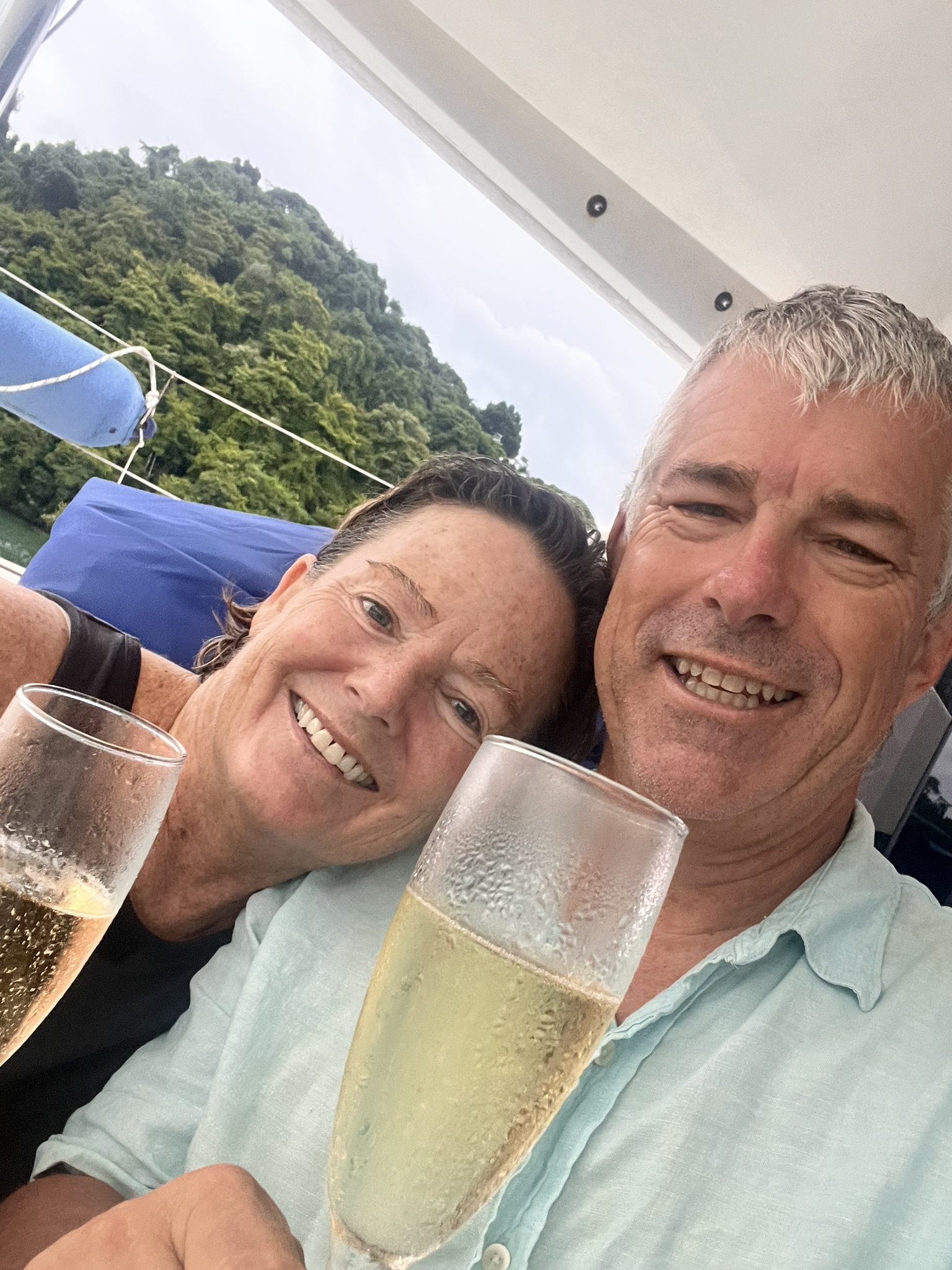
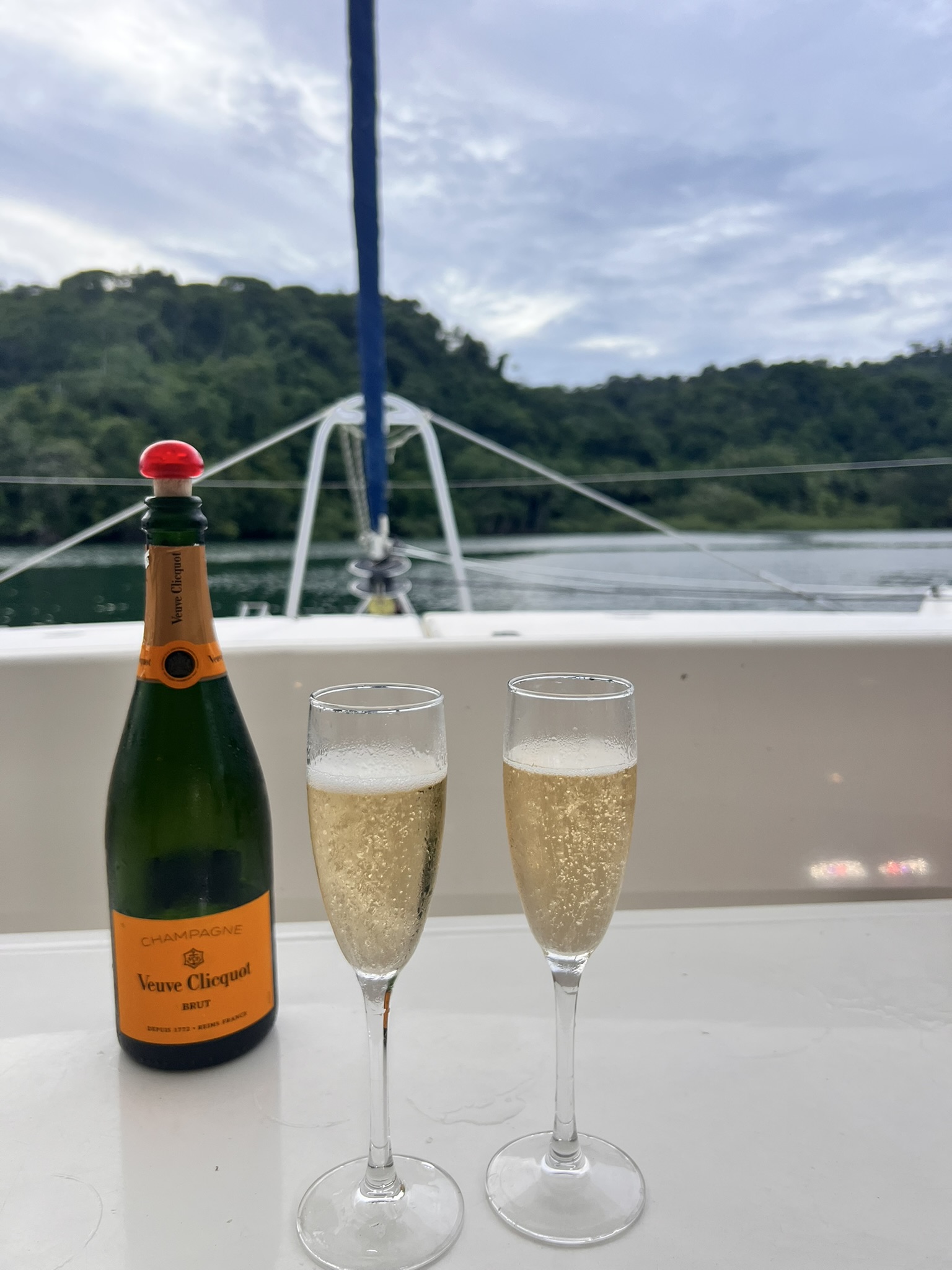
These were quiet, slow days. When Peter wasn’t working, he was fiddling with his drone or puttering around the boat. My days were dictated entirely by the World Cup schedule, with occasional breaks for cooking. It was lovely to be able to whoop and holler to my heart’s content and know I wasn’t bothering nearby boats or neighbors. And our 10th anniversary had fallen during my travels, so we took the time to celebrate simply, if properly. (Veuve has always been our go-to for big occasions.) Honey, let’s go to Costa Rica for our anniversary!

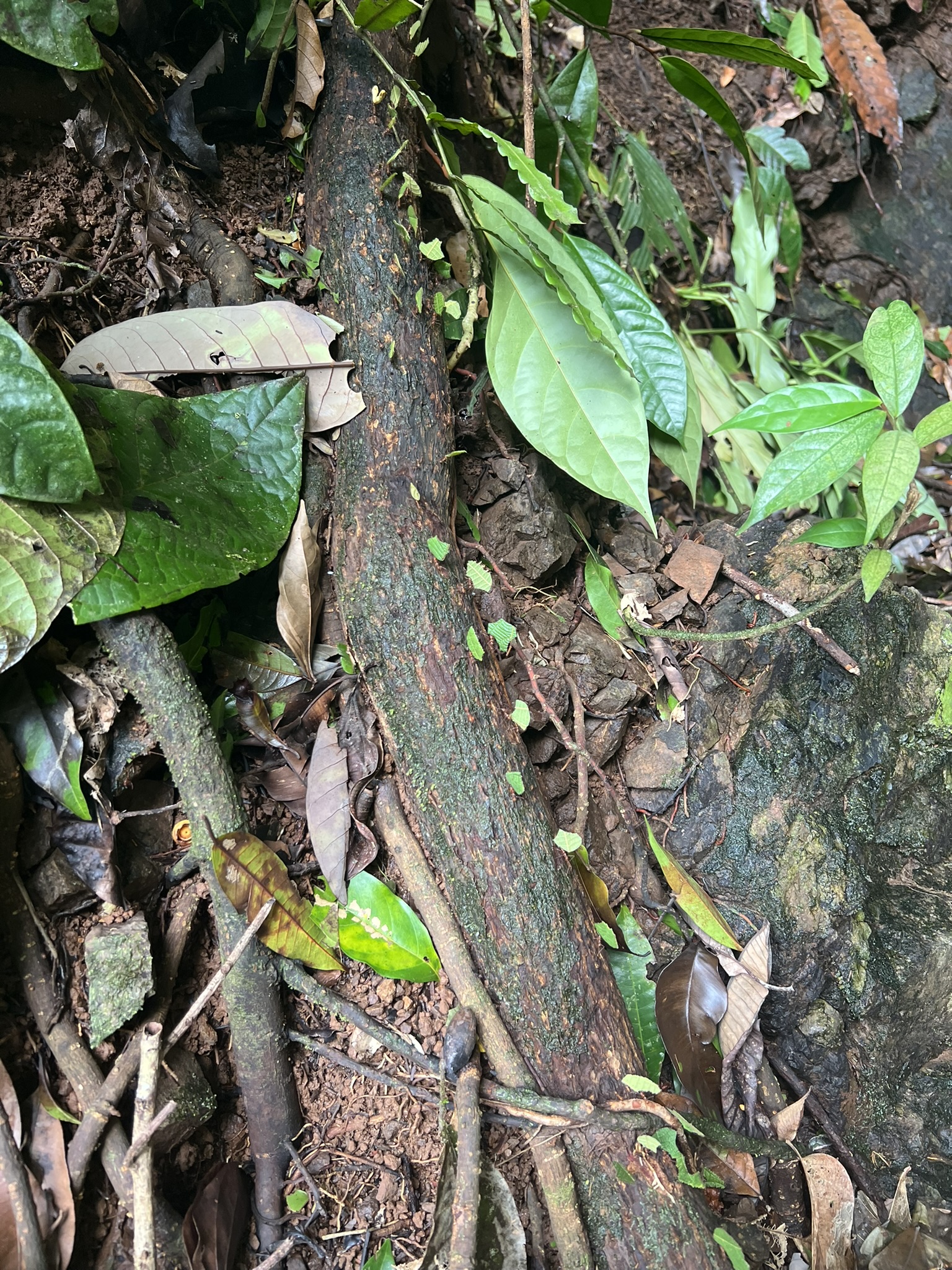
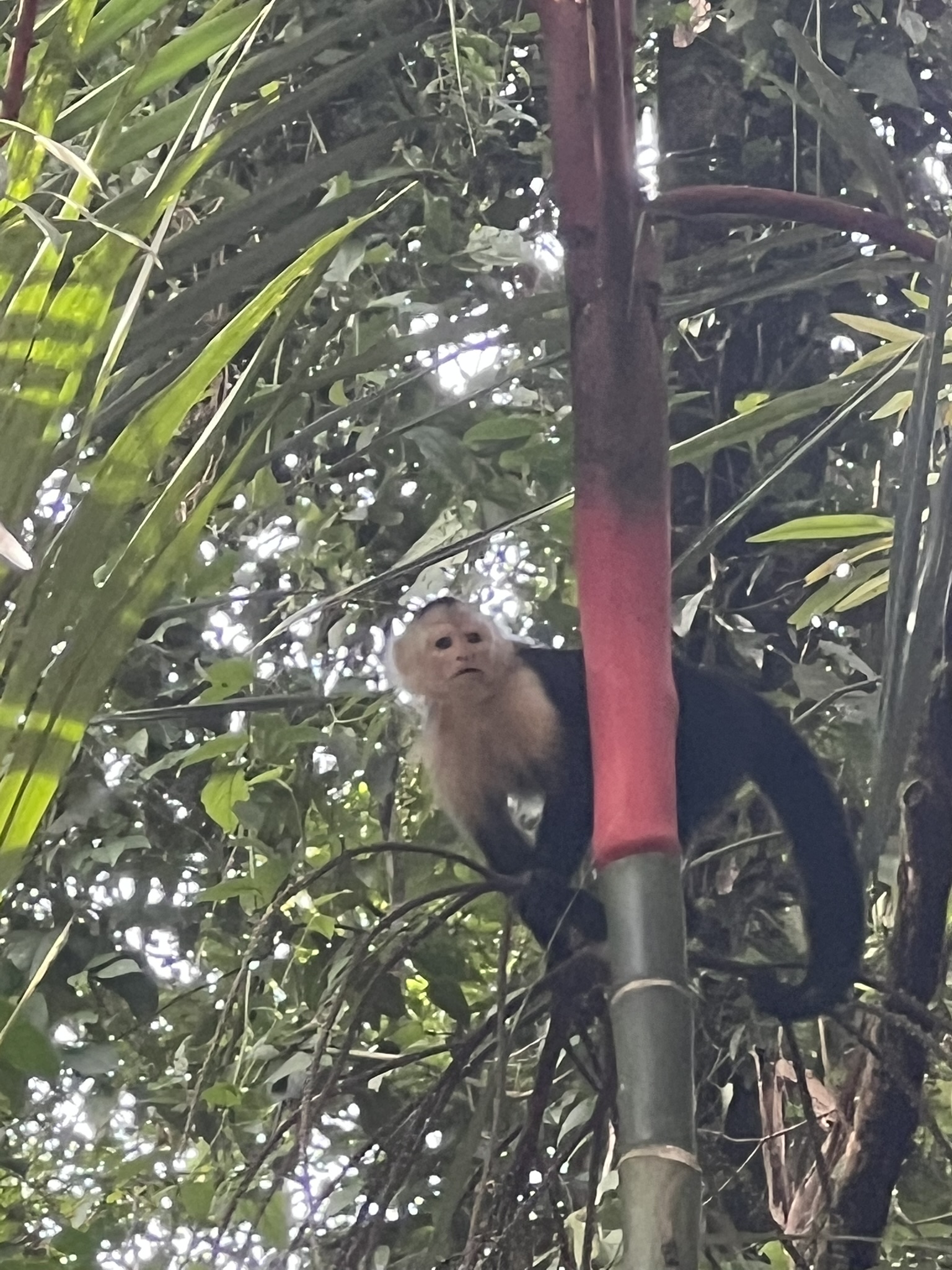
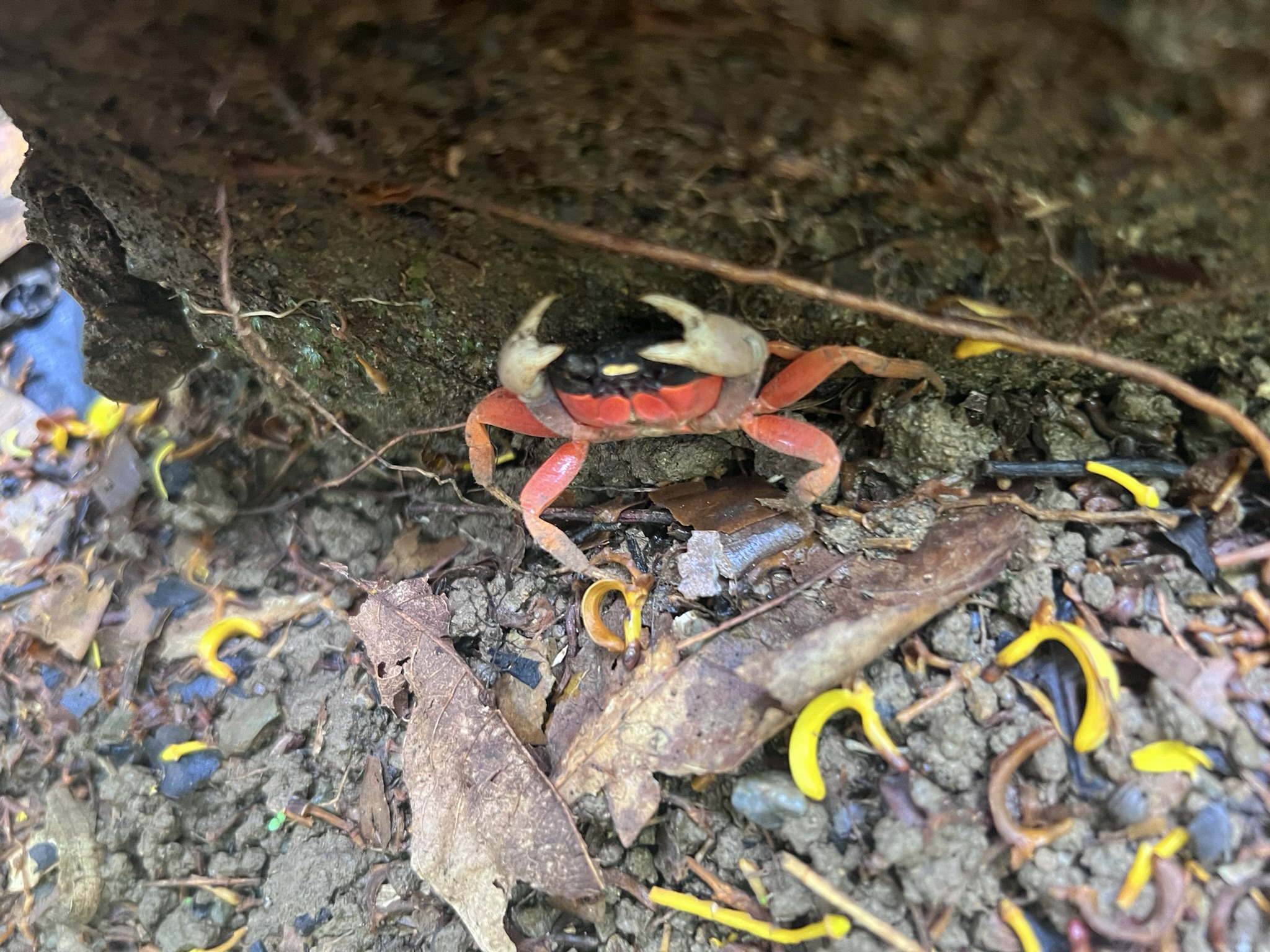
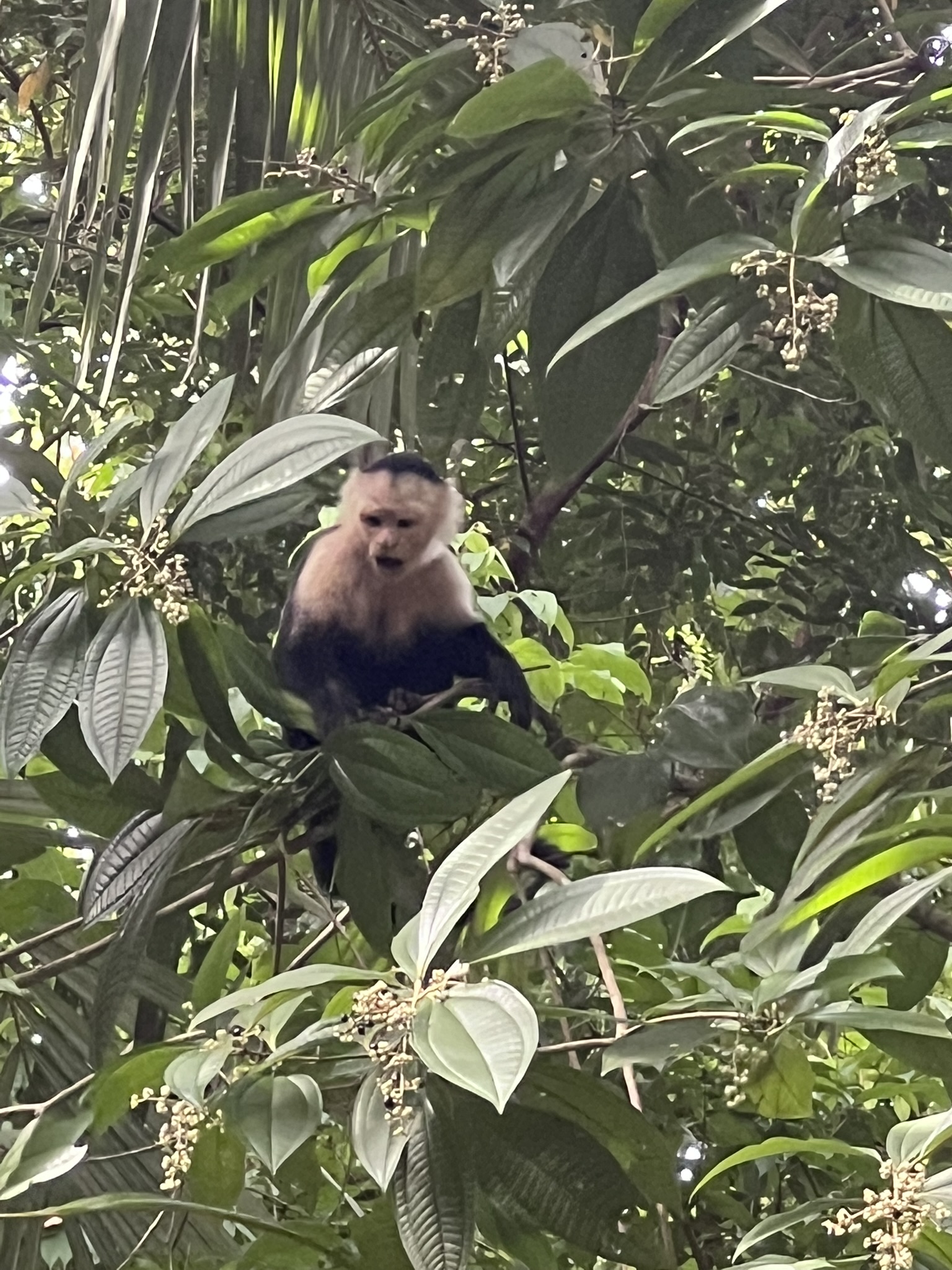
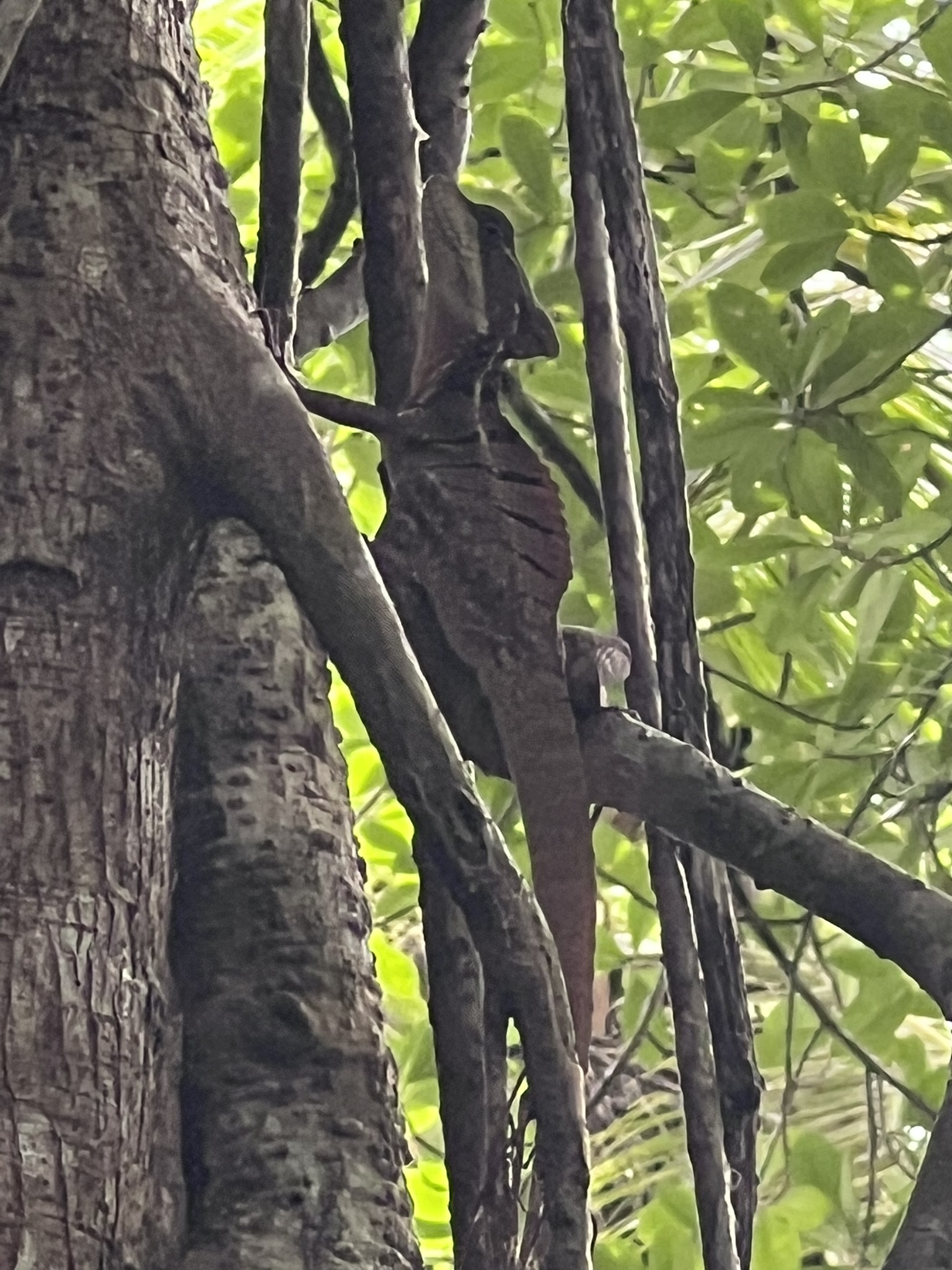
A couple of weeks later we decided it was time to move on, and we stopped in Golfito for a little more provisioning (at this point “provisioning” was code for beer, and maybe some fresh fruit and veg) and a diesel stop. The next morning, we were on our way north to Drake’s Bay, a small town at one end of the Corcovado National Park. Corcovado is a massive park that dominates the Osa Peninsula, and its renown is thoroughly justified. With over 5% of the world’s biodiversity in its boundaries, it is a birdwatching, hiking, wildlife viewing paradise – and that’s just what we did. Others do boat tours to various beaches, or for marine mammal watching, some hike to remote waterfalls and swim in the streams, and others just rent a room in one of the lodges and sit on the beach. There’s something for everyone.
One of the peculiarities of Costa Rica – and to a lesser extent, Panamá, is that there are very few docks on the coast built for picking up or dropping off people or goods. The pier at Puerto Jimenez, and the smaller structure in Golfito, are rarities in the areas we sailed, and it made getting to land, securing the dinghy, and coping with the big tide swings challenging. In Osa the tourist boats meet their clients in the surf by backing the boat towards the beach. The soaked clients climb in over the stern transom and in an instant the boat accelerates away, often bashing through large waves. If getting your errands done means you have to leave your dinghy on the beach it’s critical to know whether tide is coming in or going out and then time your outing to coincide with your ability to both secure the boat and get it back in the water when you return.
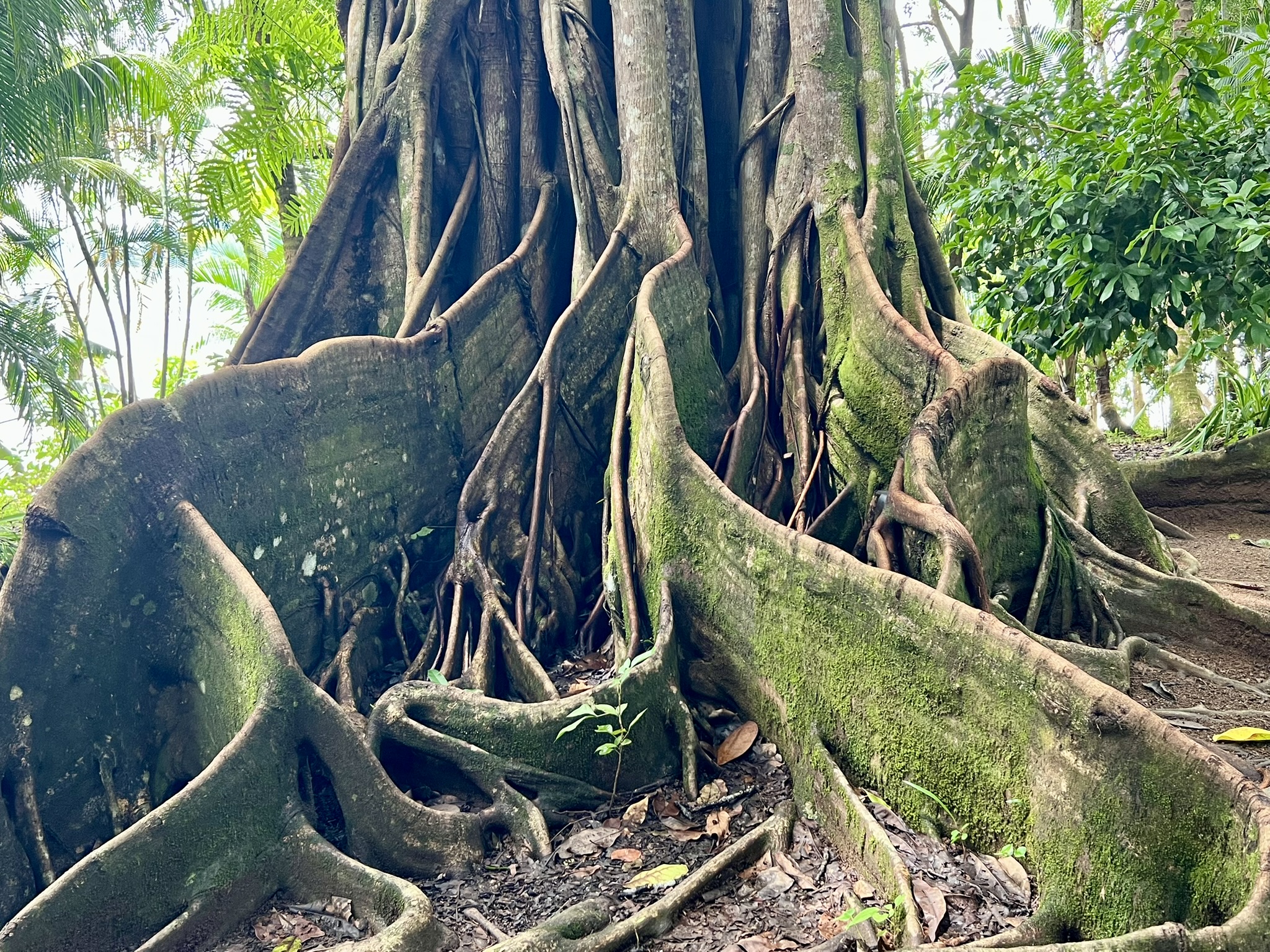

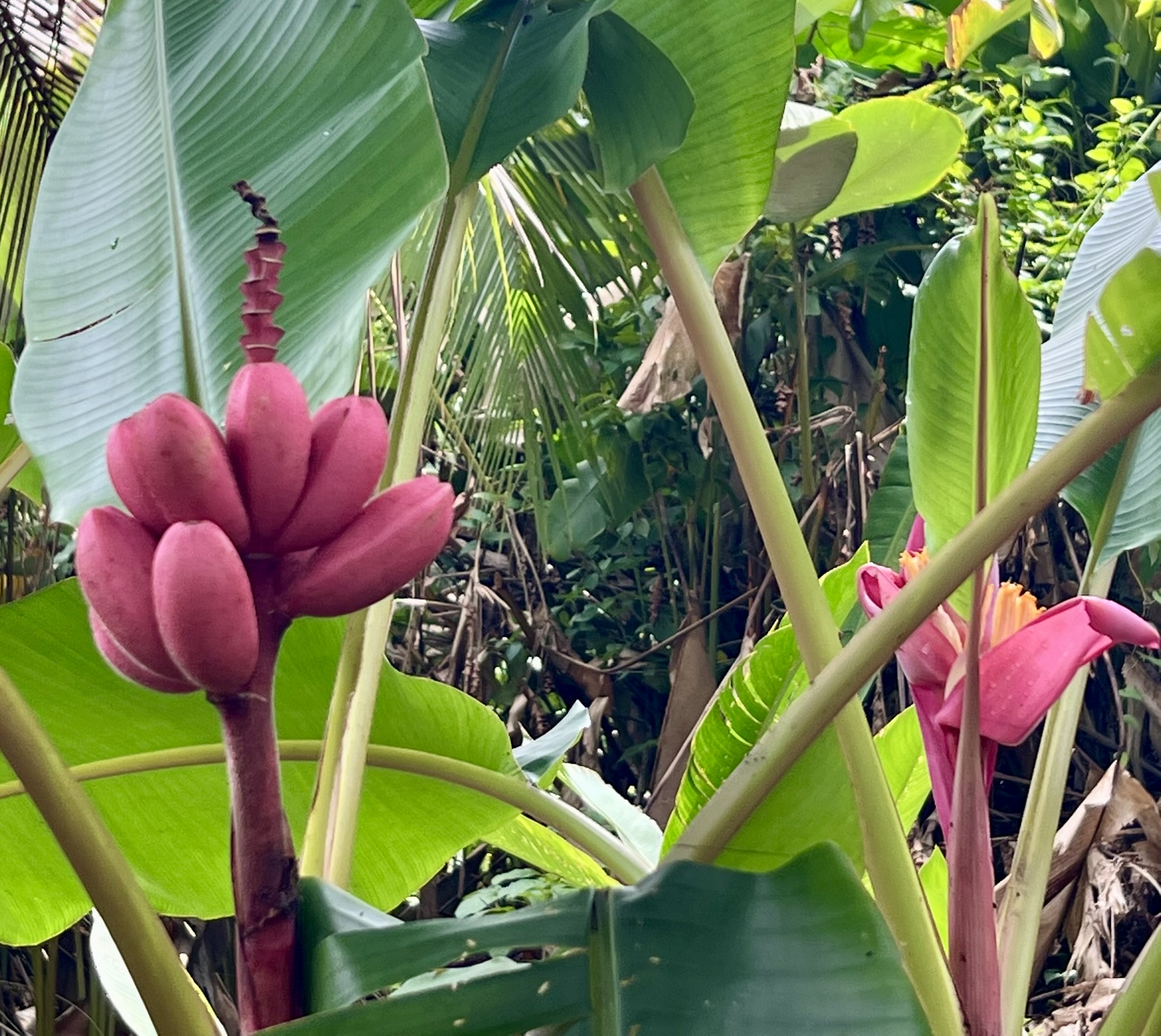
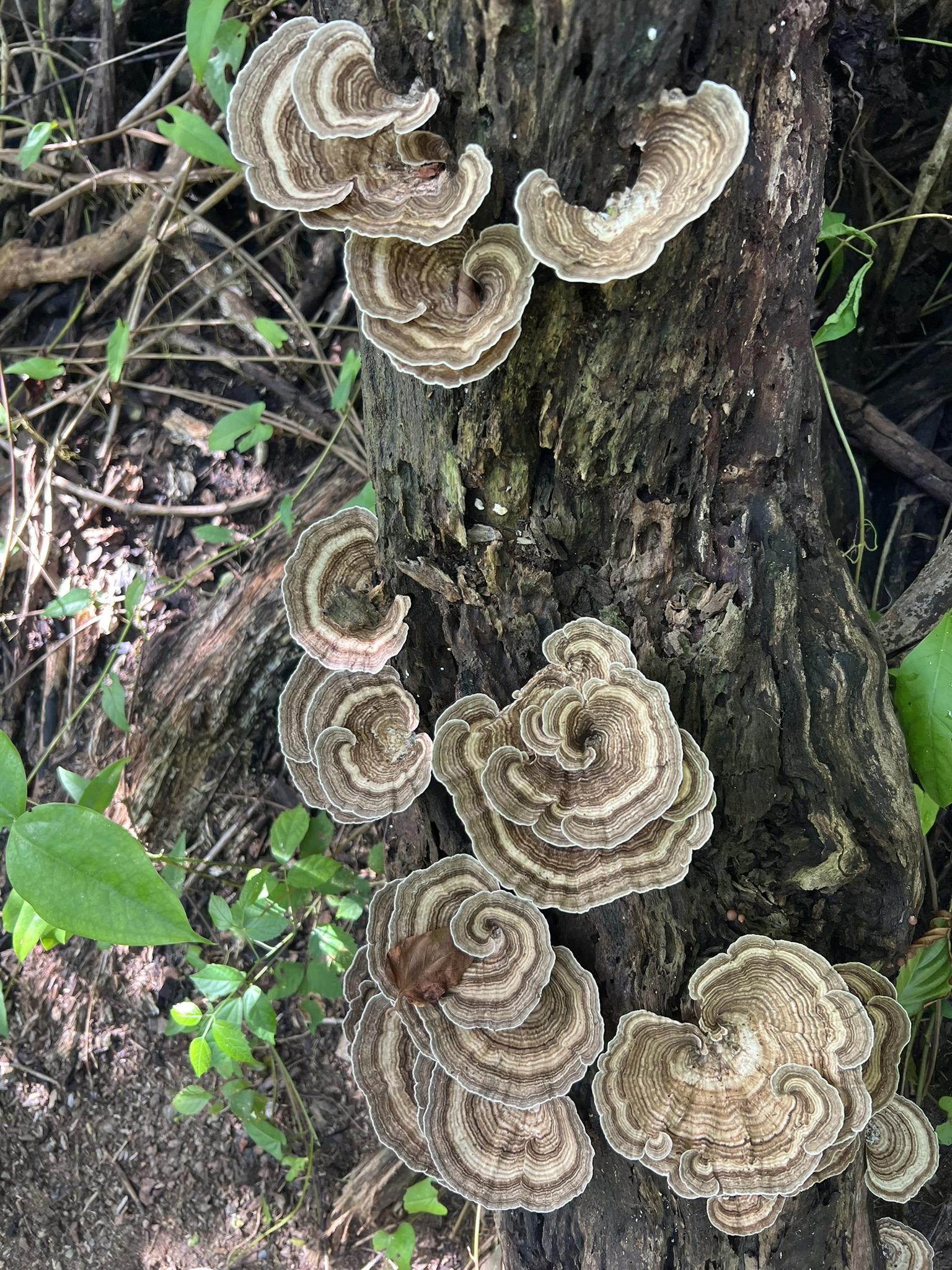
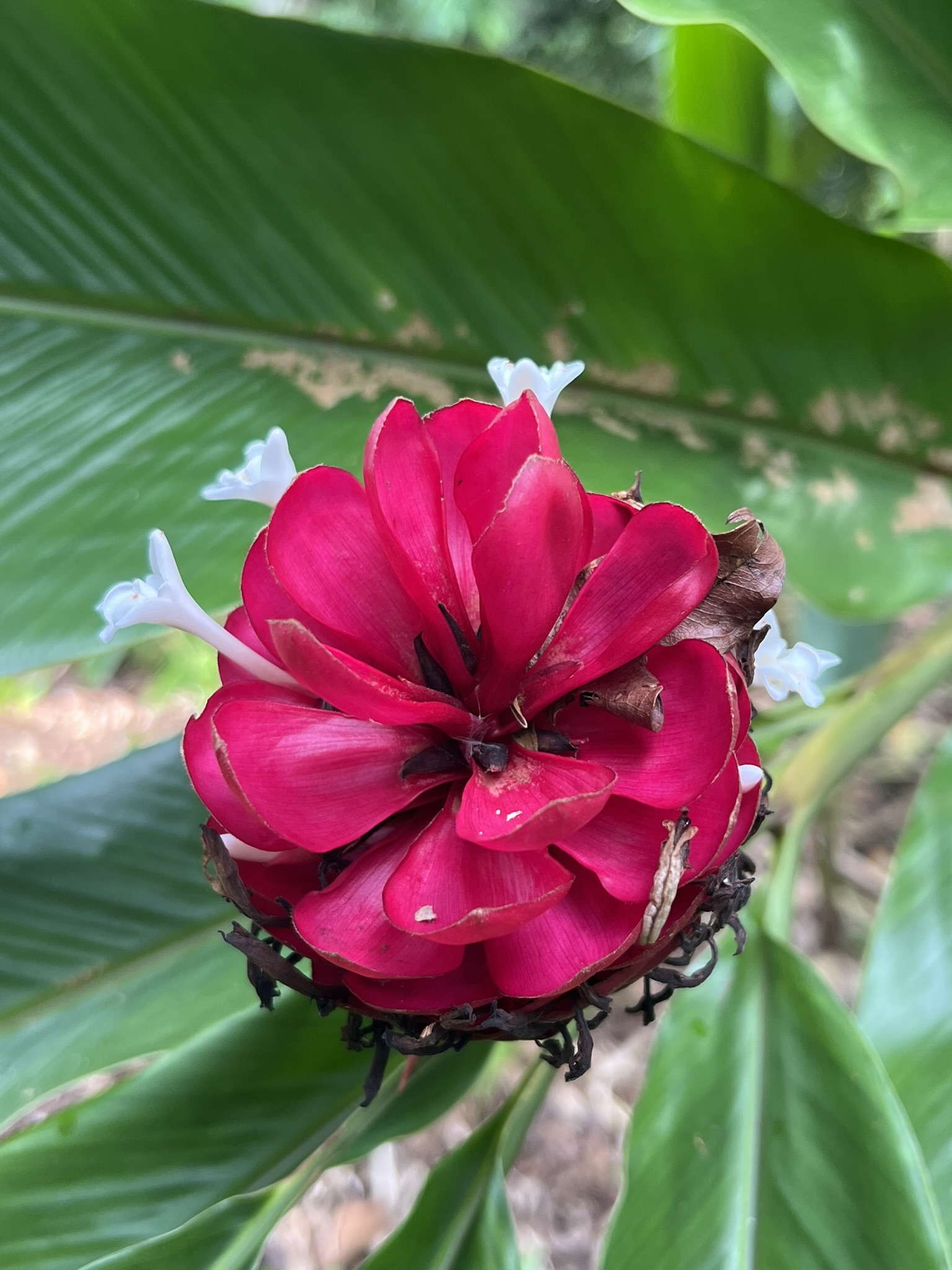
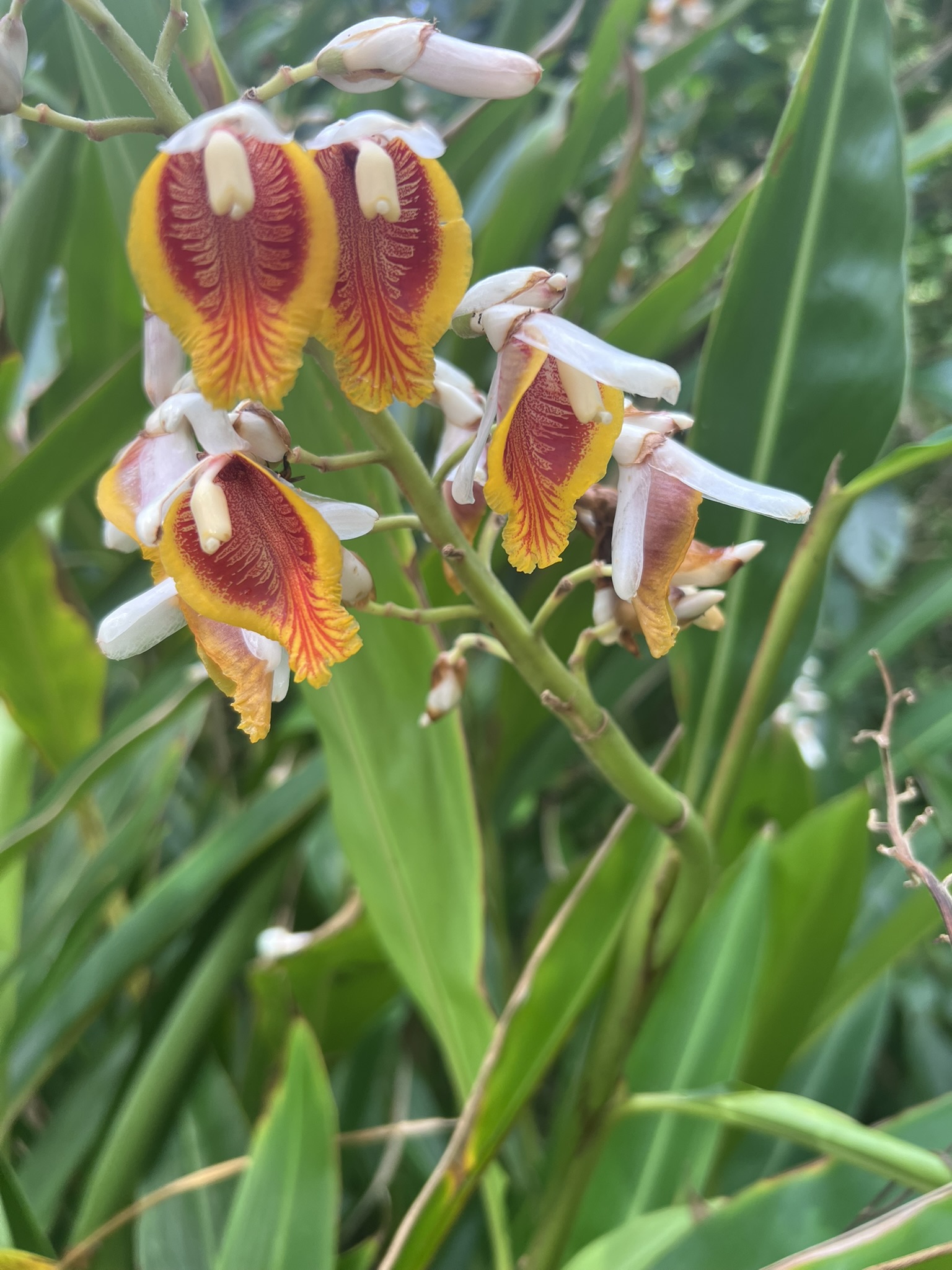
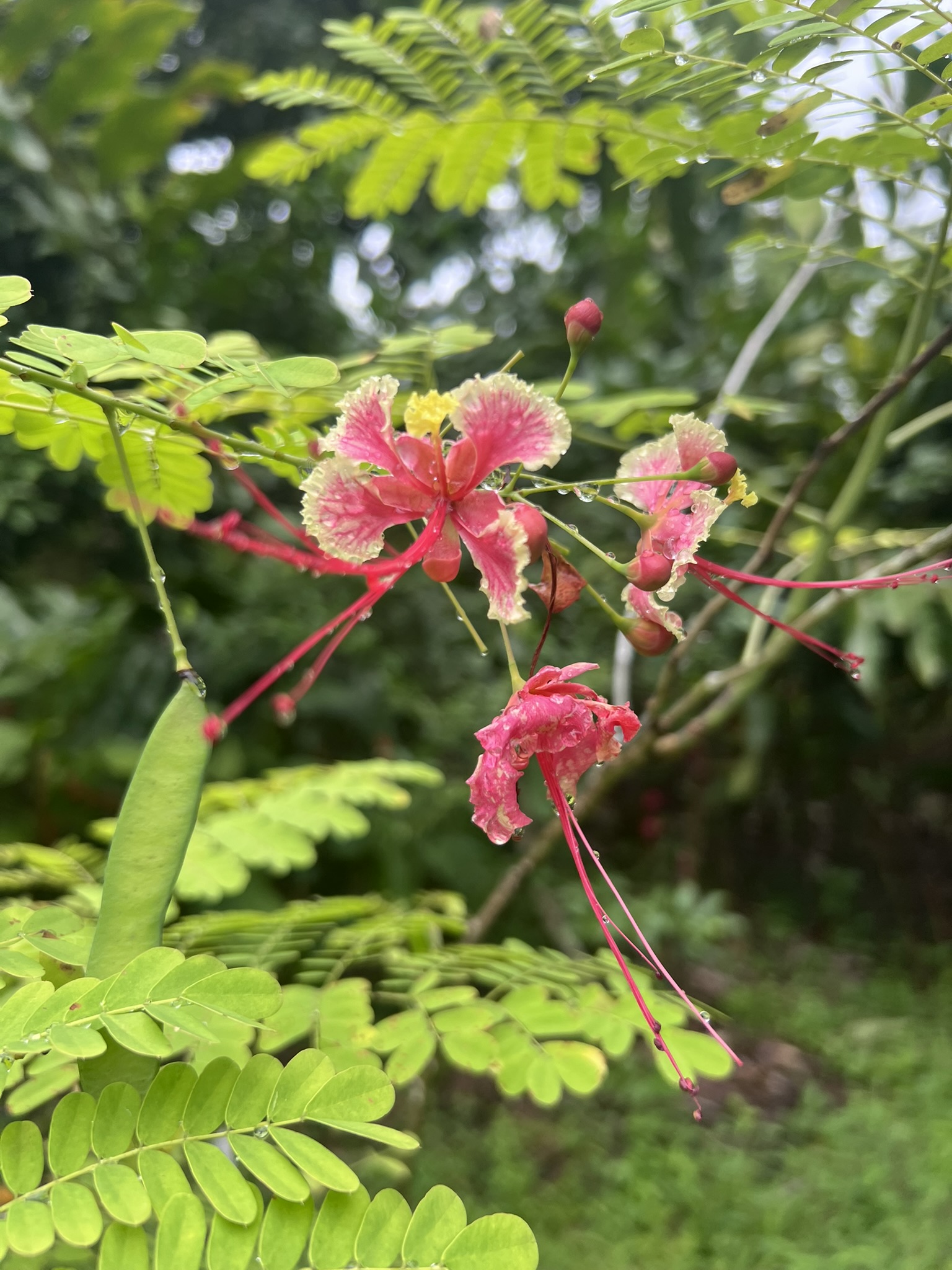
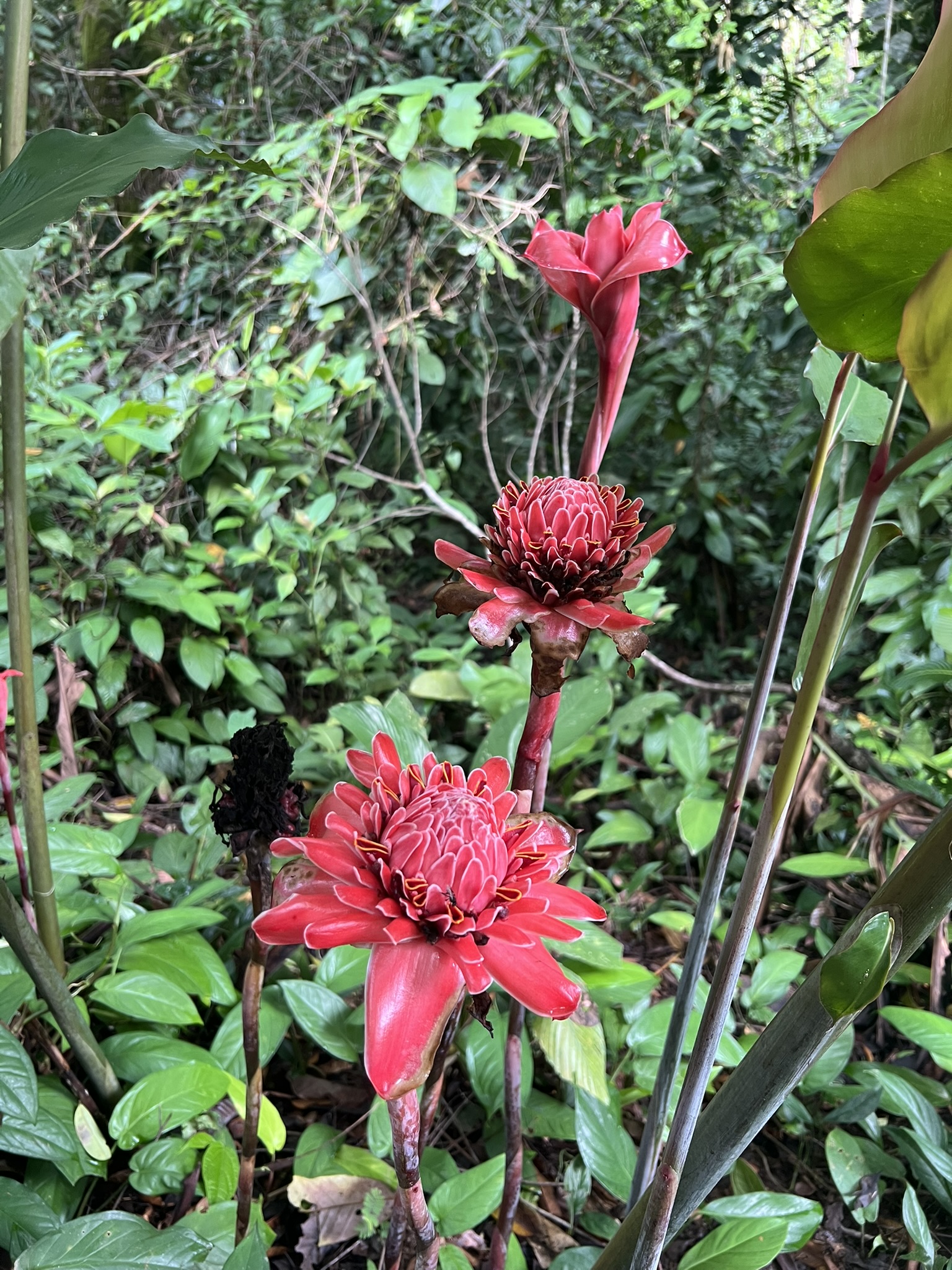
Fortunately, there is an eco-lodge inside the park on the outskirts of Drake’s Bay owned by a former sailor. In addition to the gorgeous lodgings and landscaping, Aguila de Osa has a relatively large dock for use by tour boats picking up their guests, as well as by guests wanting to kayak up the river. And – oh joy – by cruisers who need a place to land and tie up their dinghies while enjoying the park or running errands in town. (We didn’t have this luxury again until we returned to Panamá later in the summer.) Many cruisers also stay for a fabulous dinner in the open-air dining room or have drinks on a patio – a little thank you for the generosity of the house.
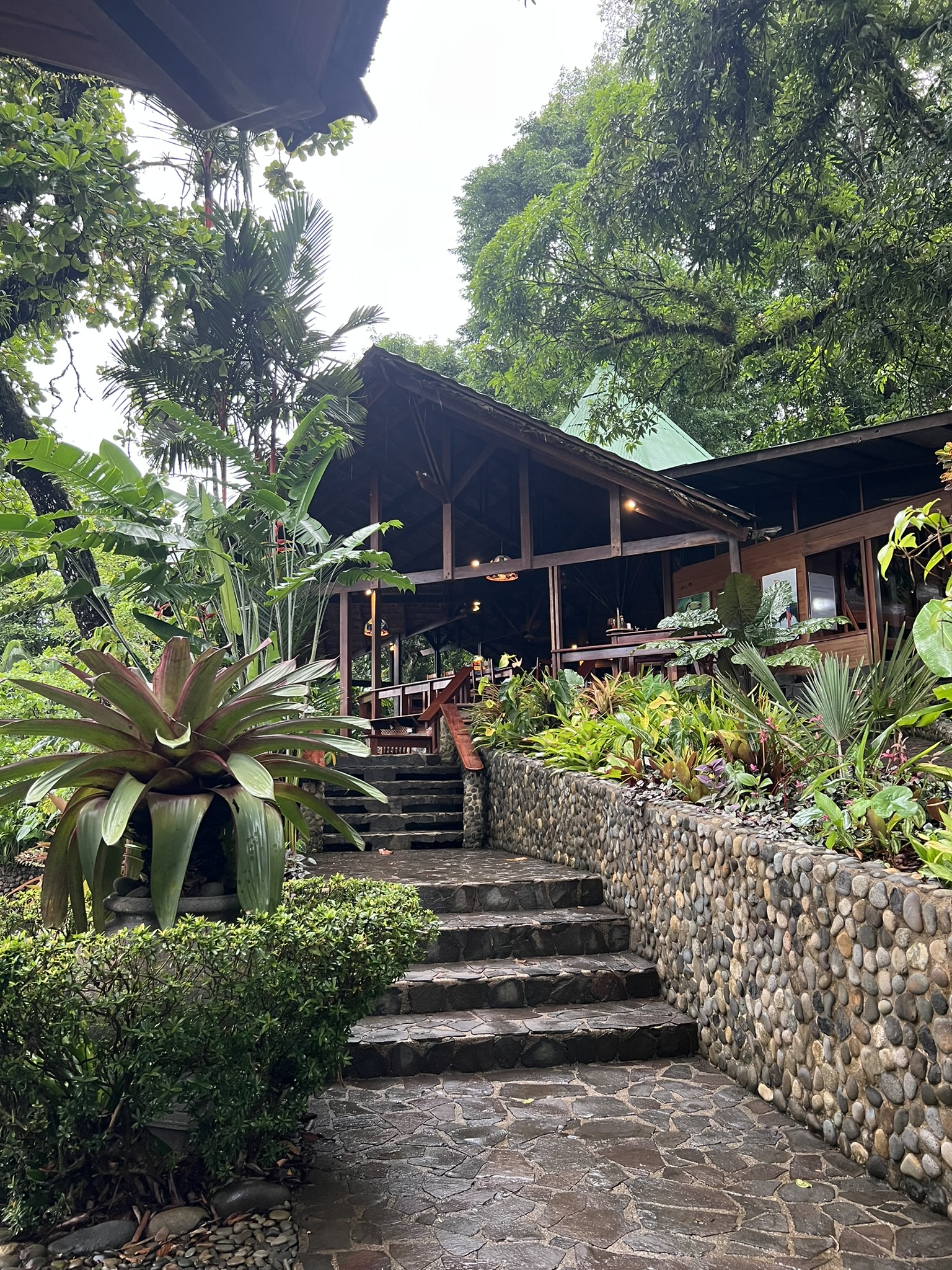
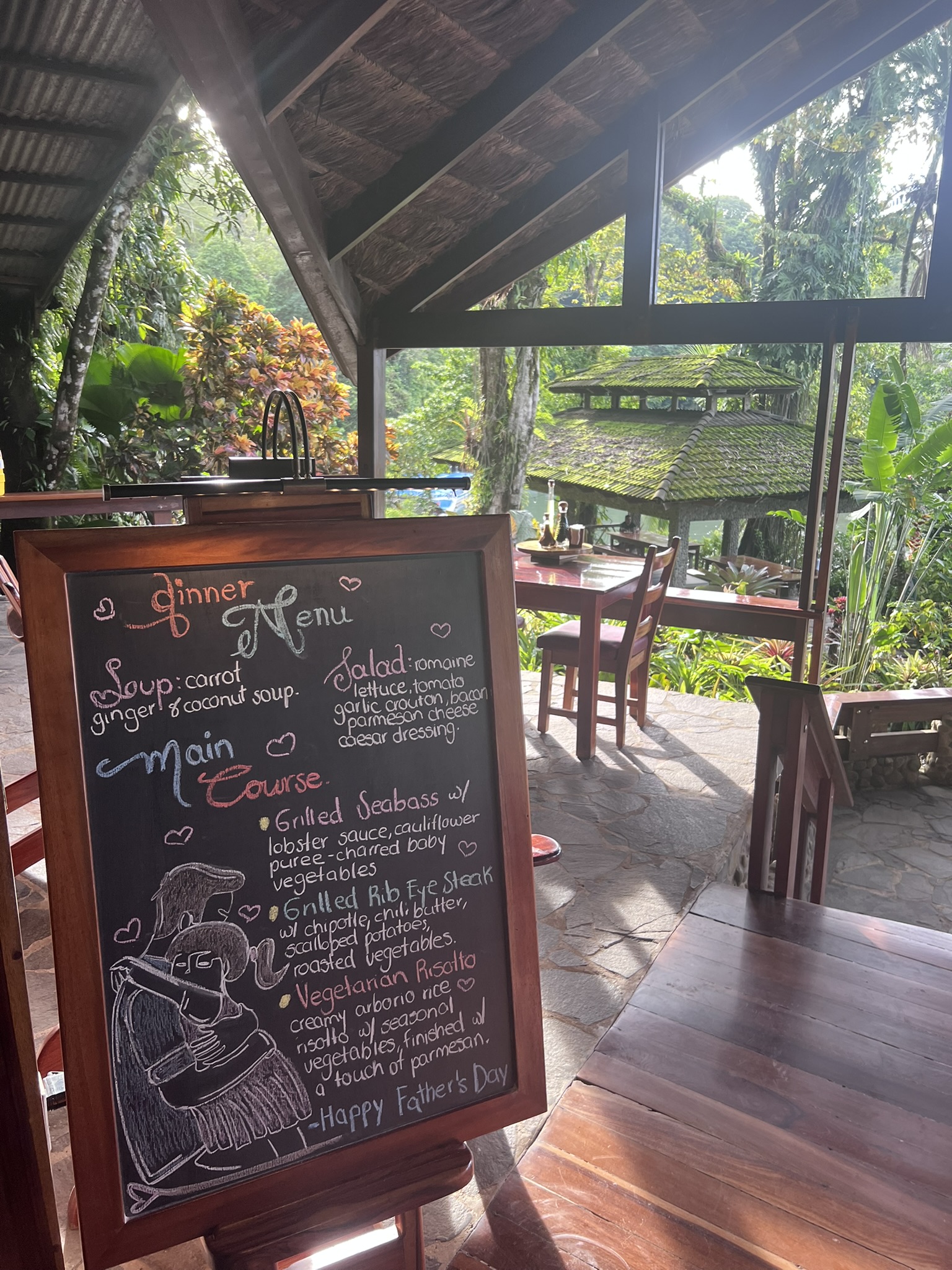
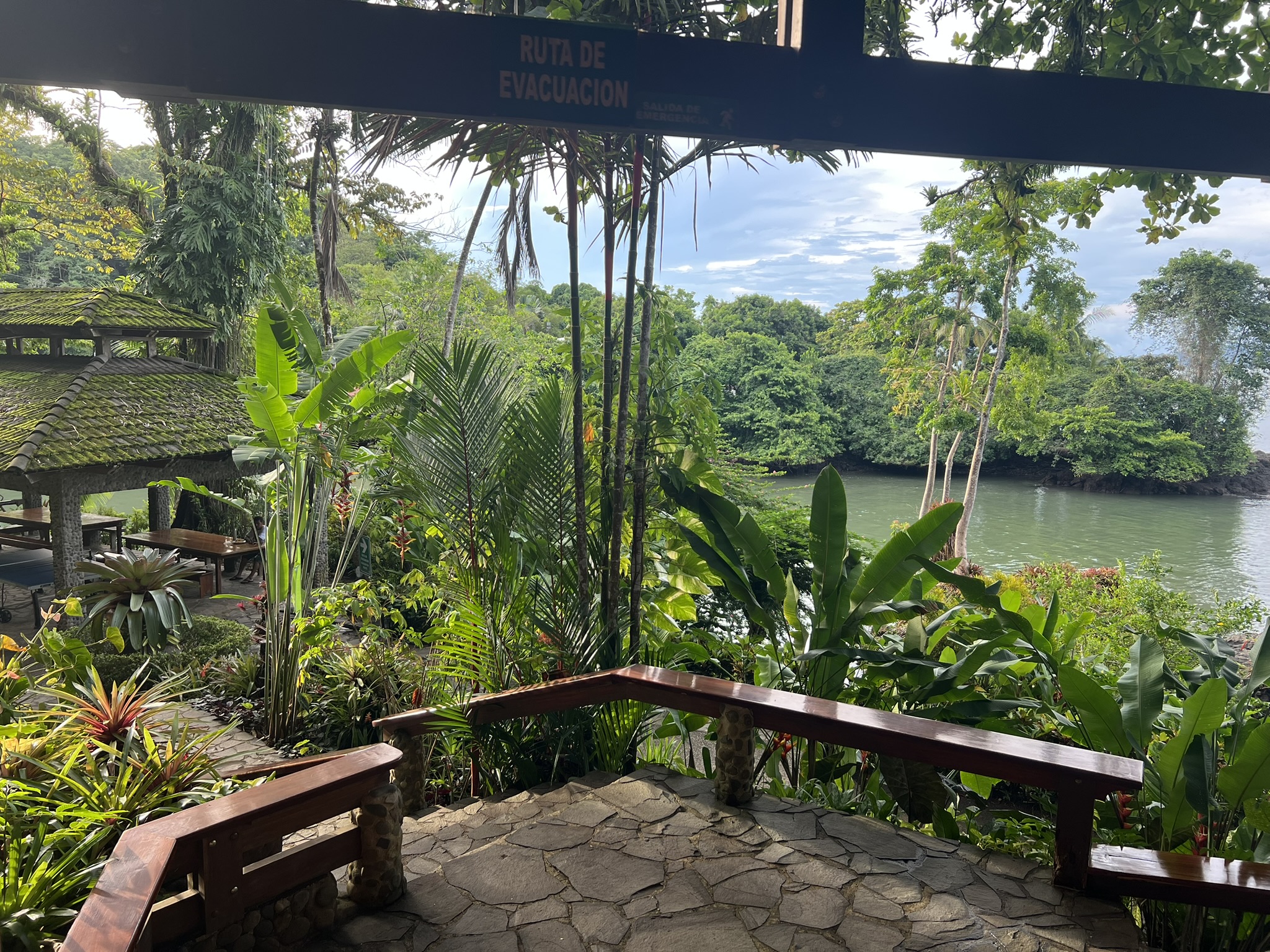
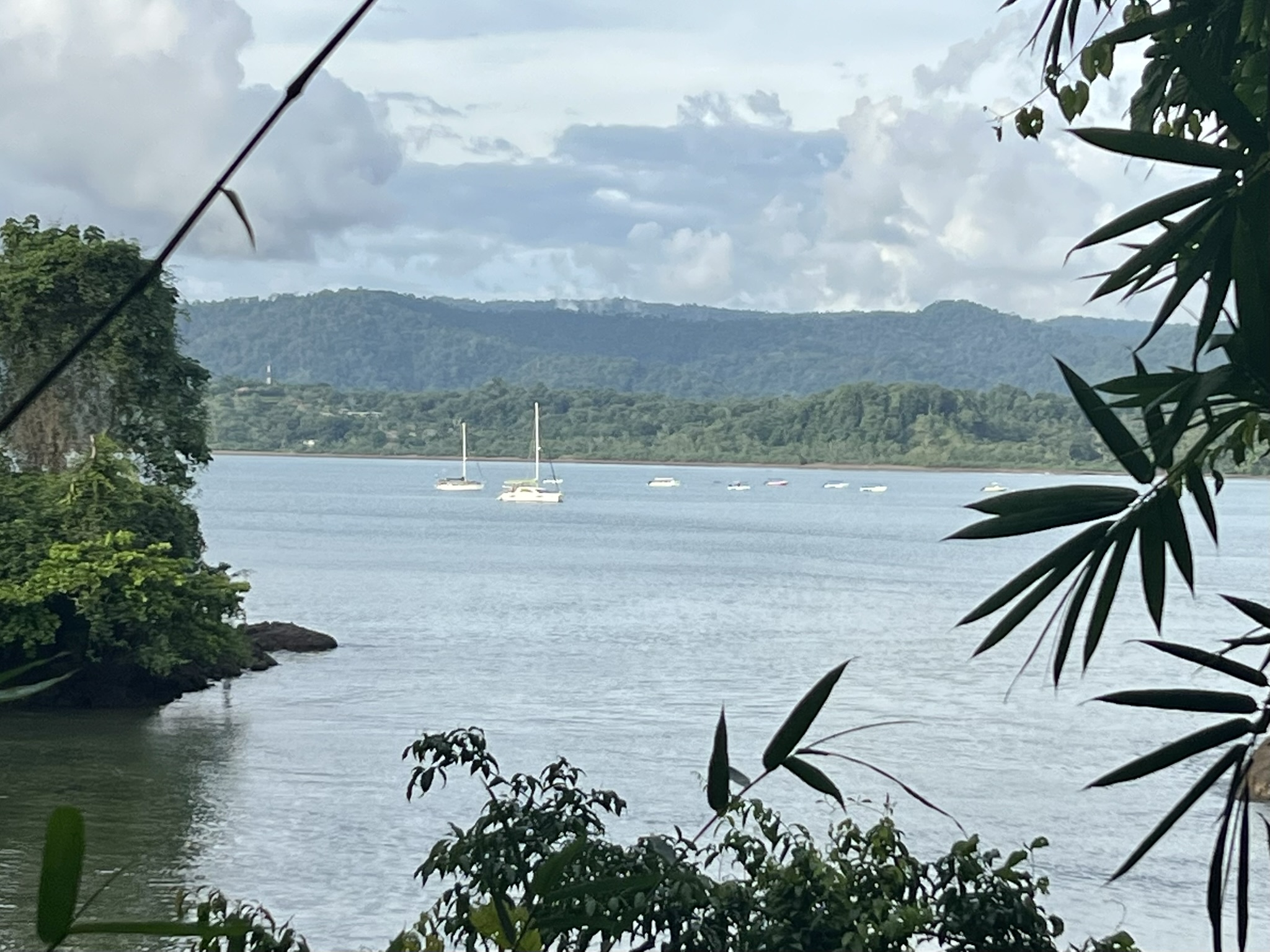
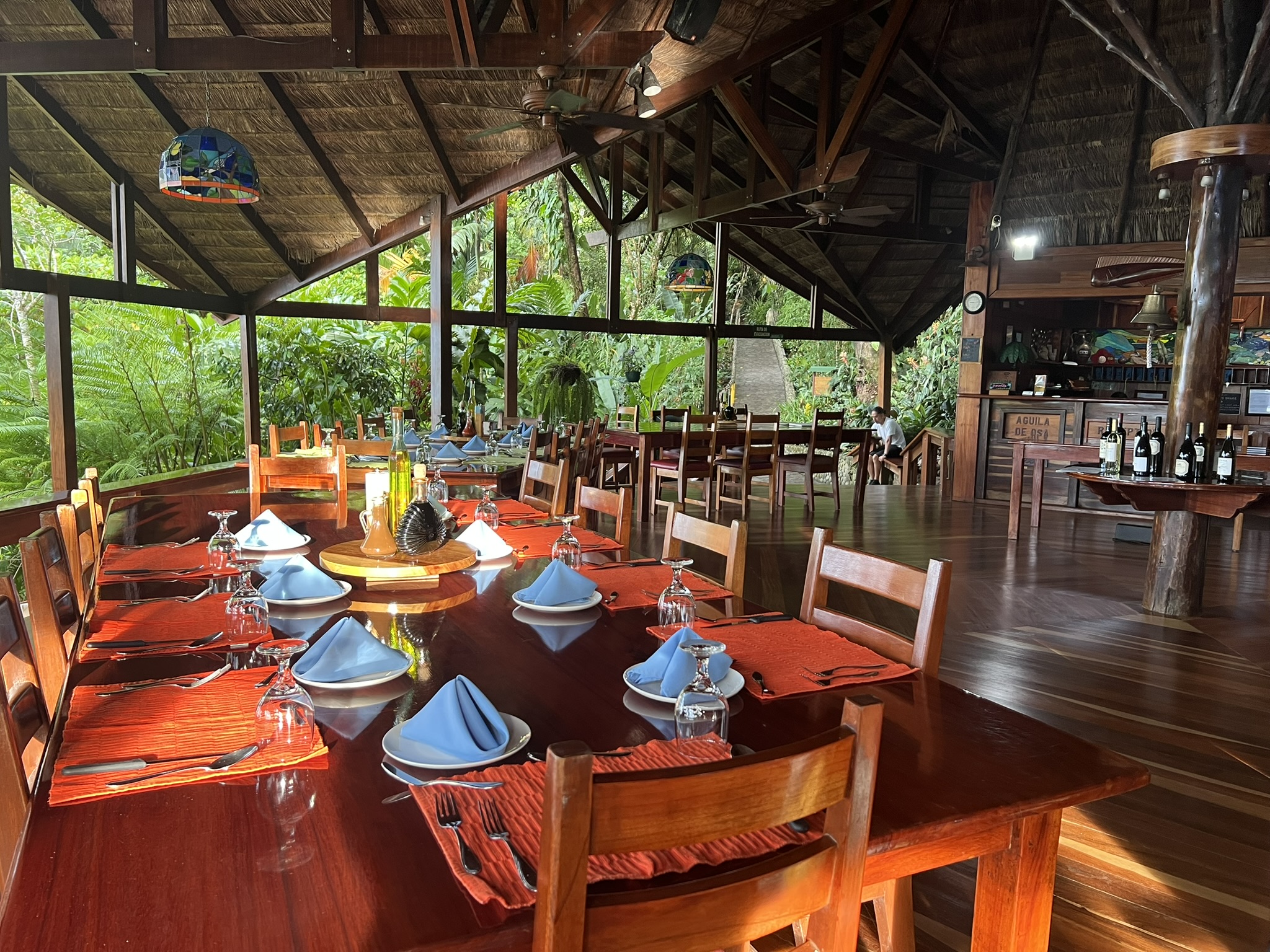
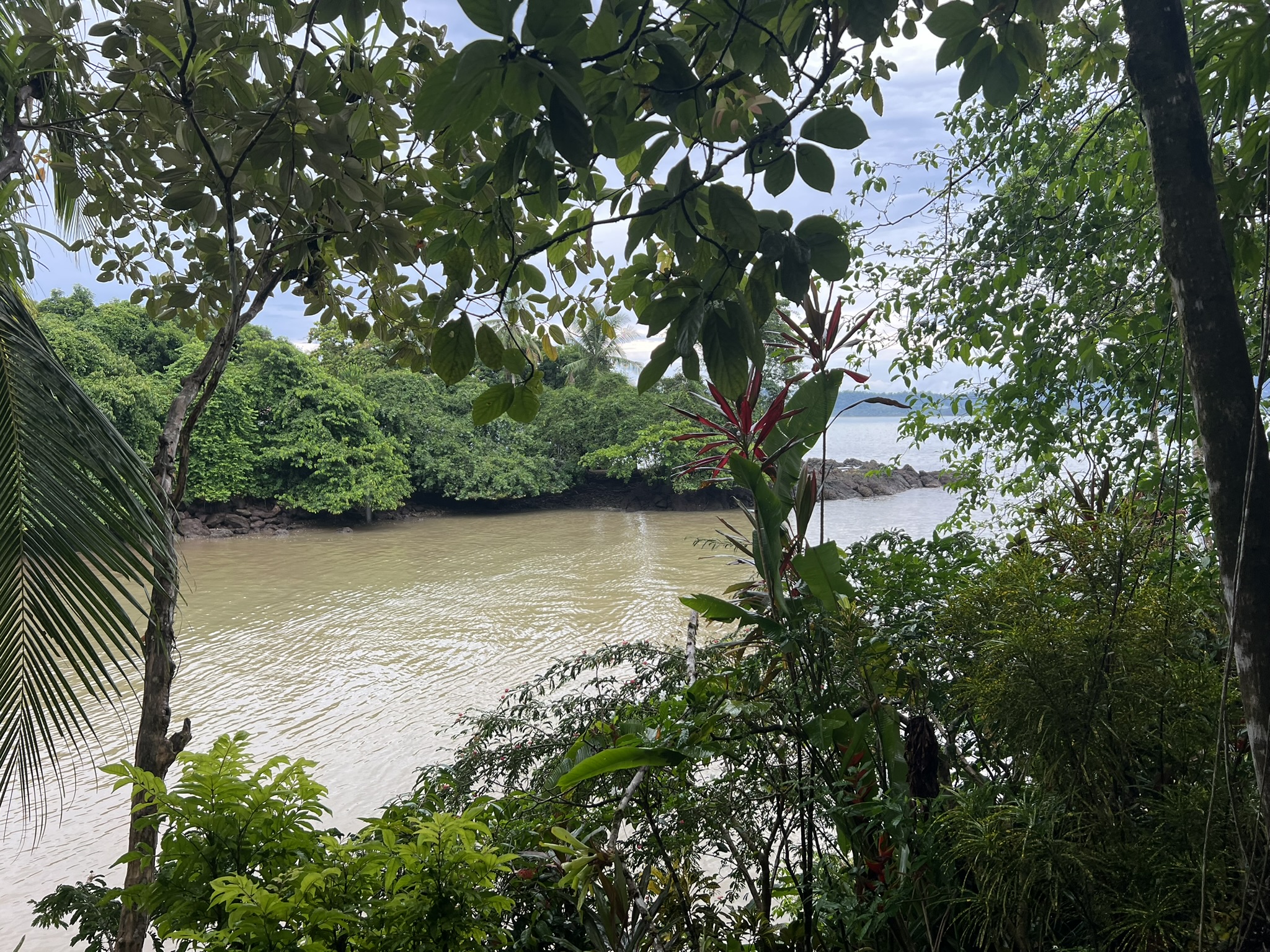
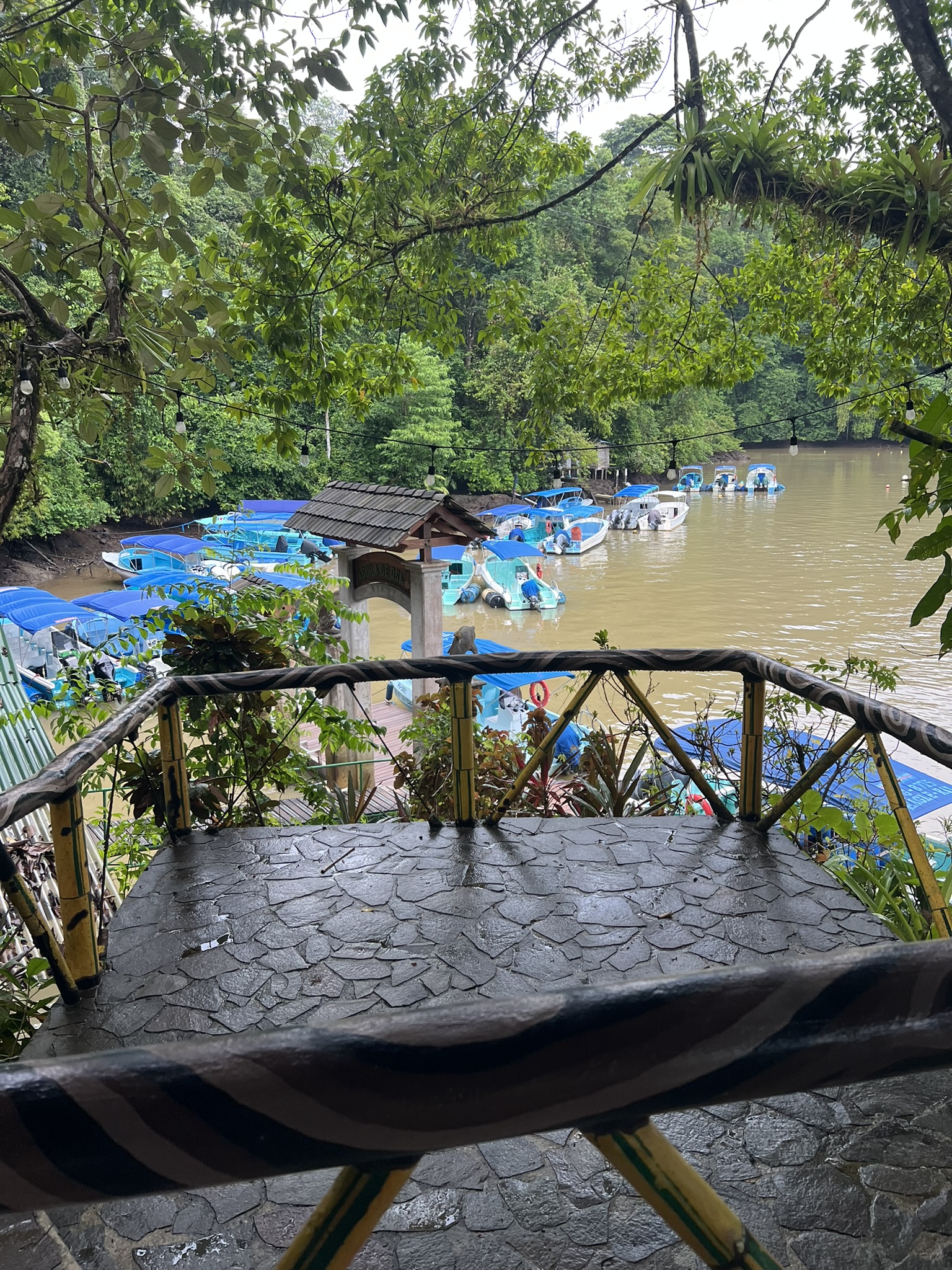
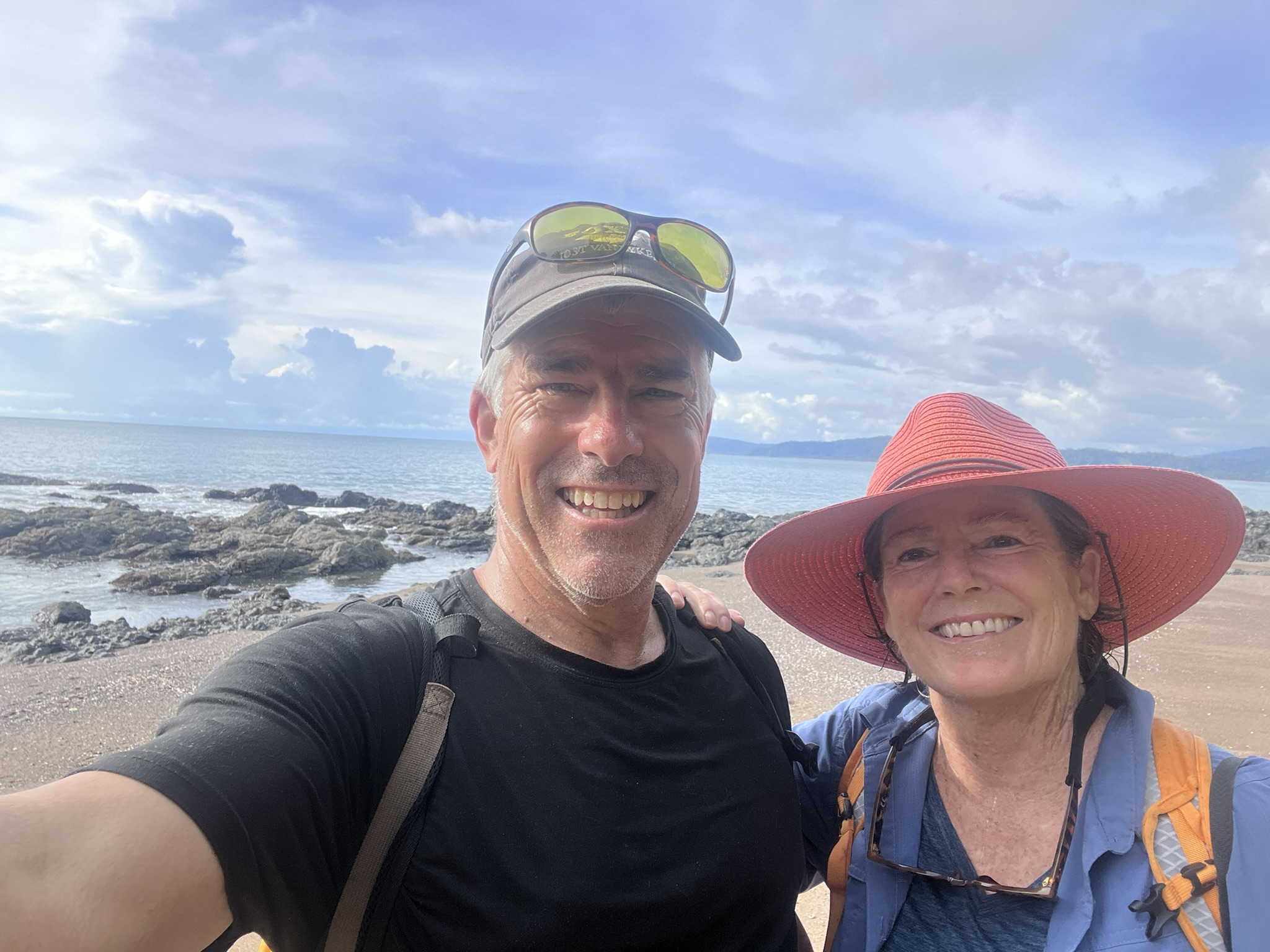
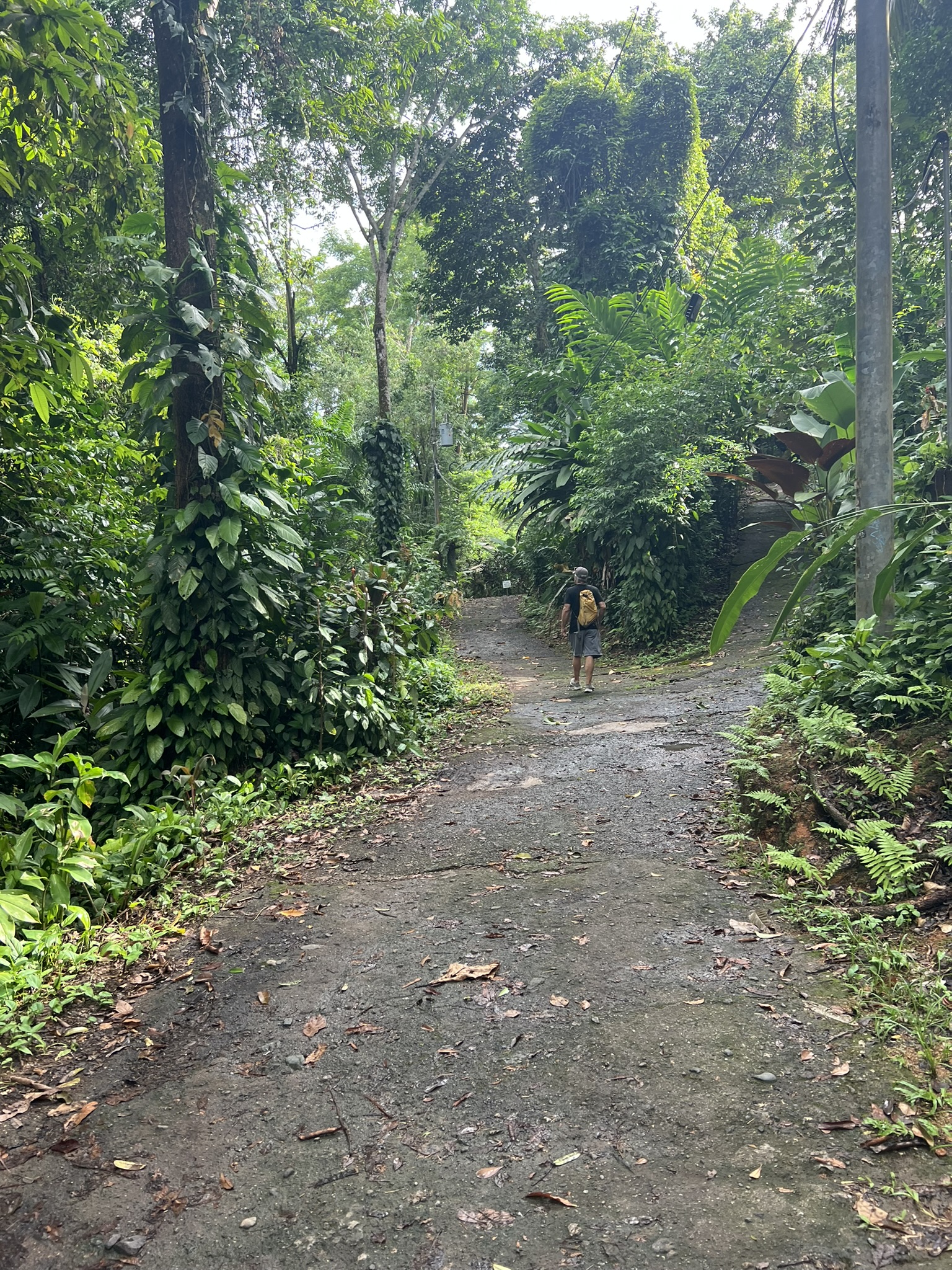
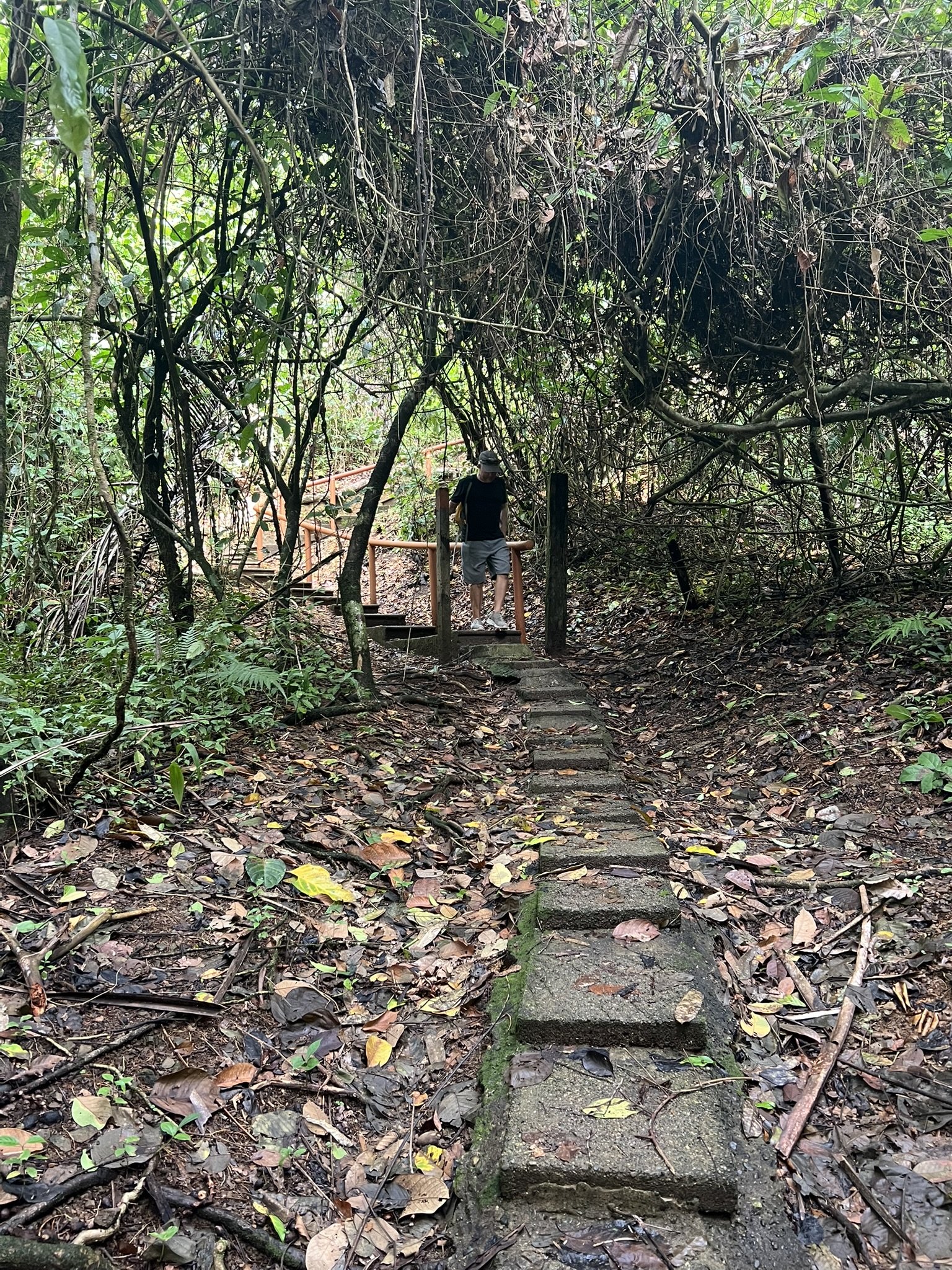
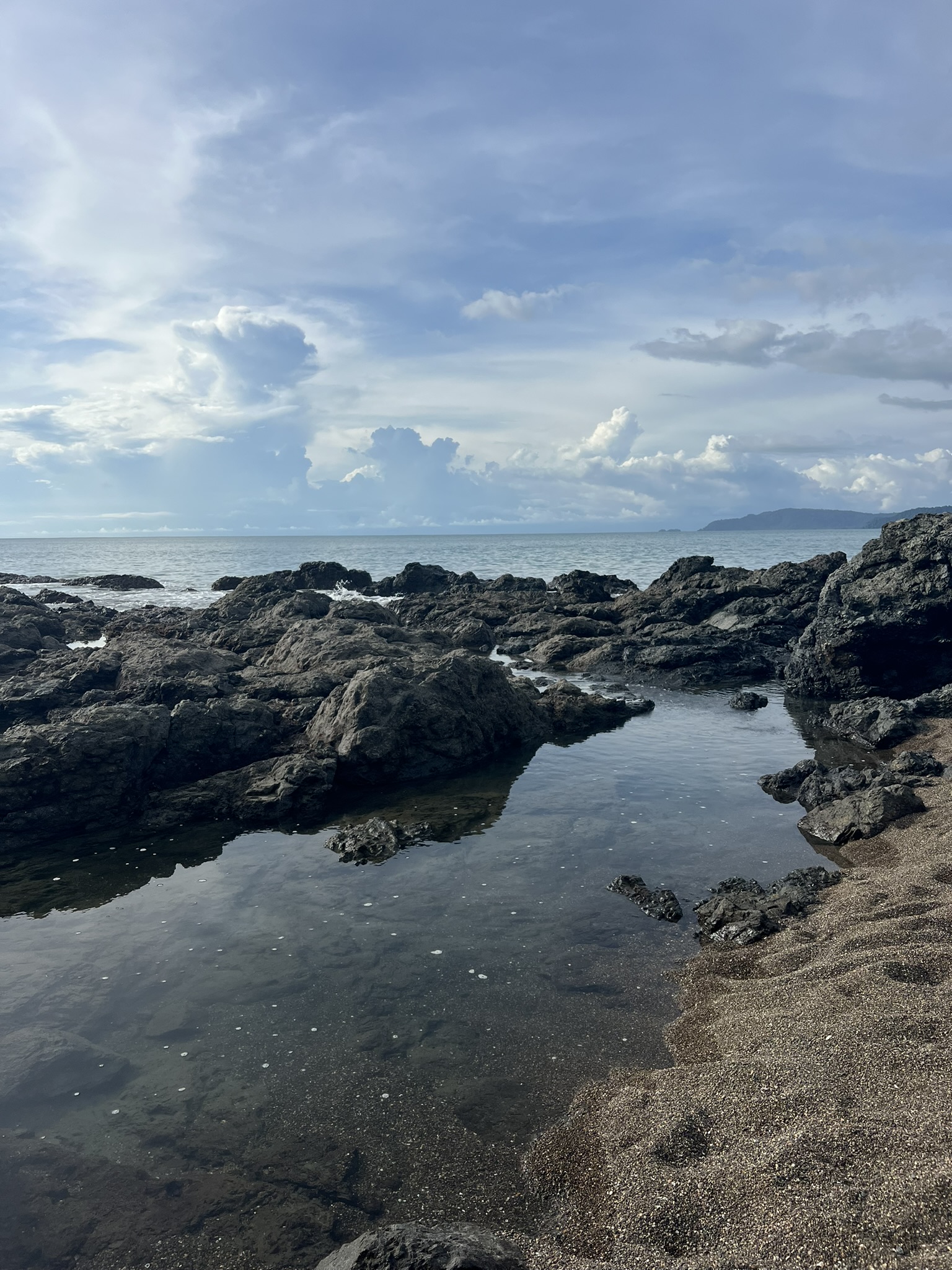
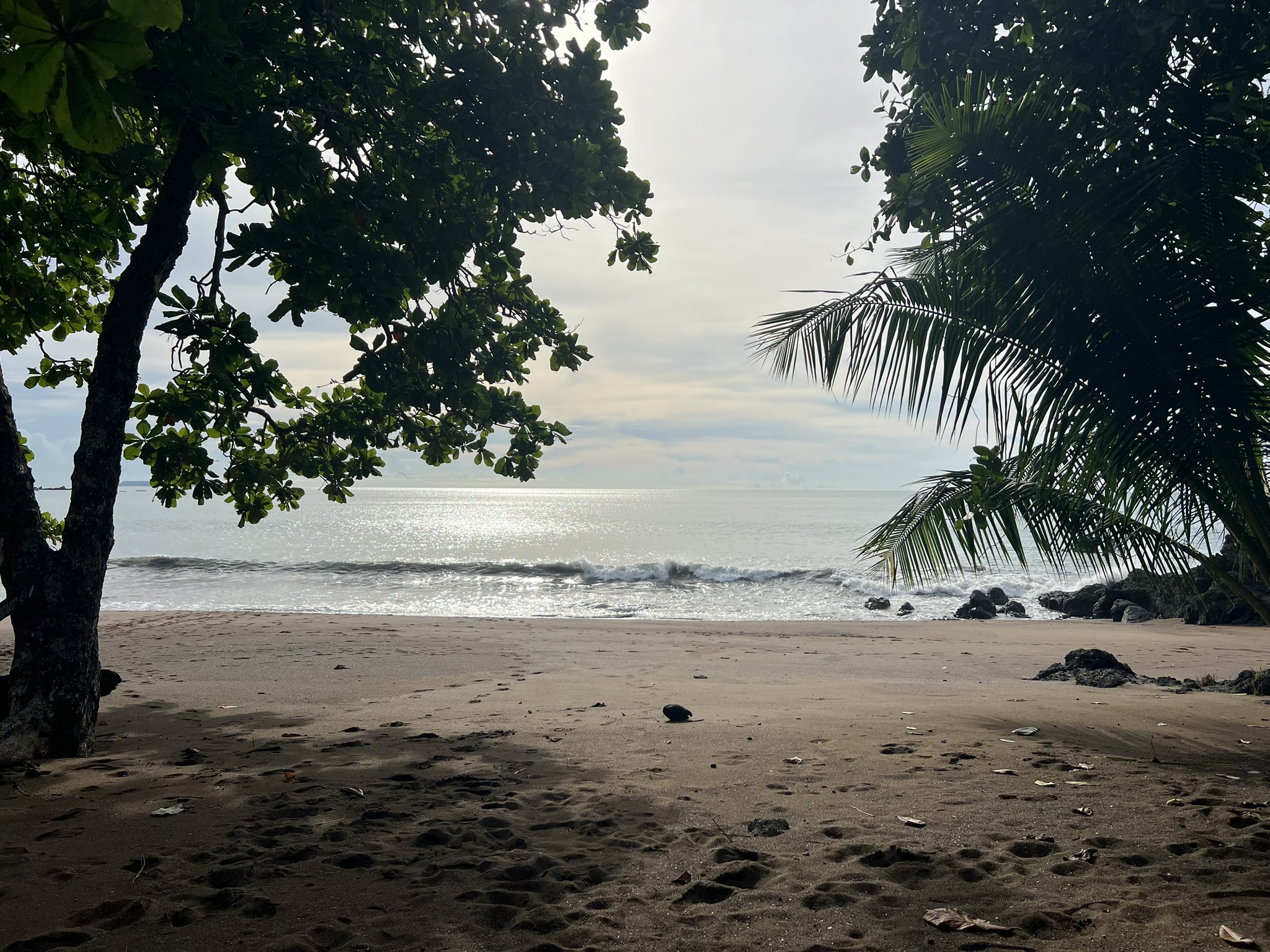
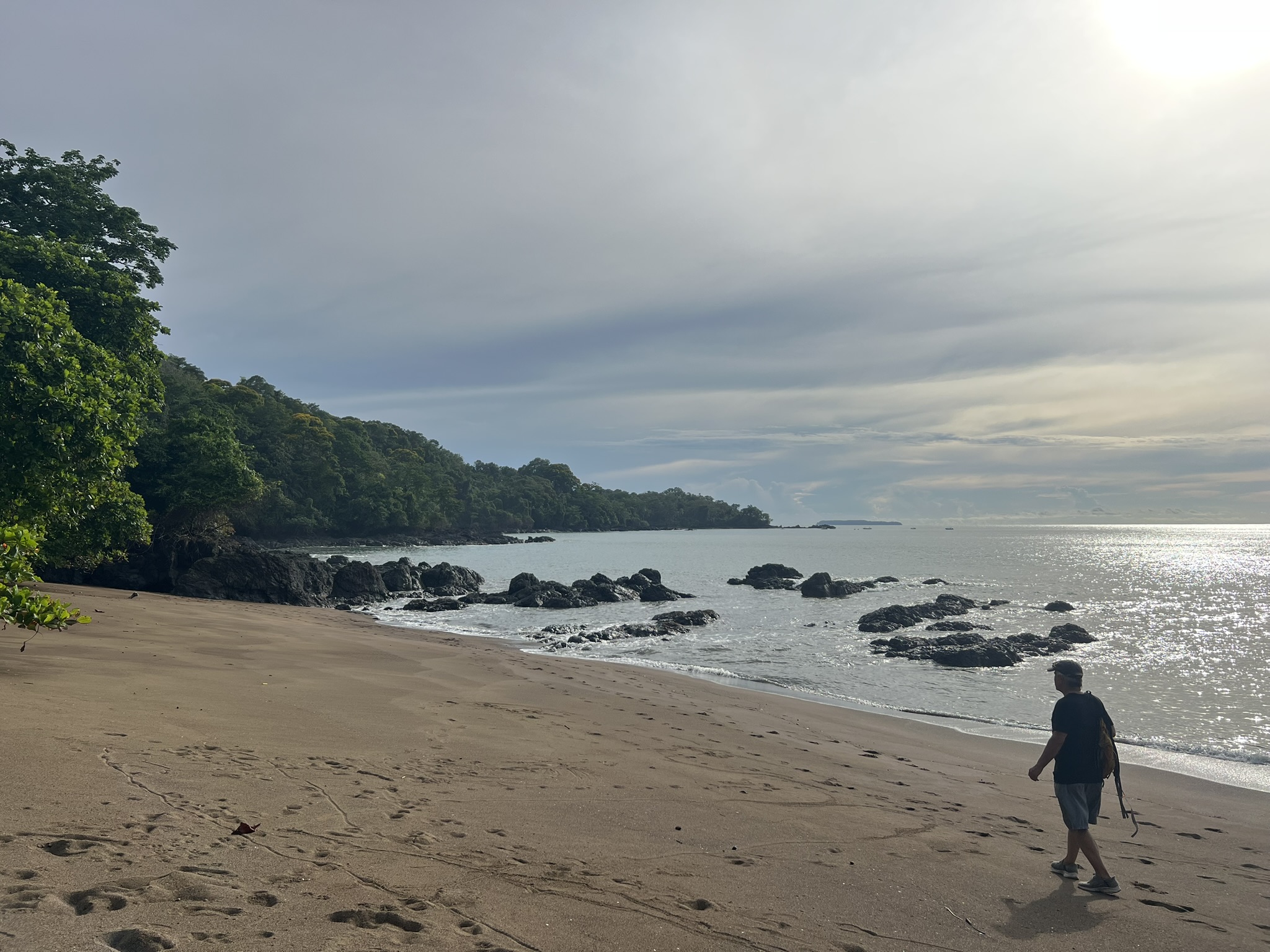
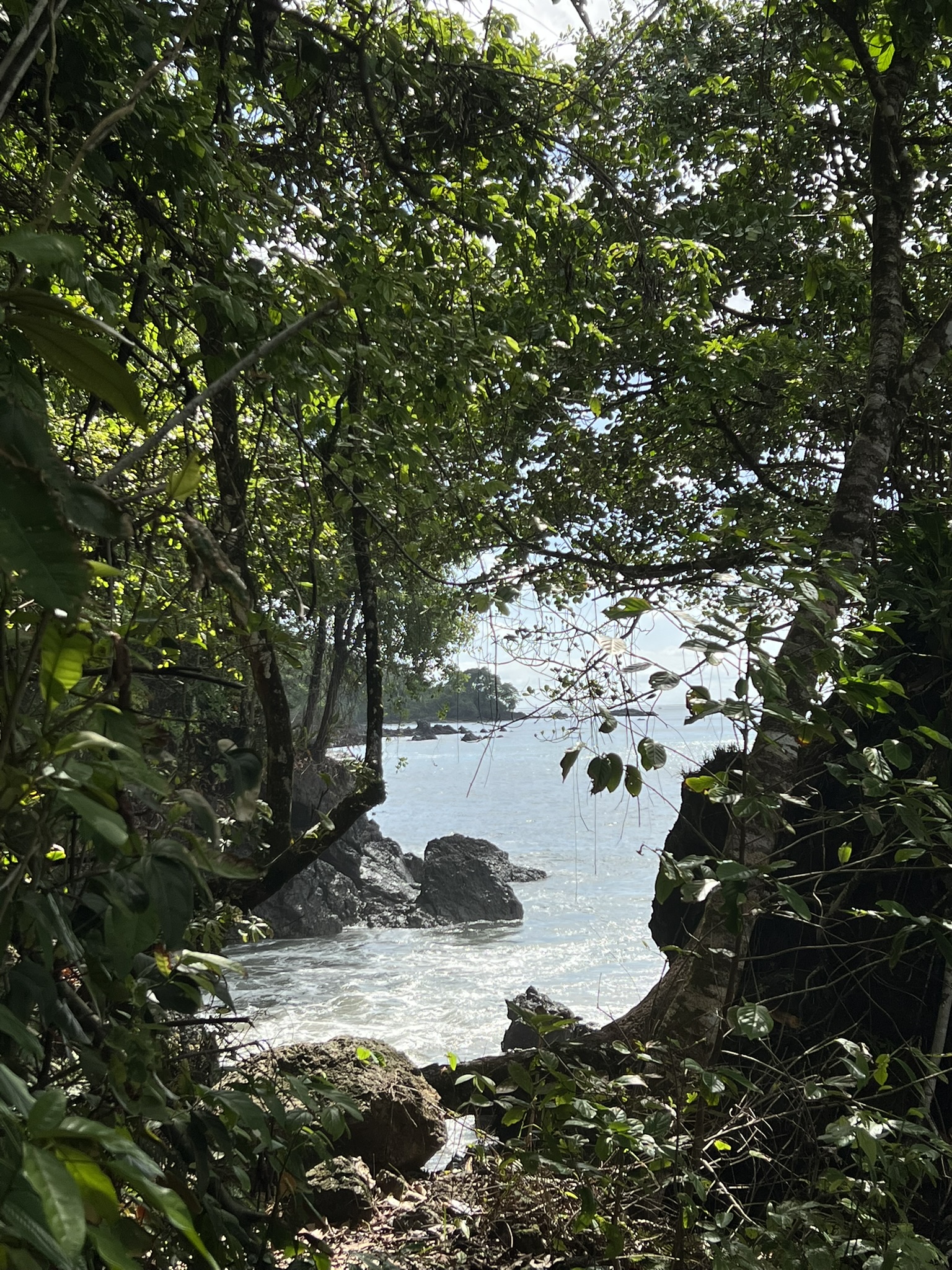
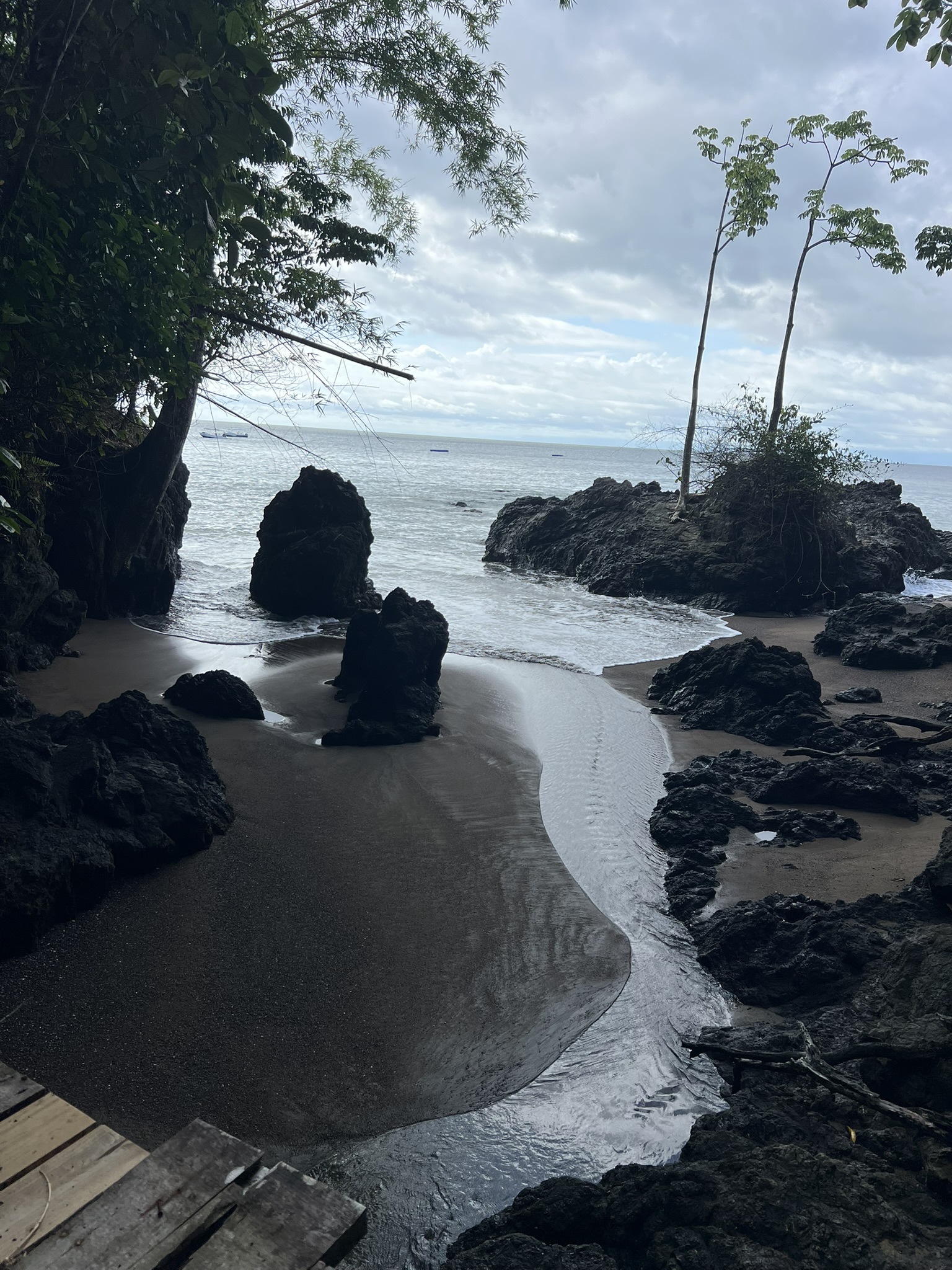
We took advantage of this perk as often as we could, considering tides and Peter’s work schedule. We hiked several times along the coast in the park, saw our first scarlet macaws, walked into town for occasional provisions, ate out a few times both at Aguila and in town, and explored the beach at the end of town at low tide (my first Bare-throated Tiger Heron!).
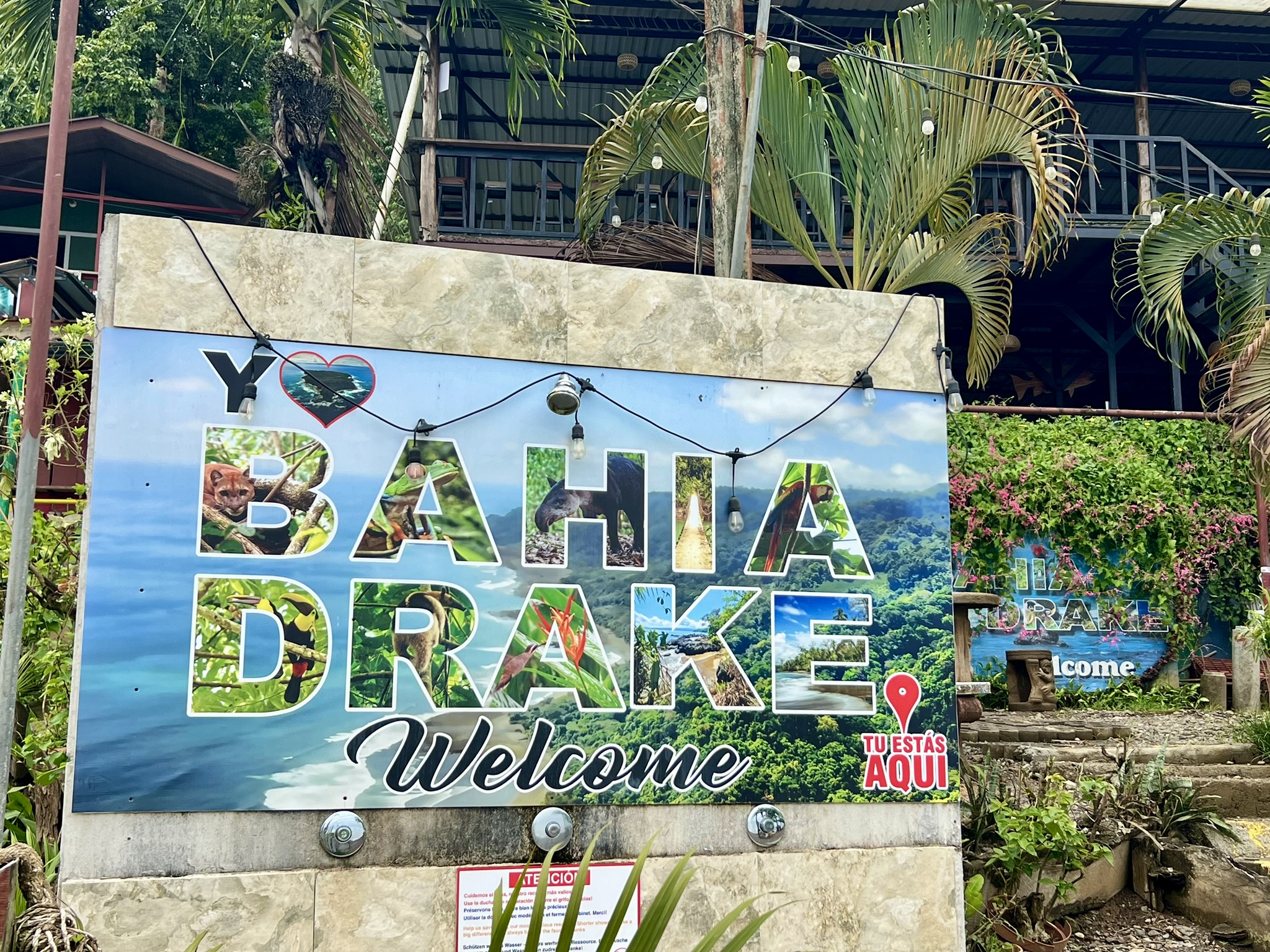
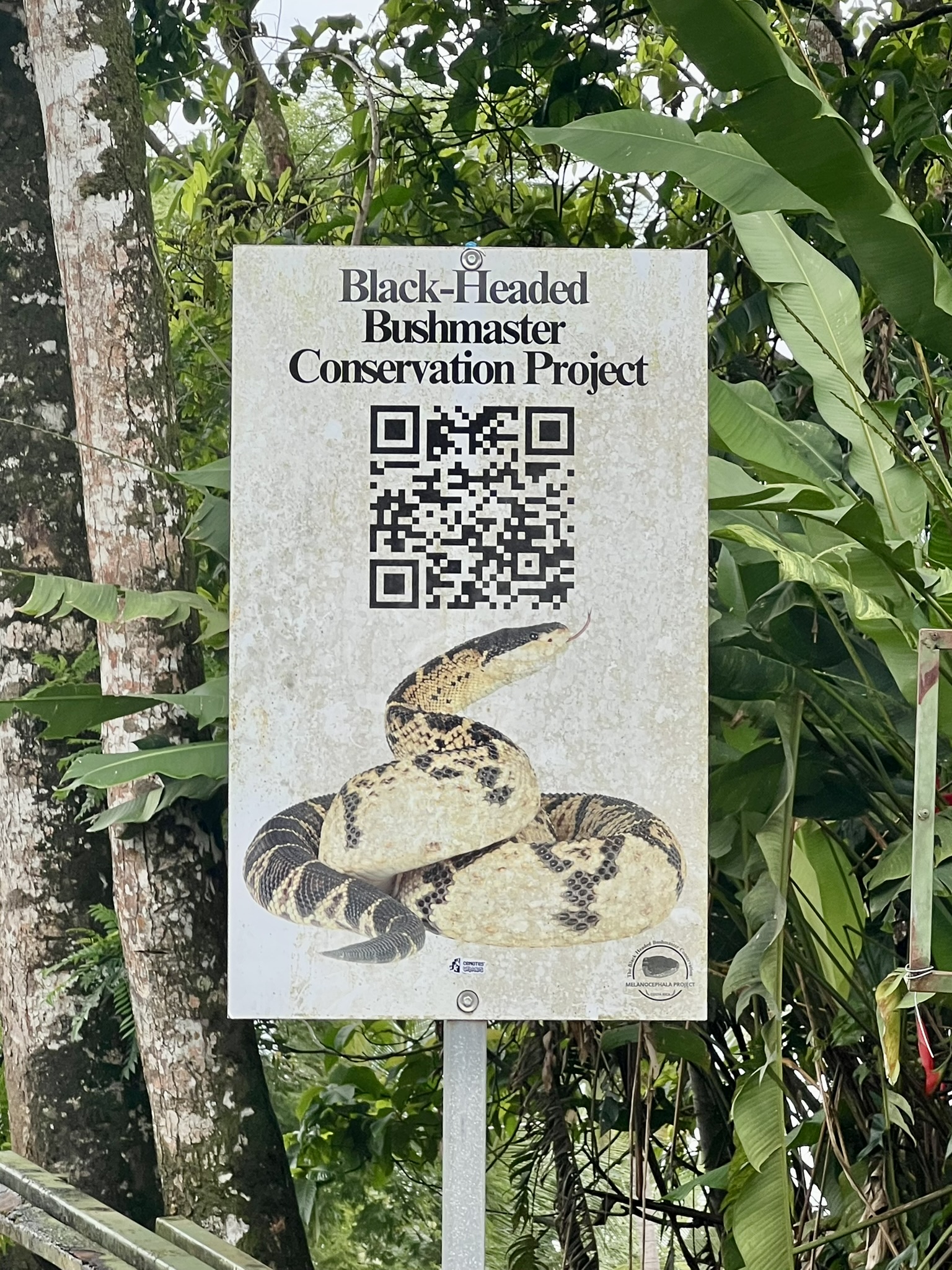
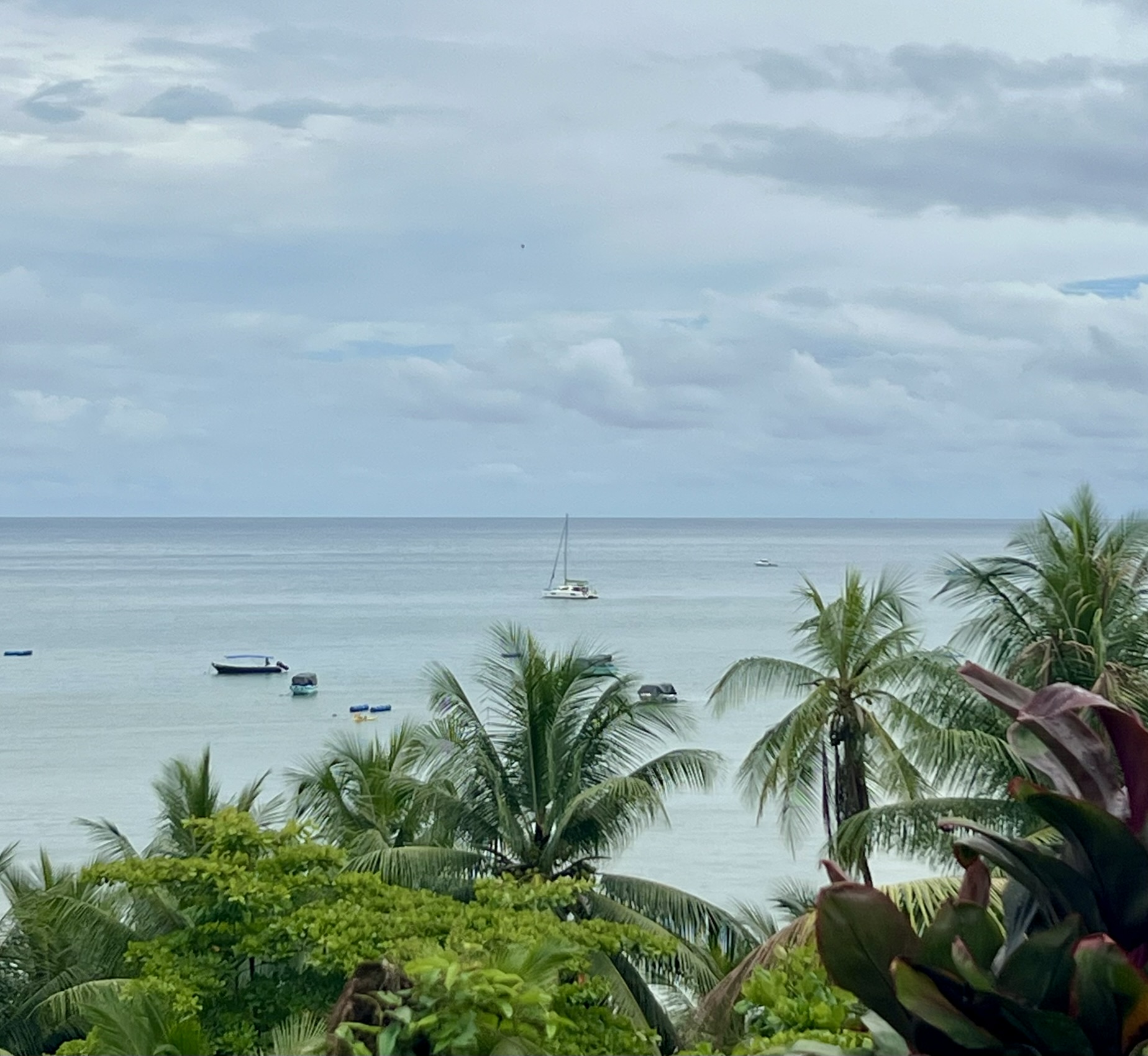
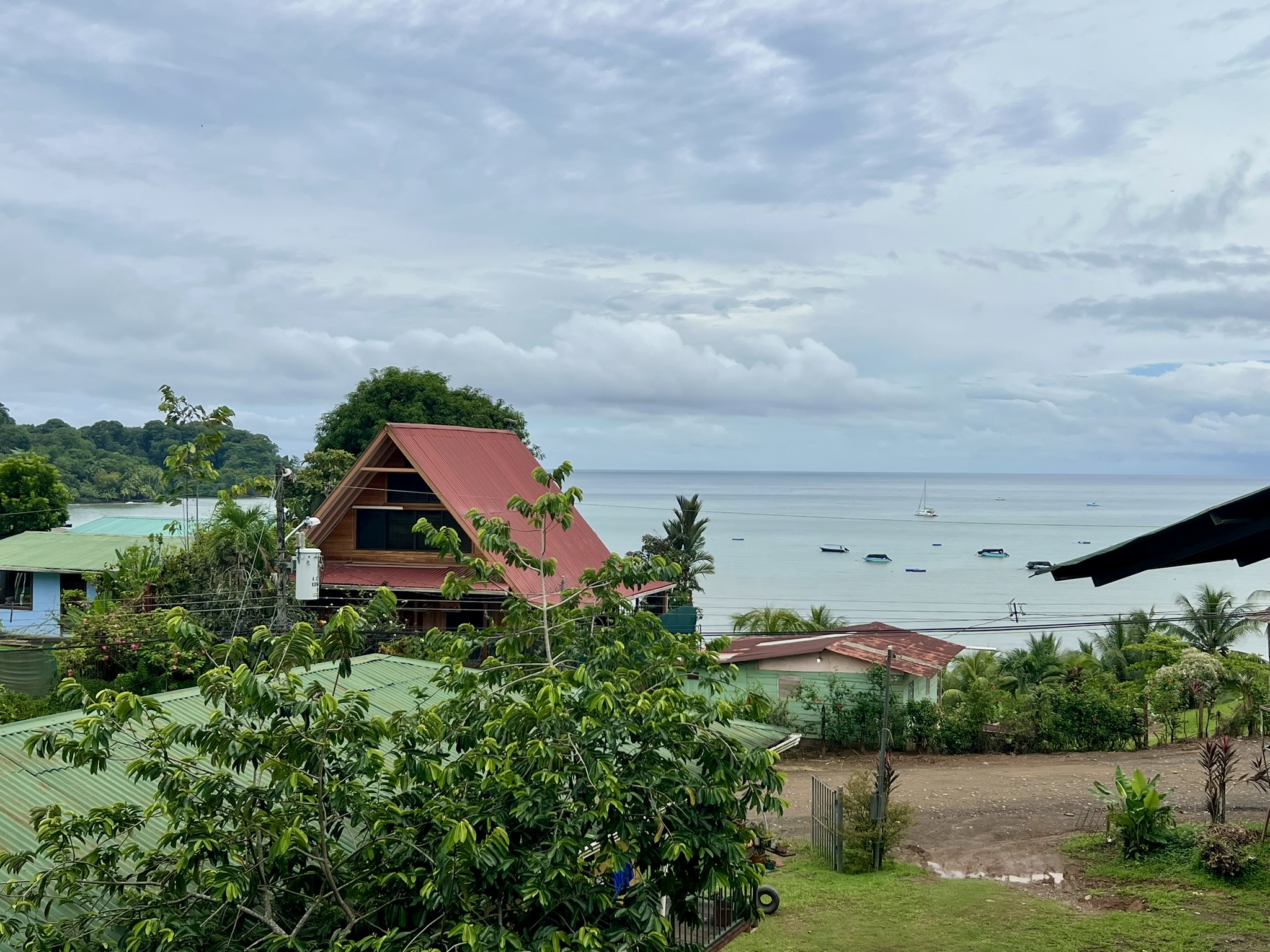
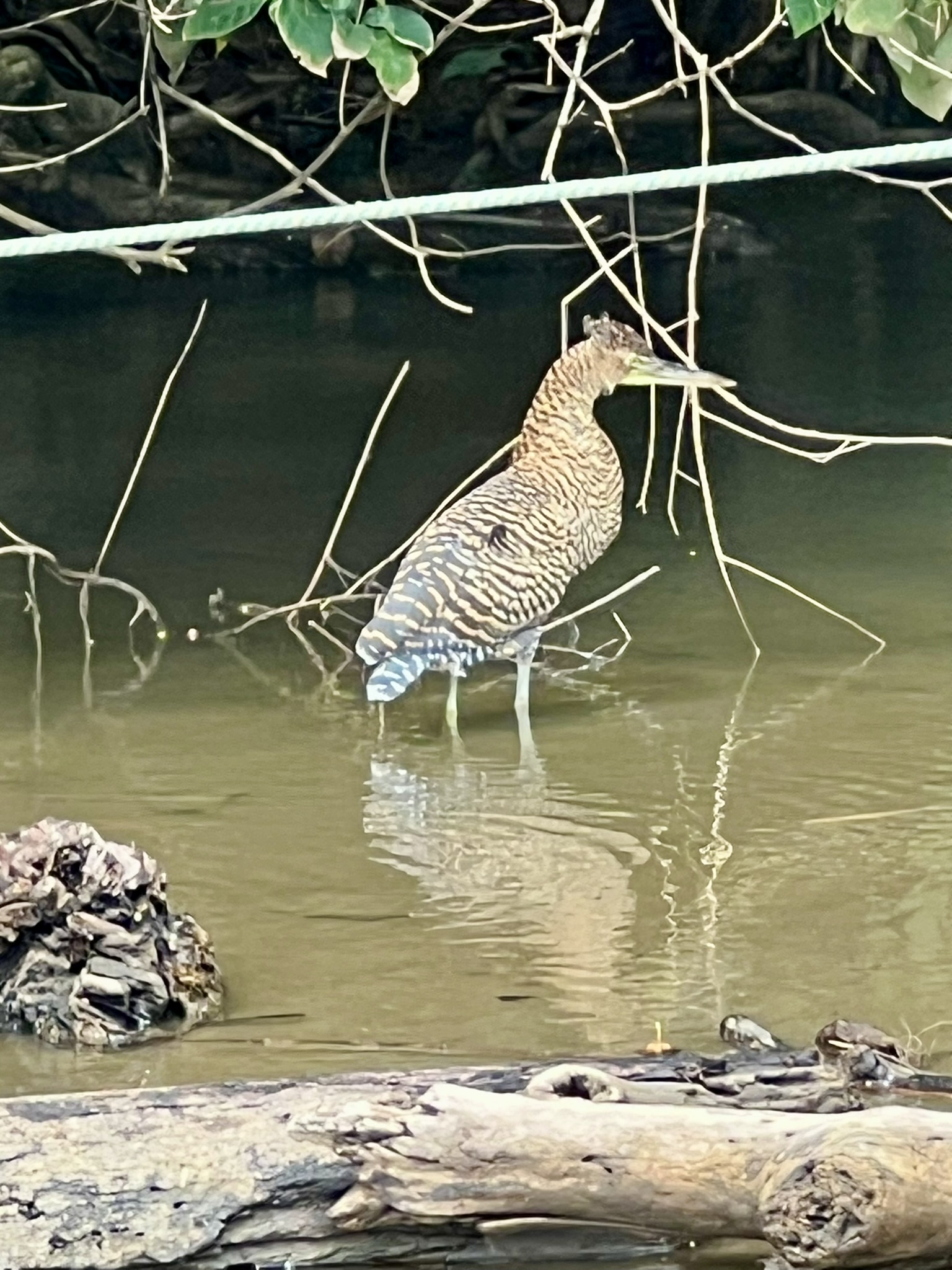
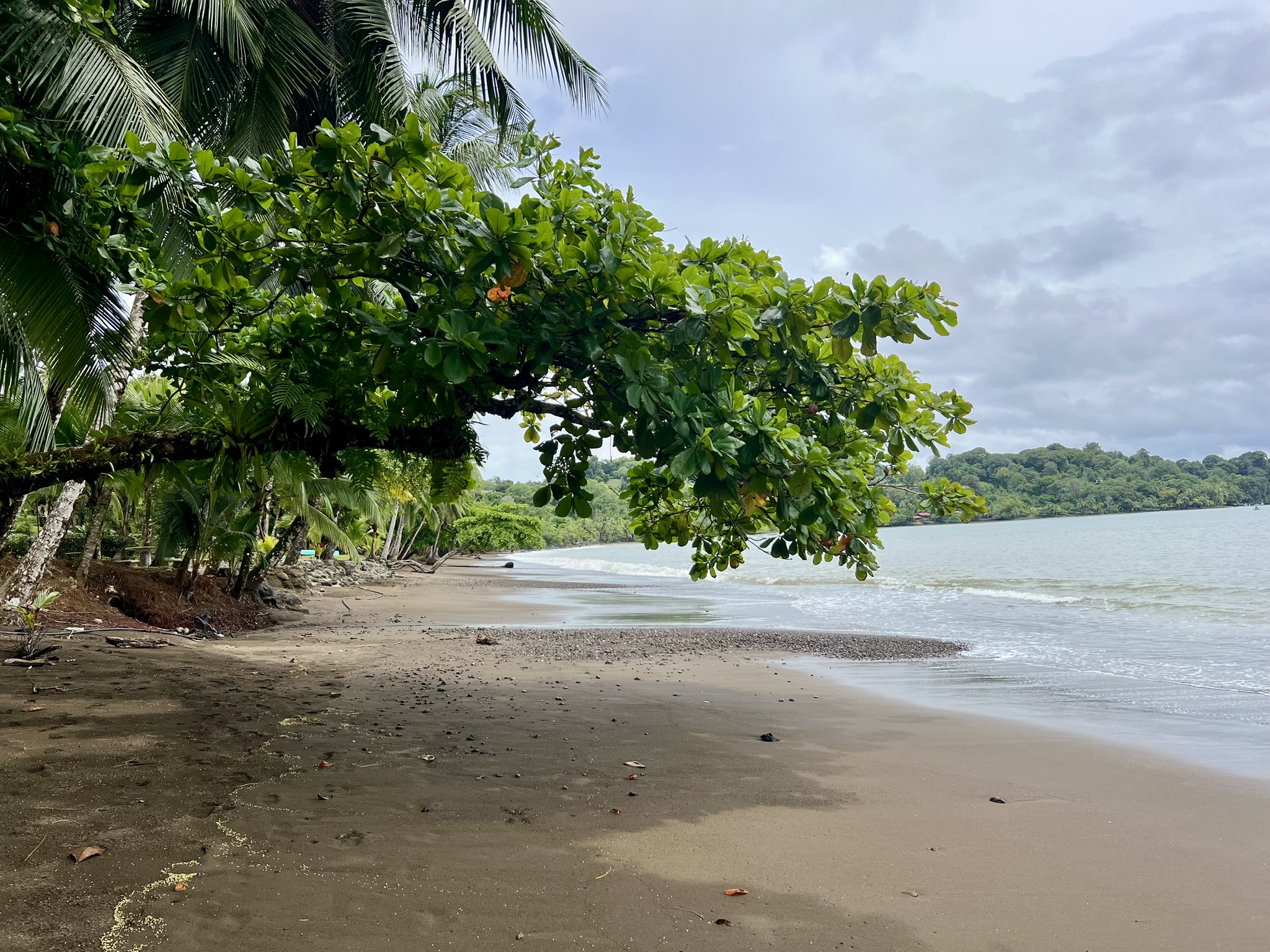
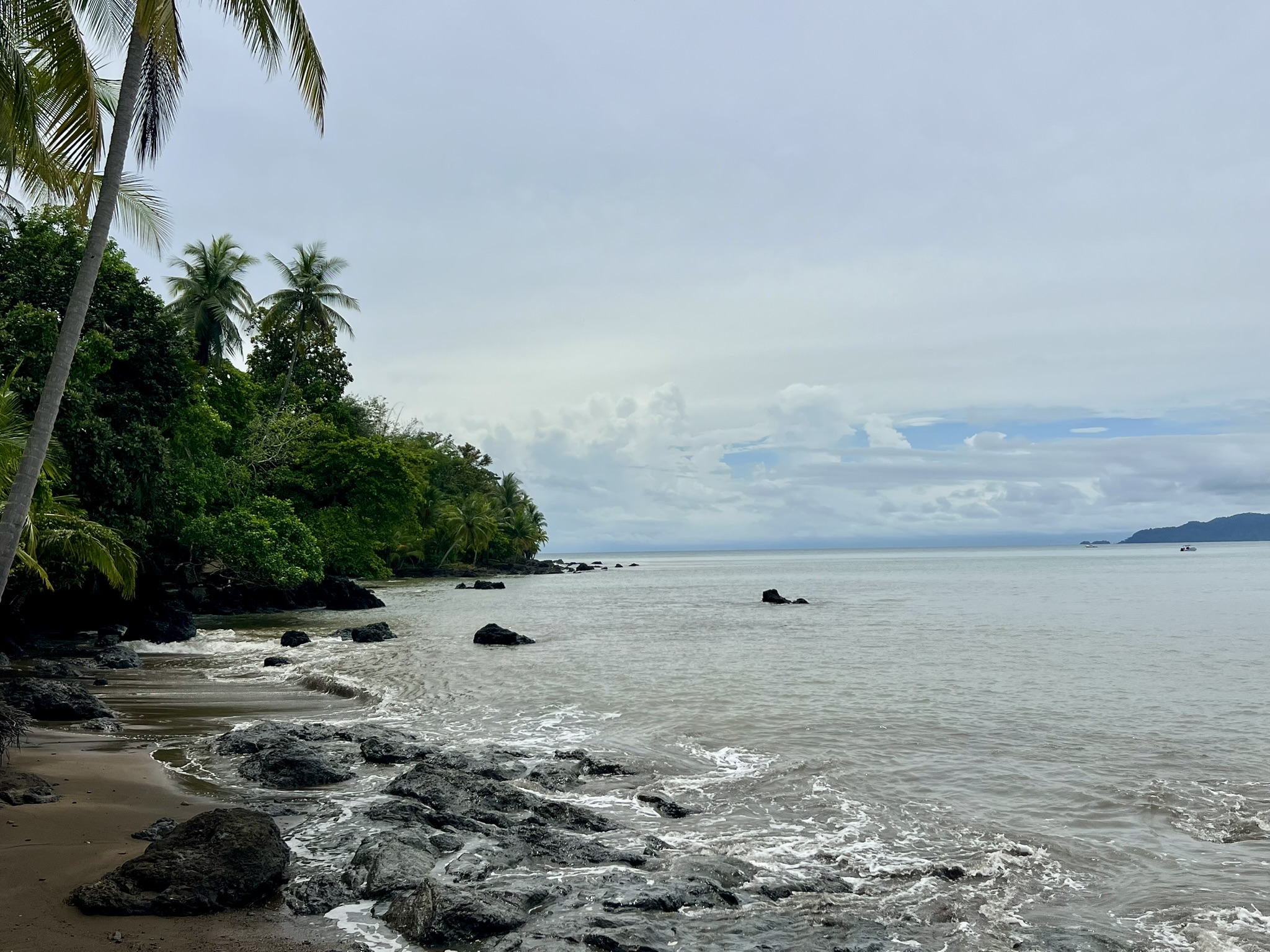
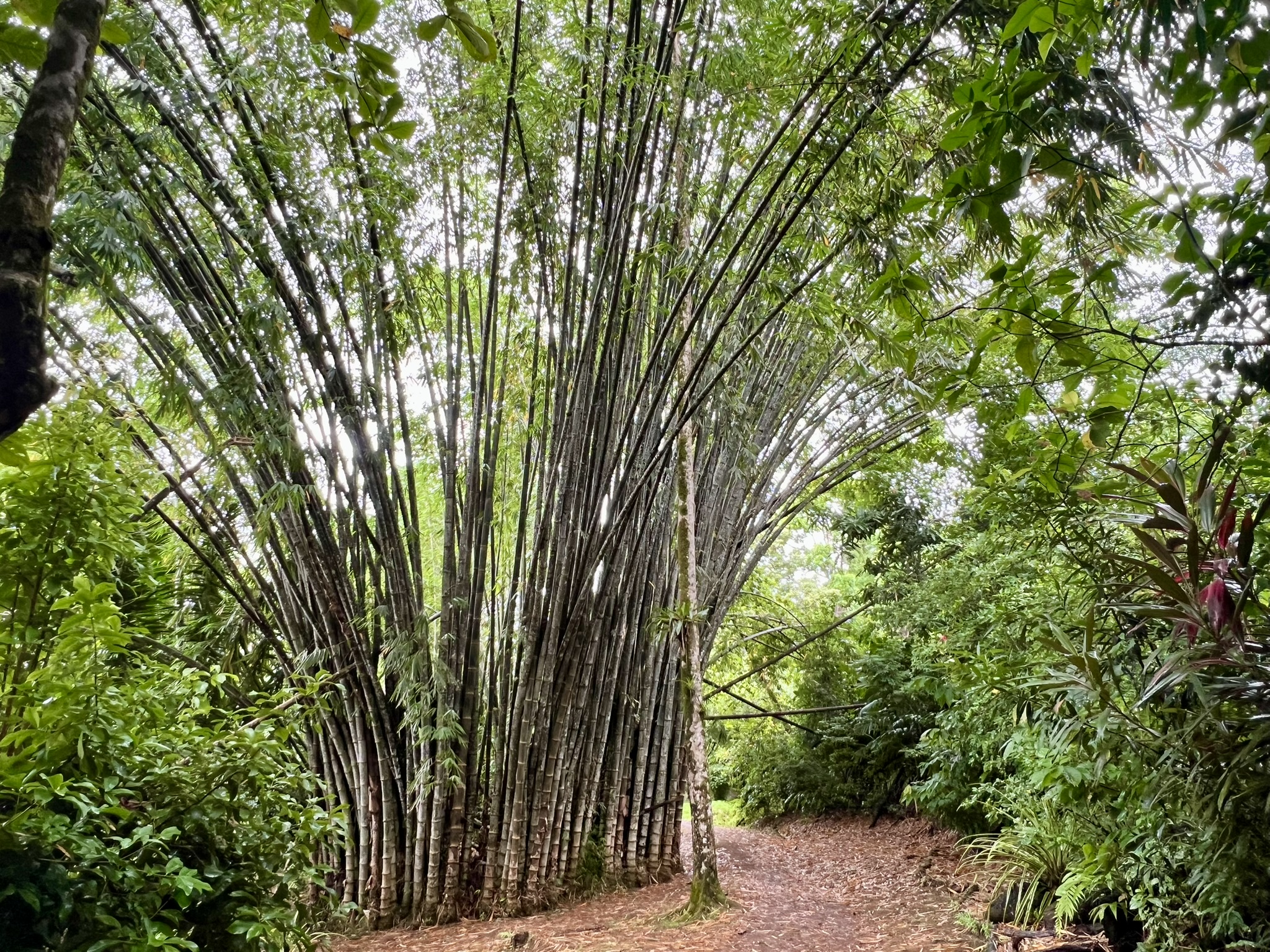
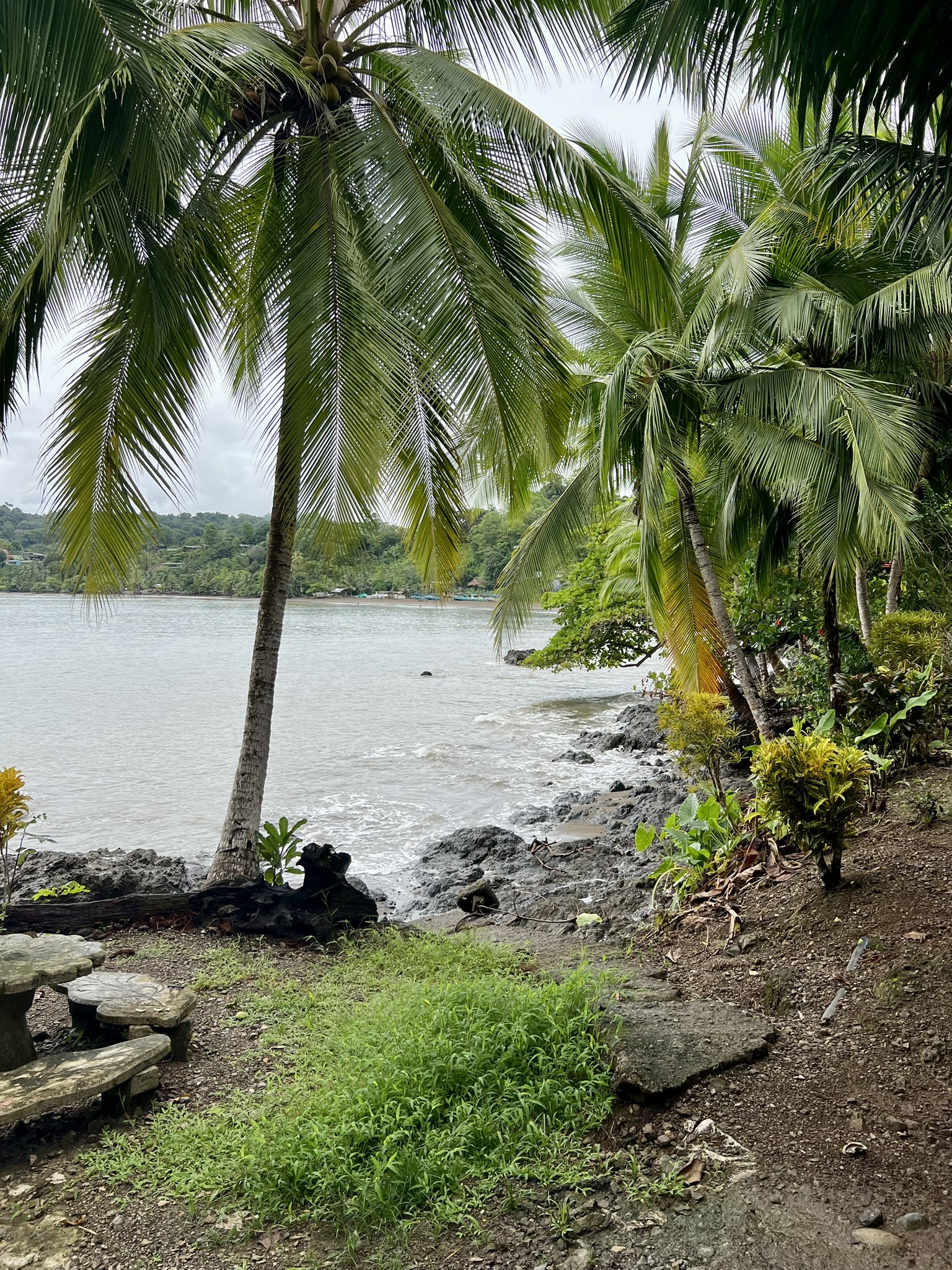
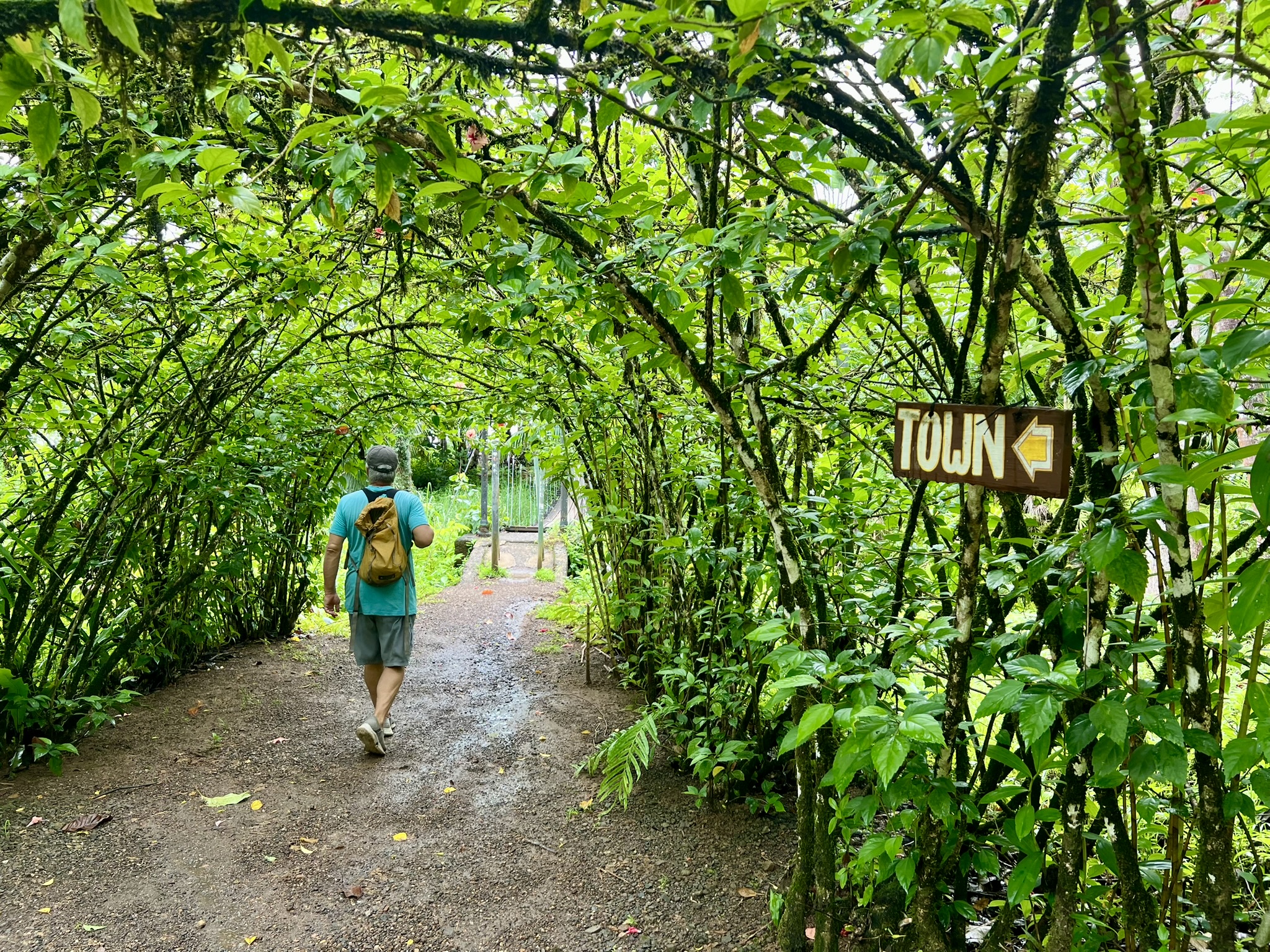
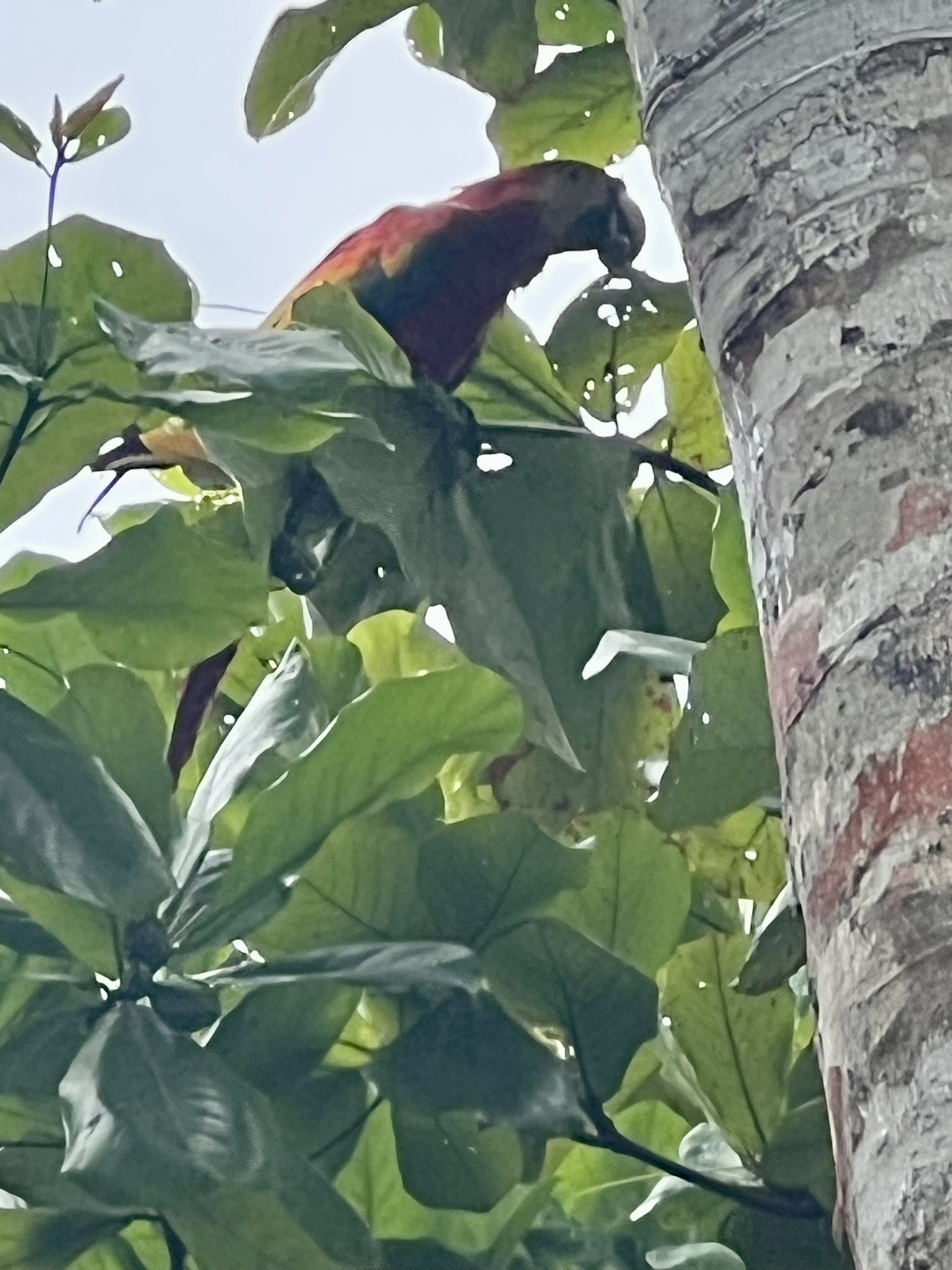
Corcovado is immense, and, limited to just walking, we saw as much as we could. Several weeks later we continued north with no little ambivalence: we’d enjoyed the park but knew we’d only scratched the surface. There’s so much to see in Costa Rica, but Corcovado is stunning!
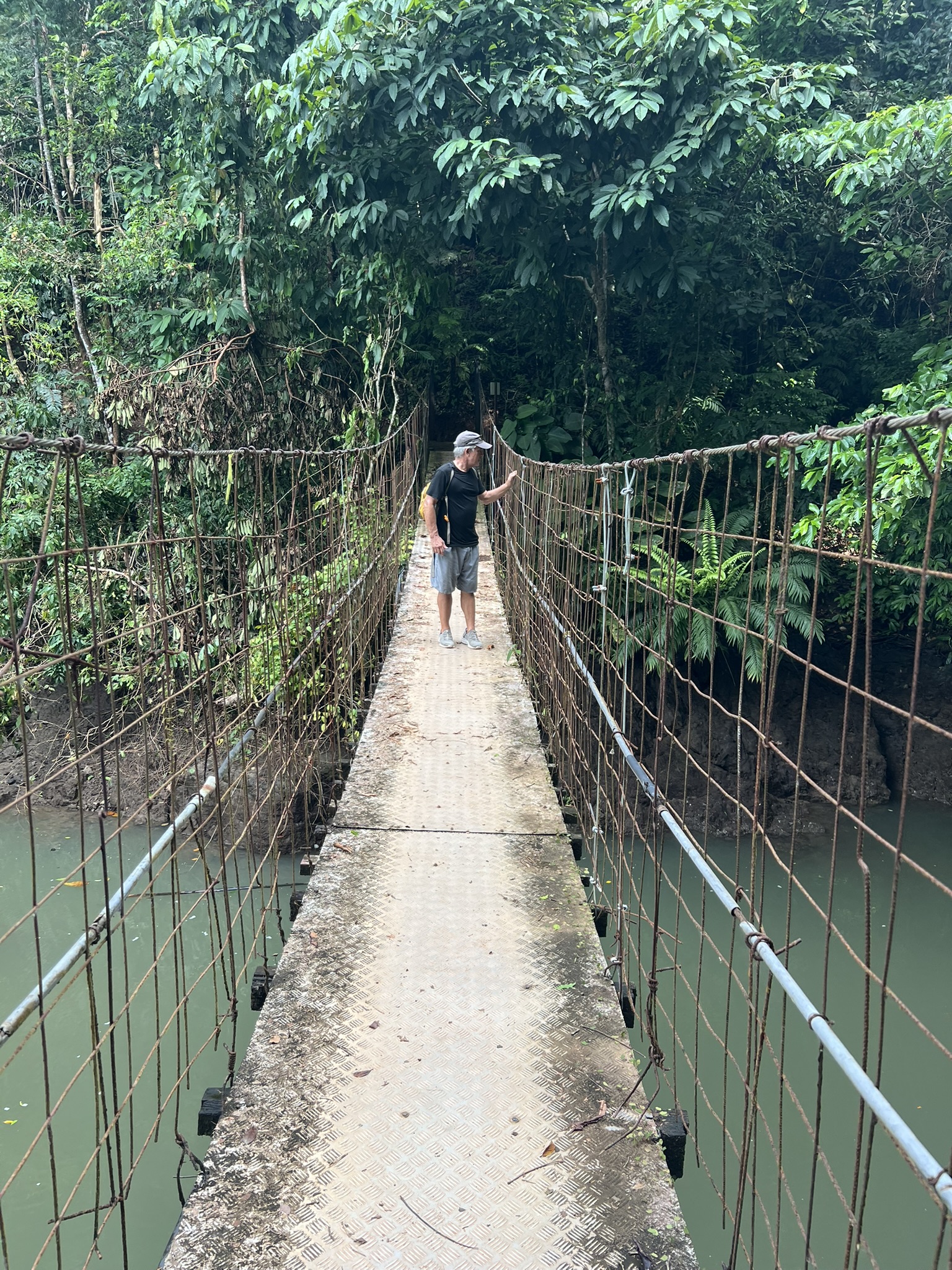
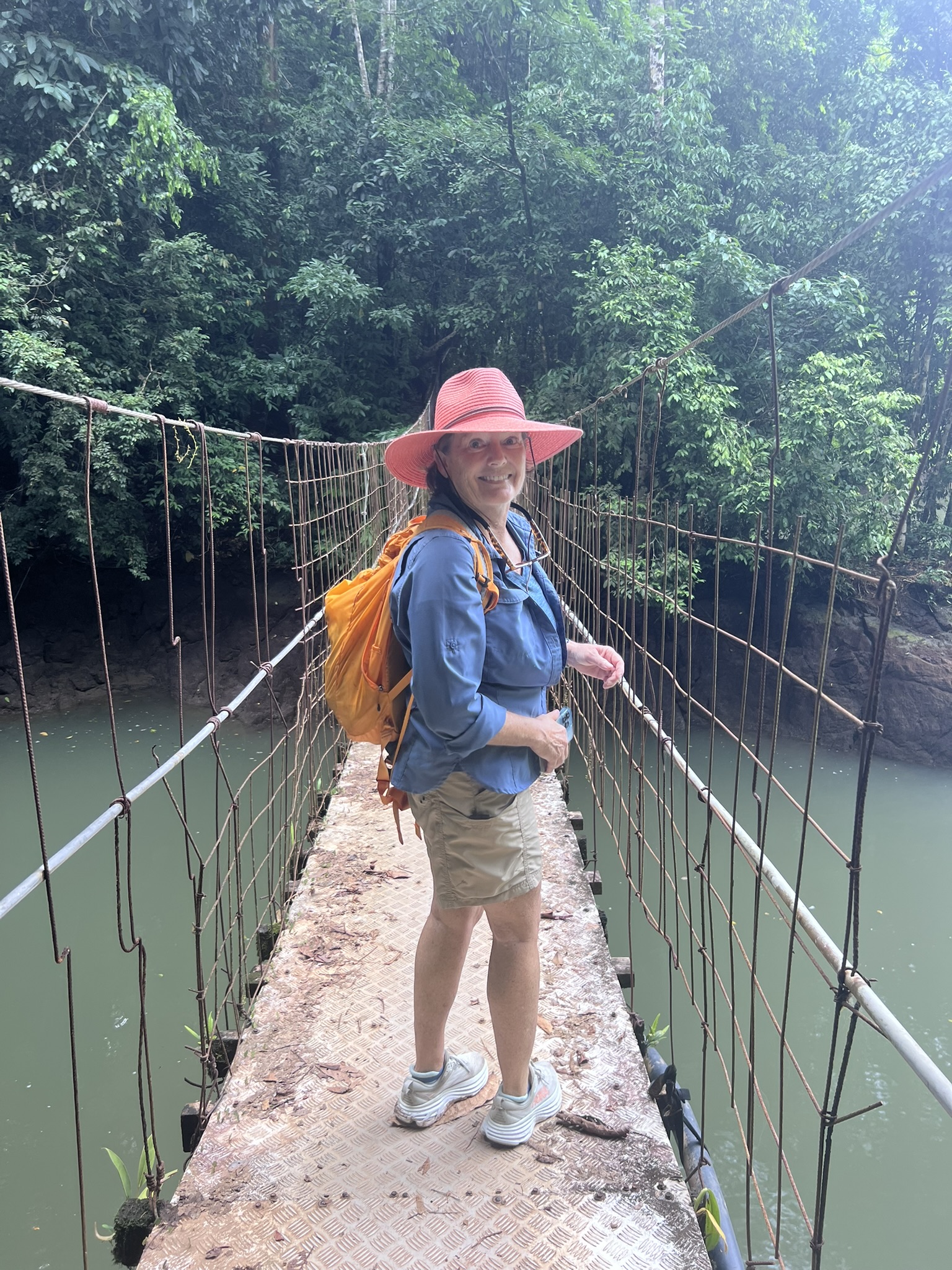
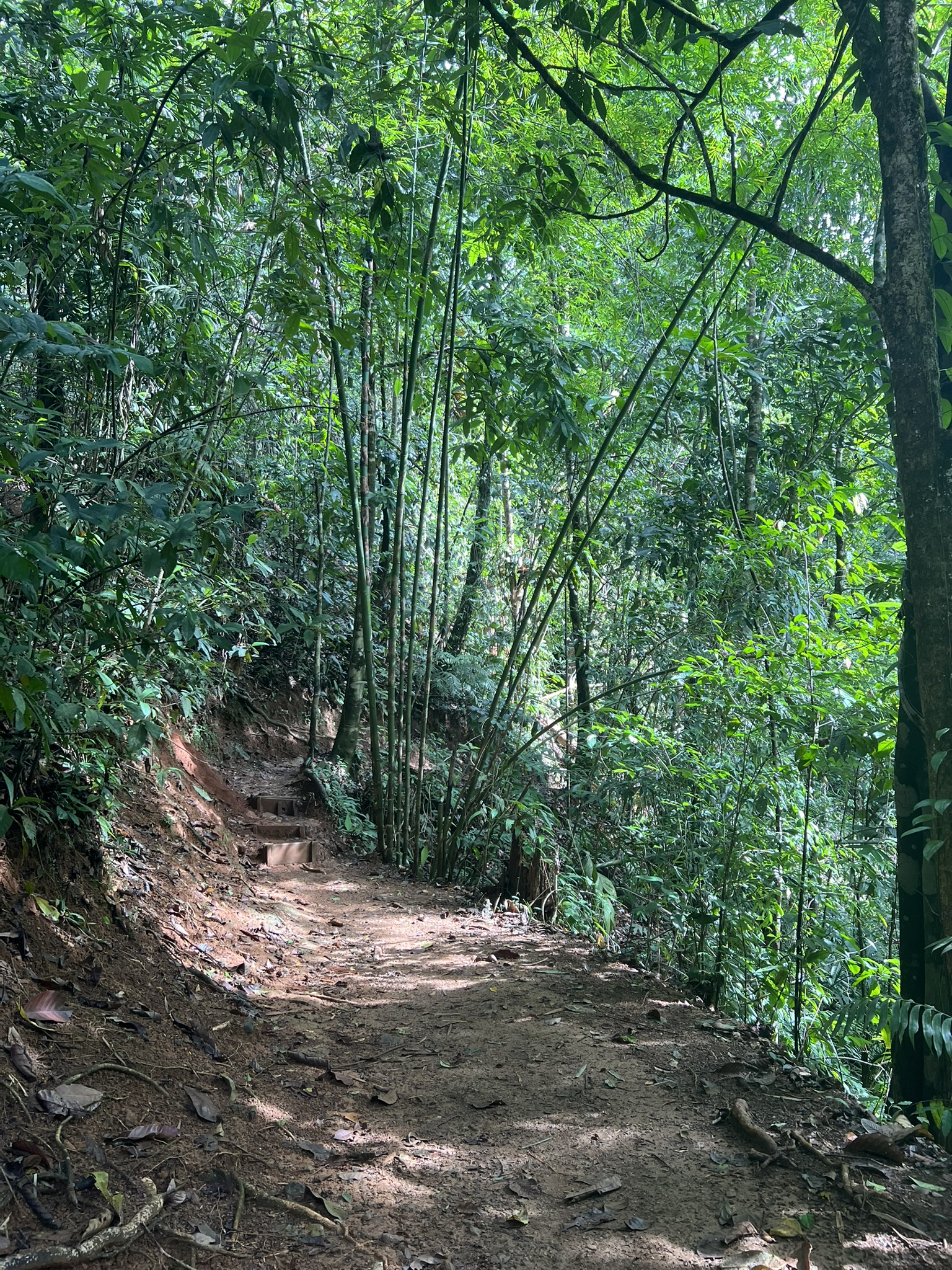
Quepos, our next stop, was a long day of bashing against wind and waves and an hour of cowering in the cockpit as a massive storm blew over us. I haven’t mentioned the storms yet, have I? In Costa Rica the rainy season starts in the summer, and “rainy season” means every day has a little sun, a lot of rain – usually in a brief amount of time – and then a little more sun. On repeat. The problem is that those usually brief but heavy rainstorms frequently come with giant “anvil” clouds, high winds, terrifying bolts of lightning and deafening thunder. The stretch of coast between Drake’s Bay and Quepos statistically has the highest number of lightning strikes in Costa Rica, a fact not lost on us on our dash north. At one point Peter simply put the engines in neutral to stop our progress, then the storm, which had been following us north, could pass over us more quickly and take its threats with it. Almost every night had some kind of scary meteorological activity, but more often than not that meant gorgeous sunsets as well.
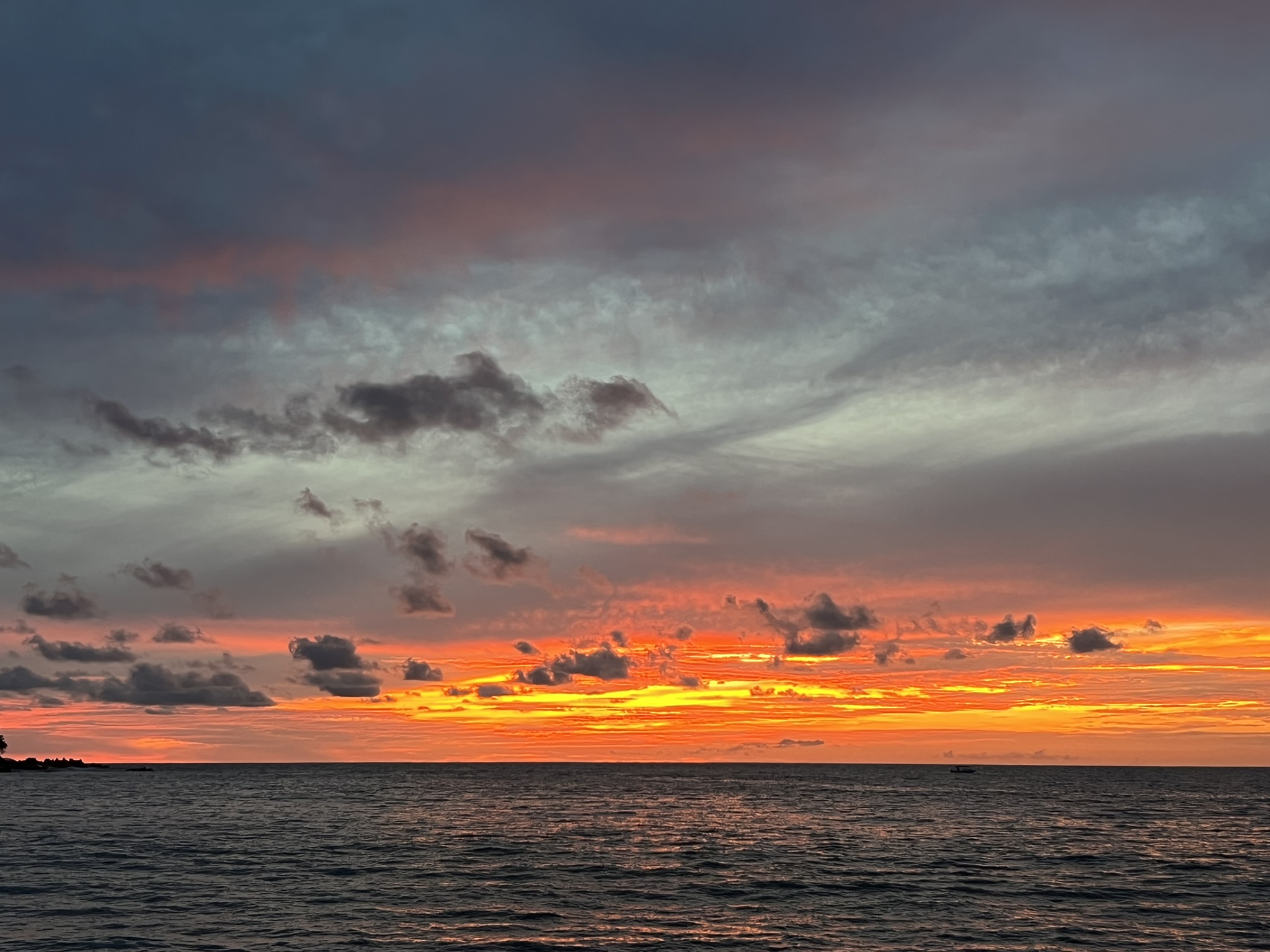
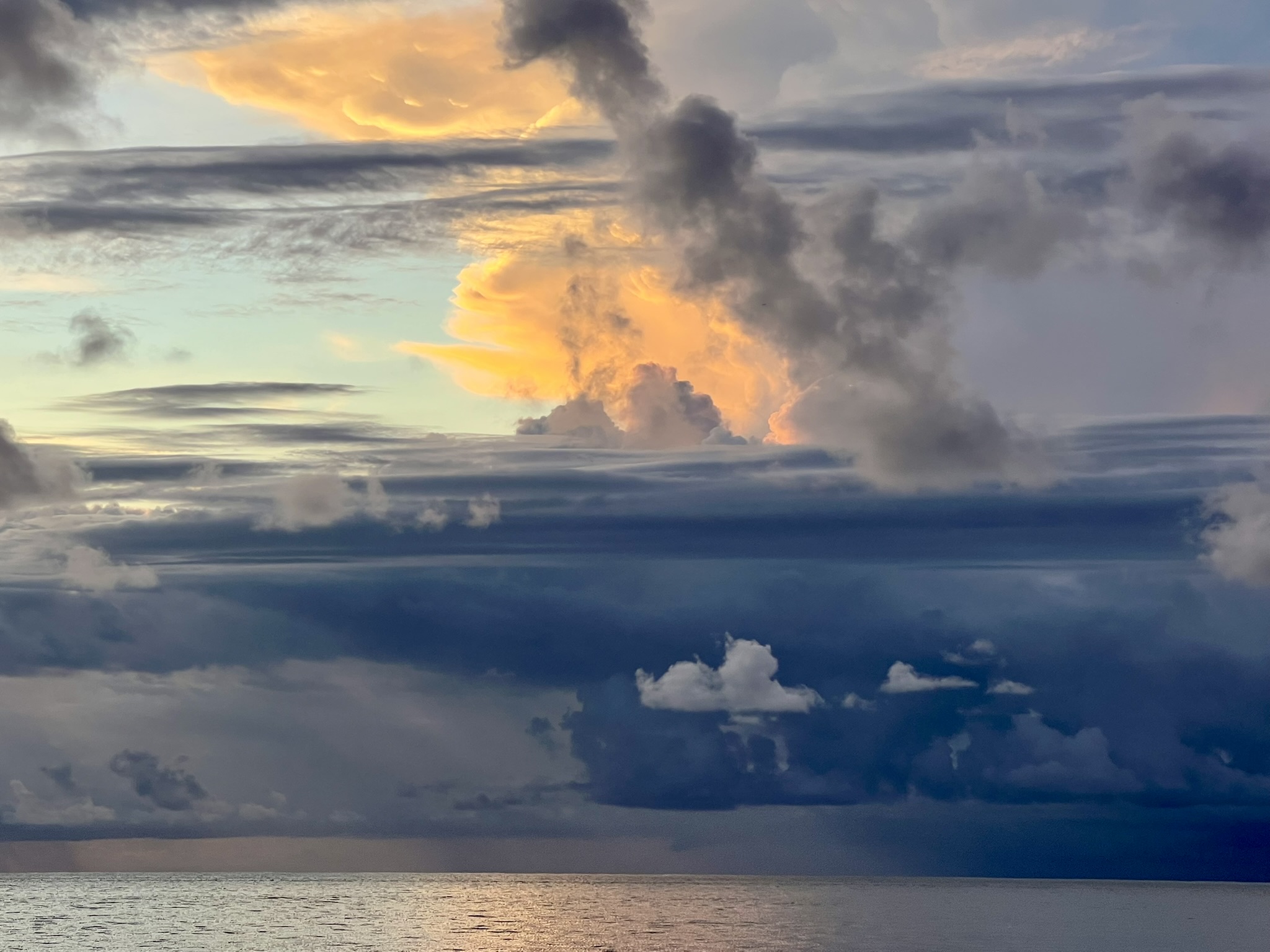
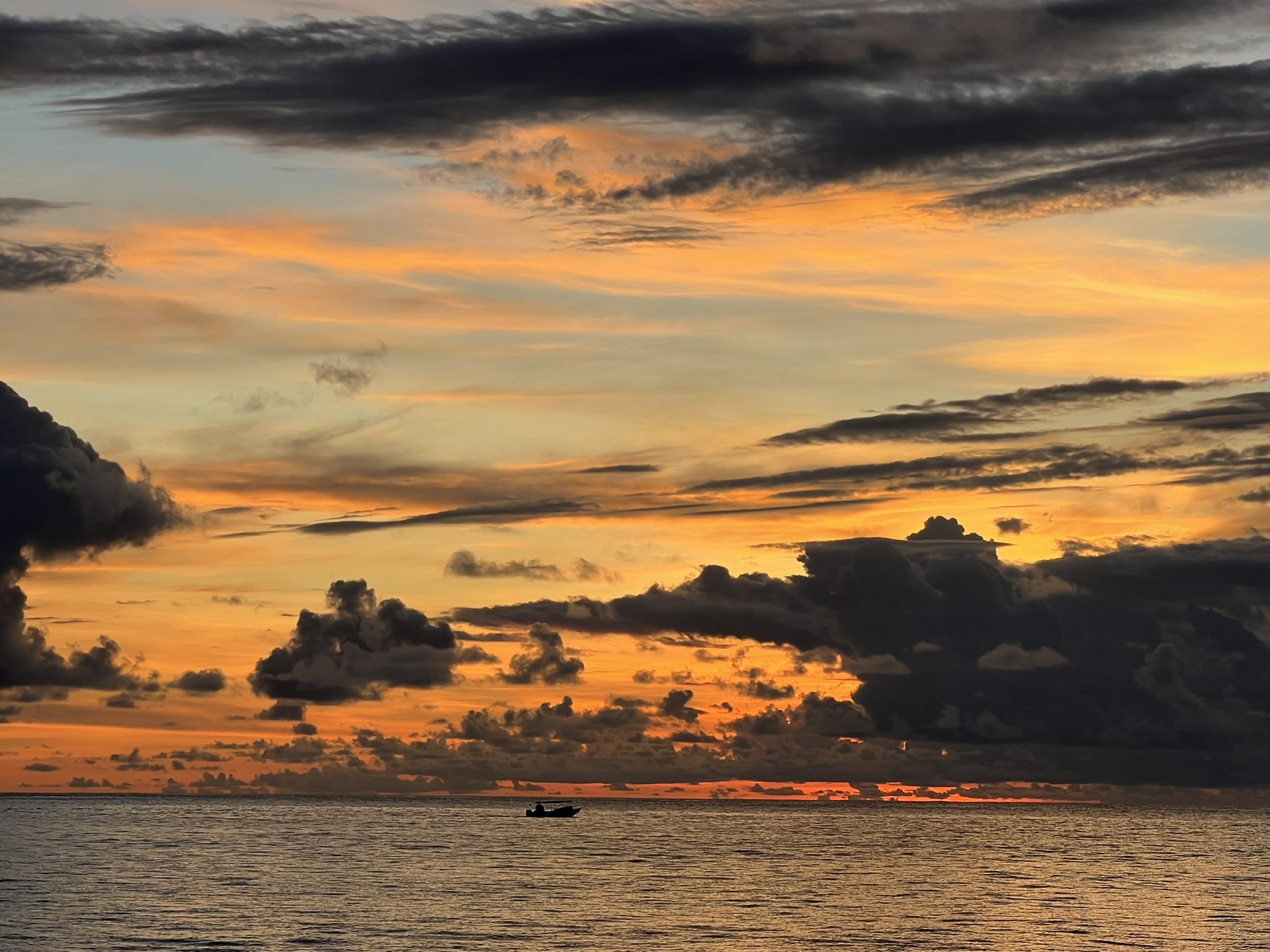
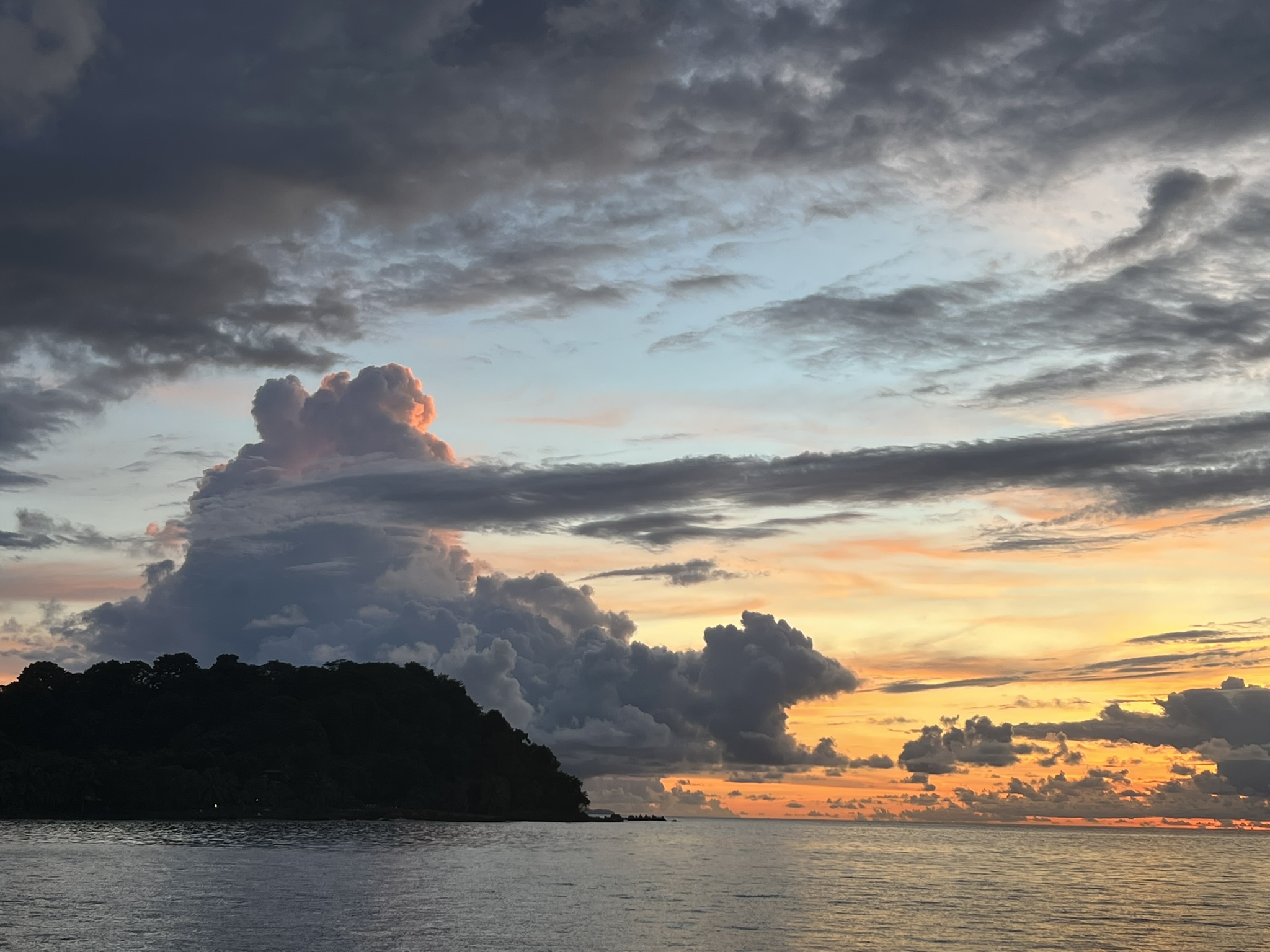
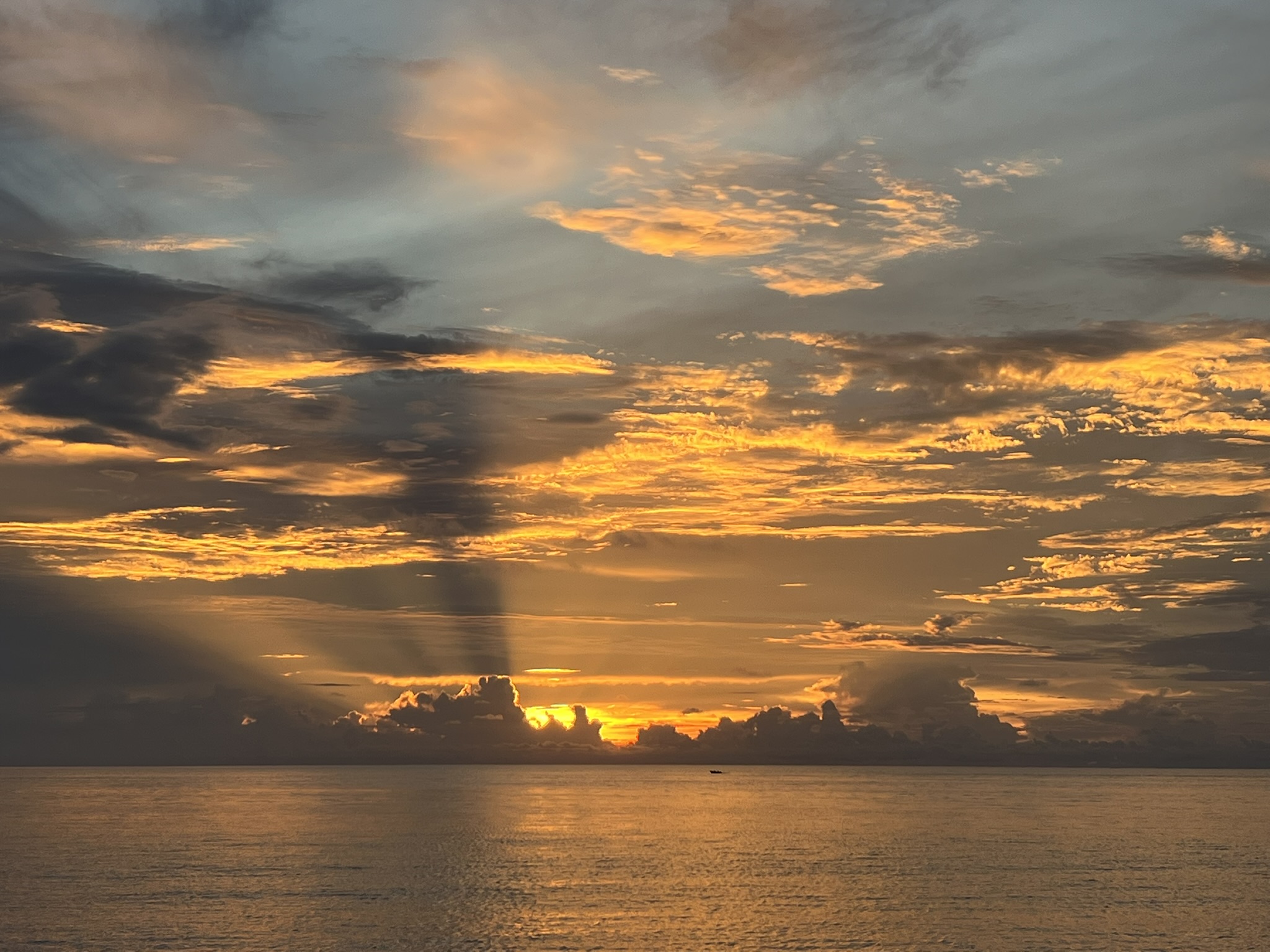
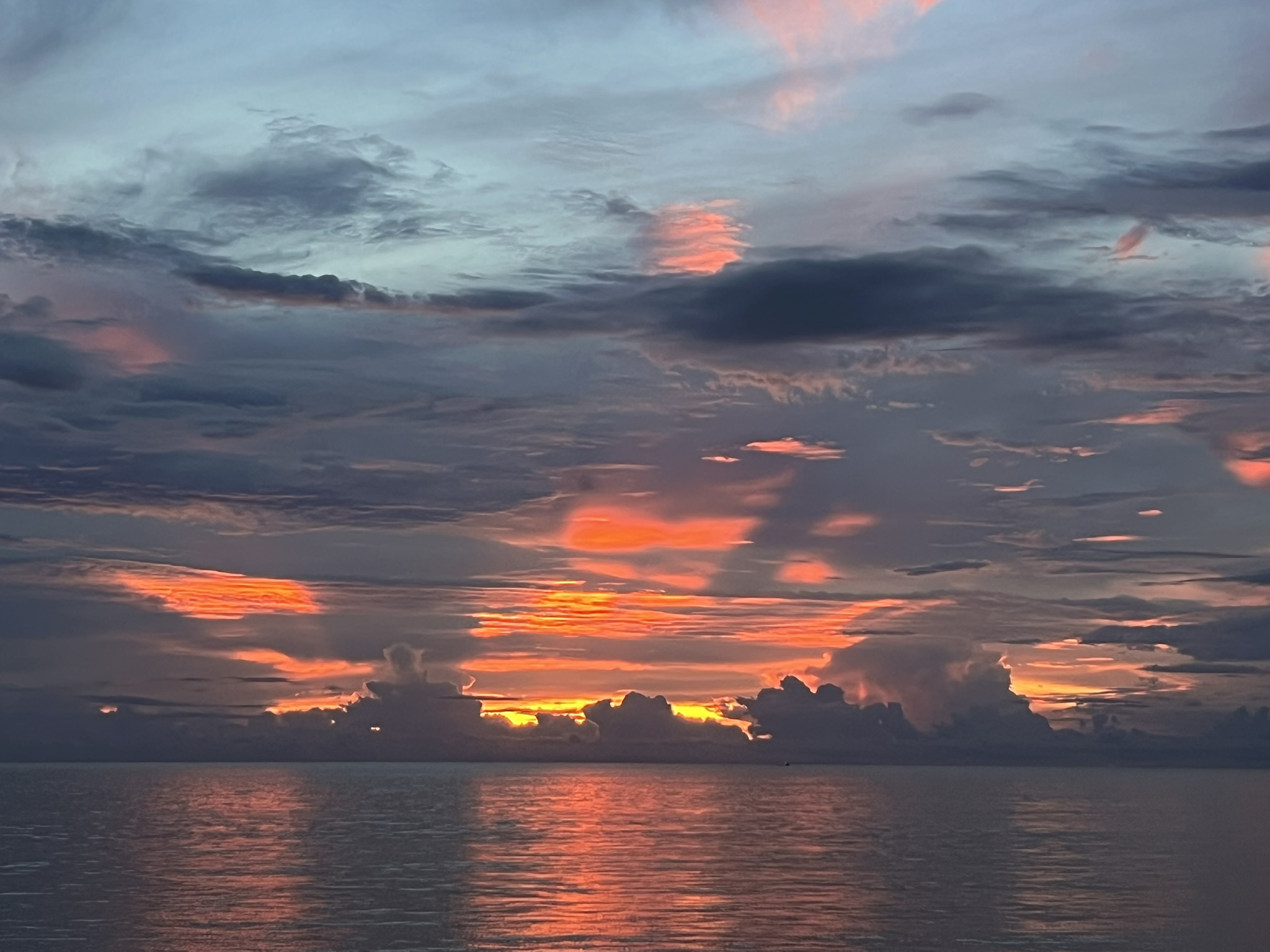
We reached the anchorage at Biesanz Beach, just south of Quepos, toward sunset, and nestled close to the beach inside the ring of small, scattered rocky hazards (only truly visible at lowest tide). It was the beginning of a long, blissfully relaxing few weeks. What we found out soon enough was that we would have no choice BUT to relax.
UP NEXT: Are we old yet?