
Colombia to Guna Yala, Panama
We left Denver for a brief visit to Charlotte to see Peter’s mom Suzy, and Brooke, who happened to be visiting from her new house in the Berkshires. We flew from there into Baranquilla, Colombia, picked up a rental car and after a modest provisioning stop, headed straight to the boat at the marina, Puerto Velero. The marina is well outside of the city – a good hour and then several miles down a tiny road off the highway in fact – and includes an upscale if largely empty hotel and pool. We essentially dumped our bags, then left the next day for a few days in Santa Marta.
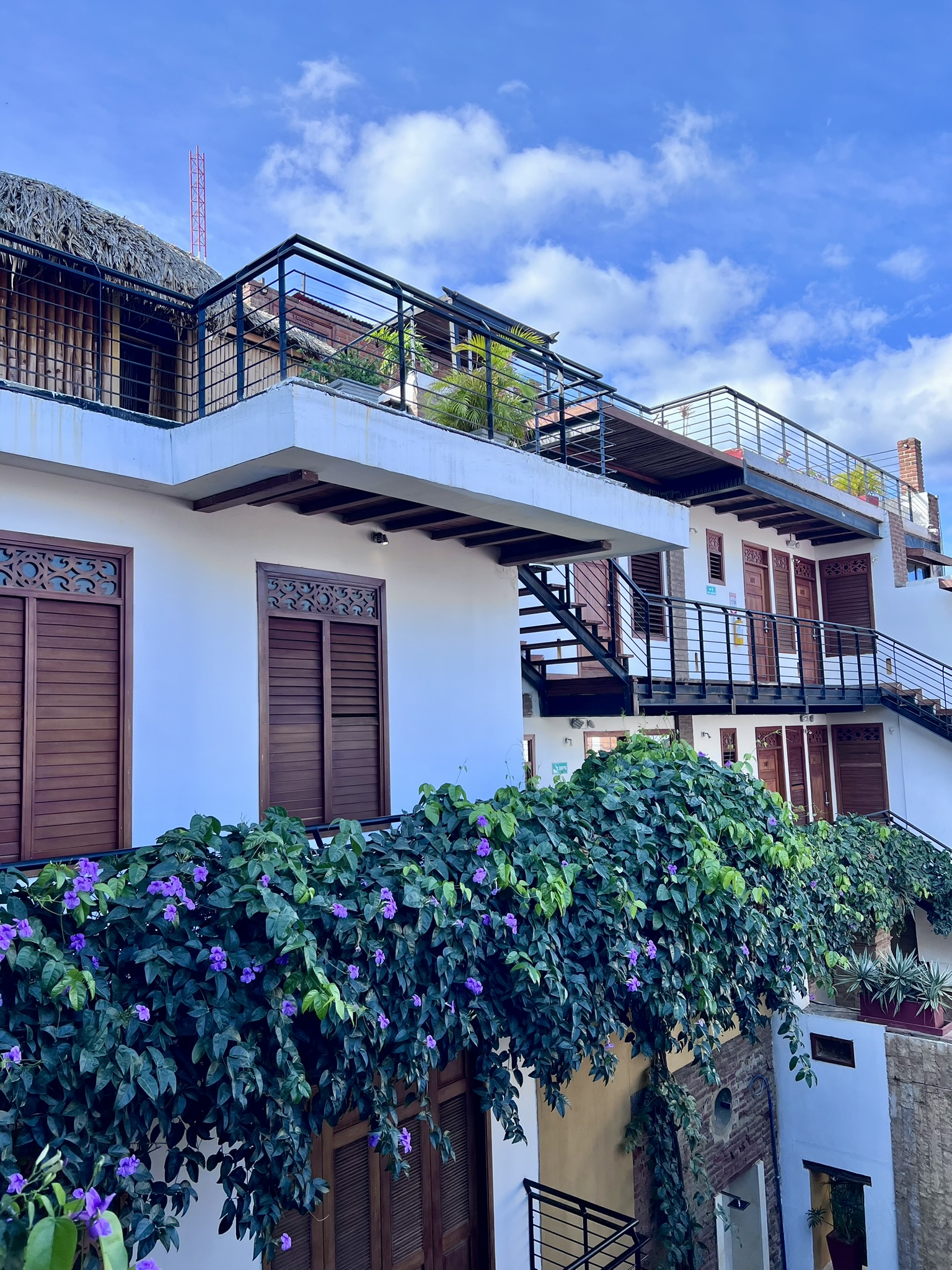
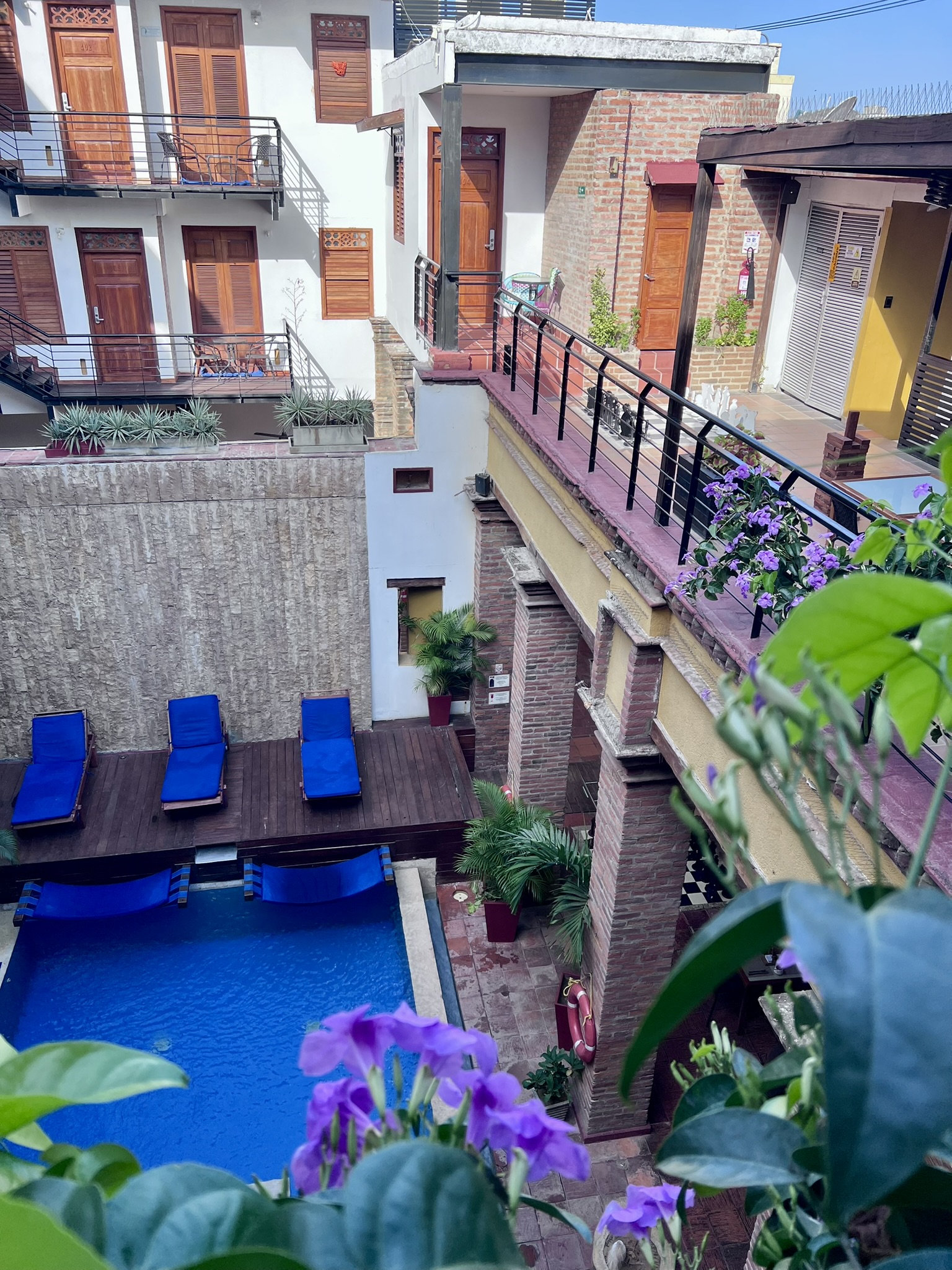
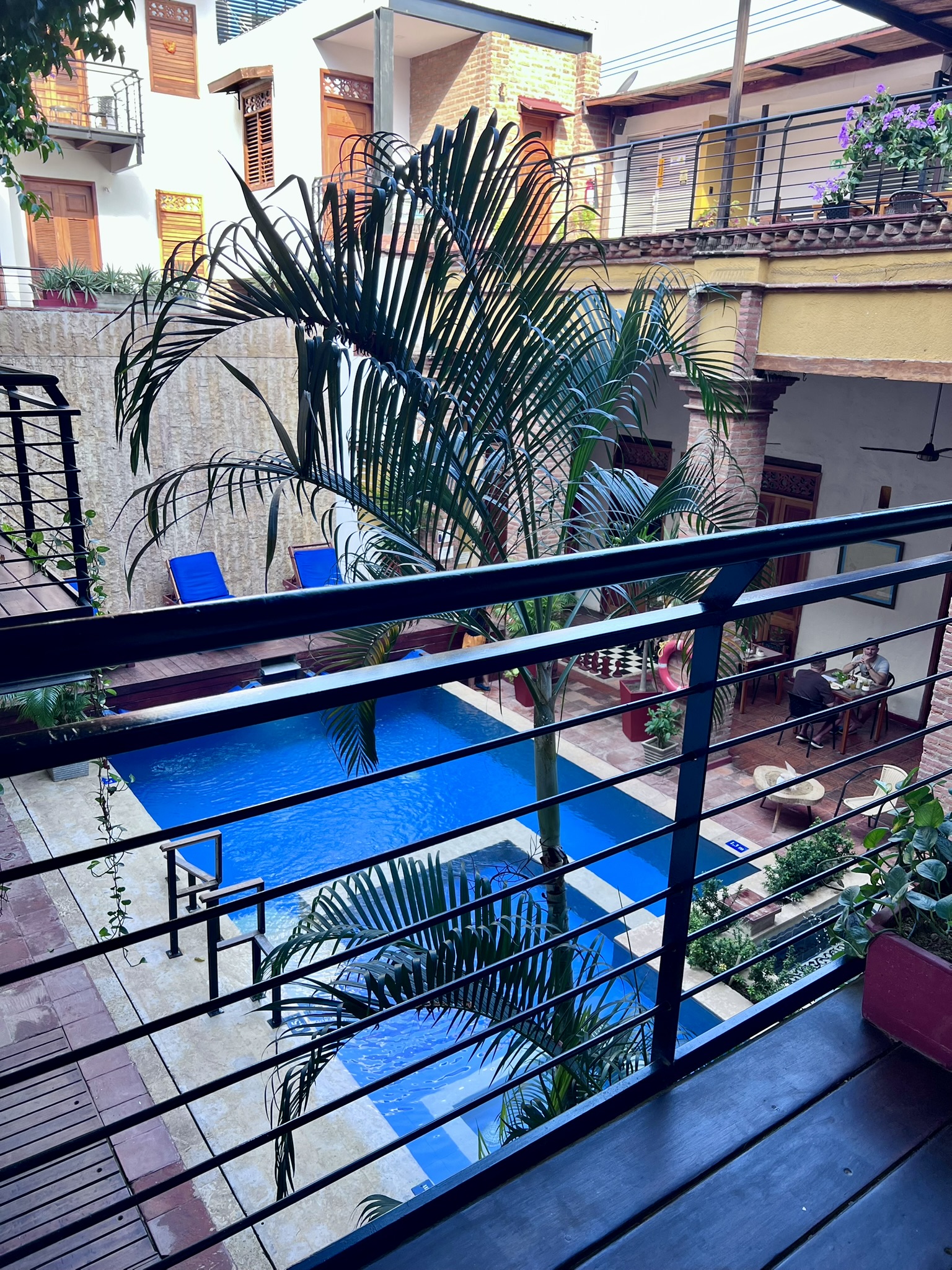
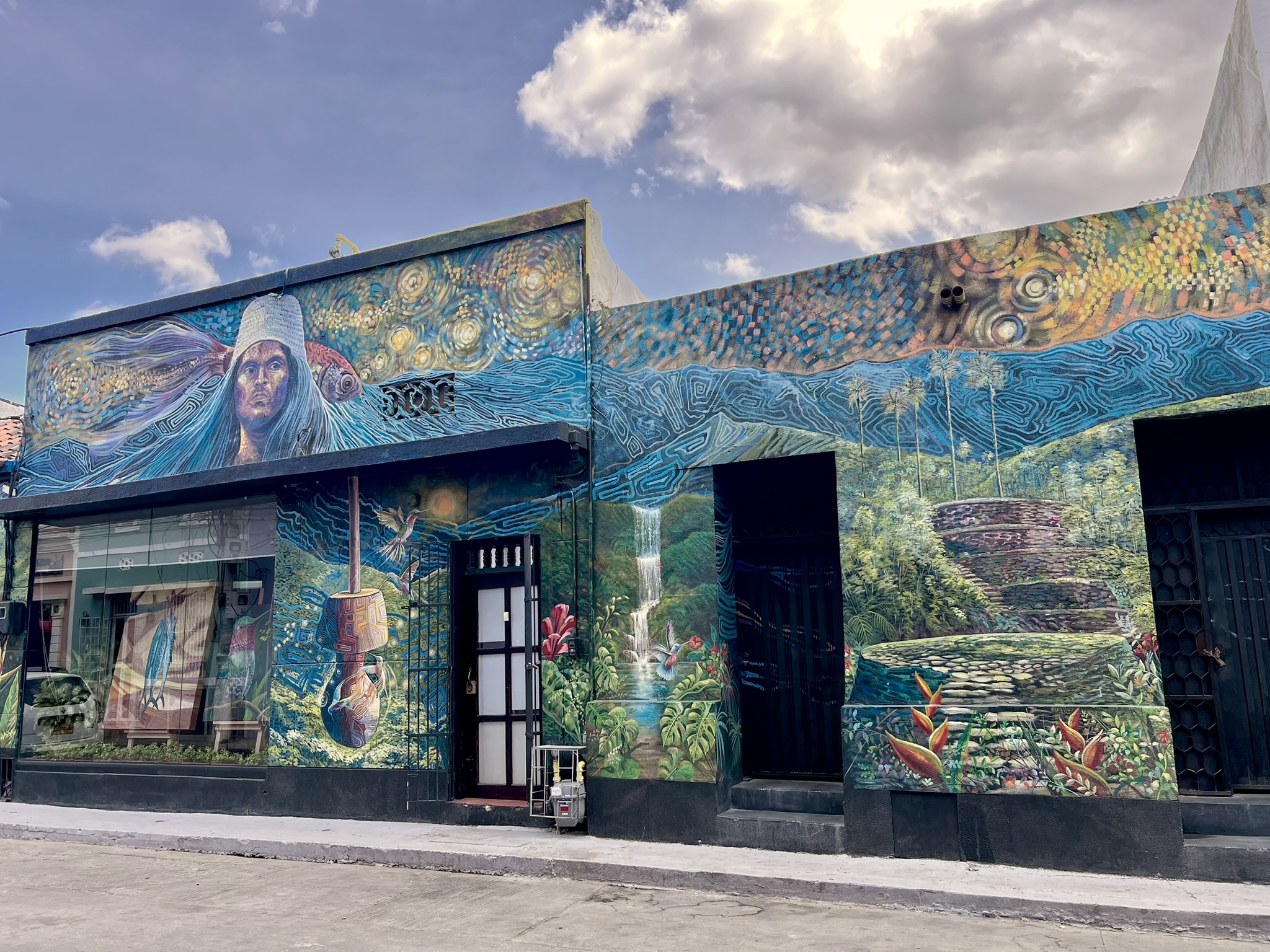
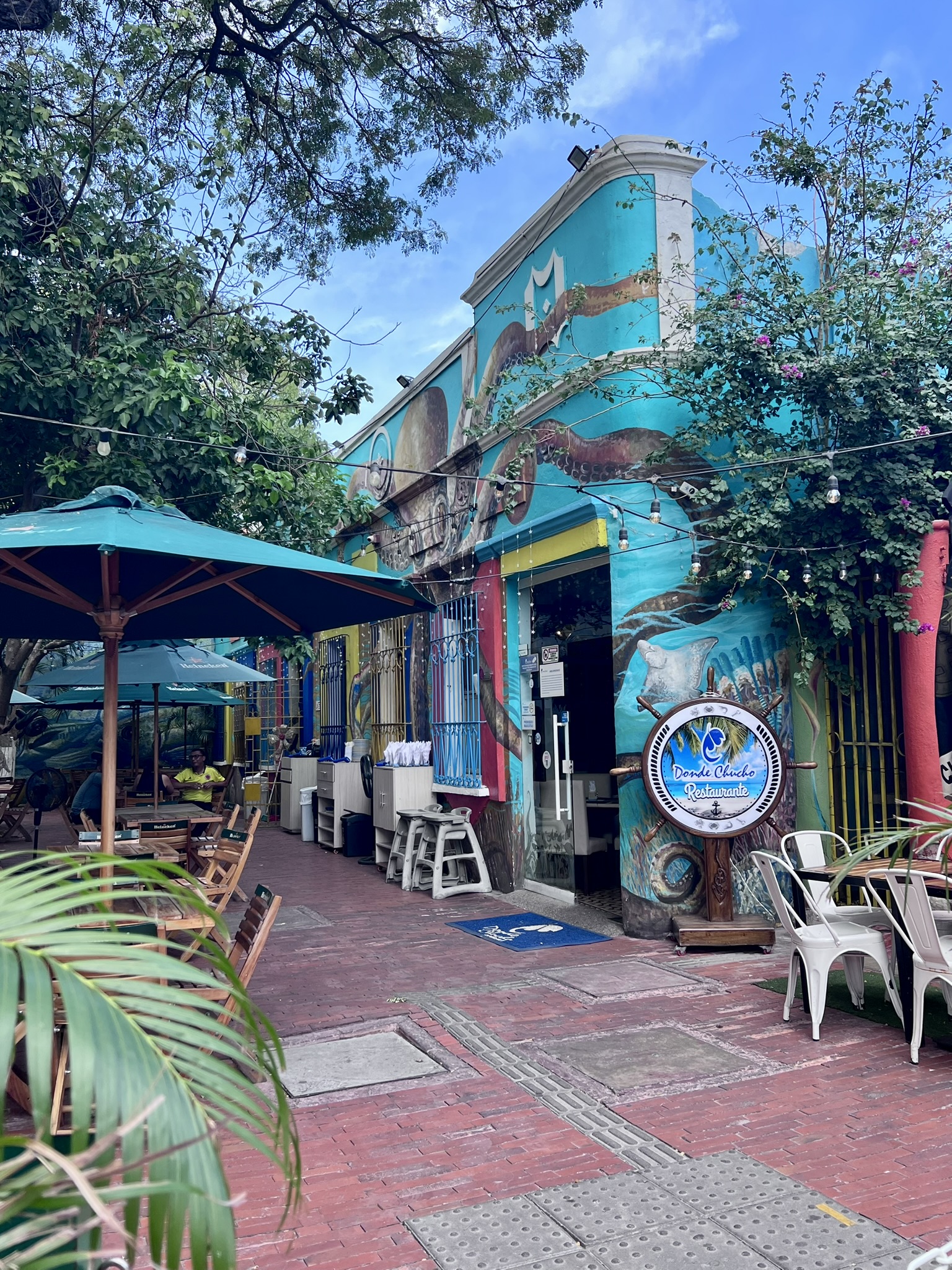
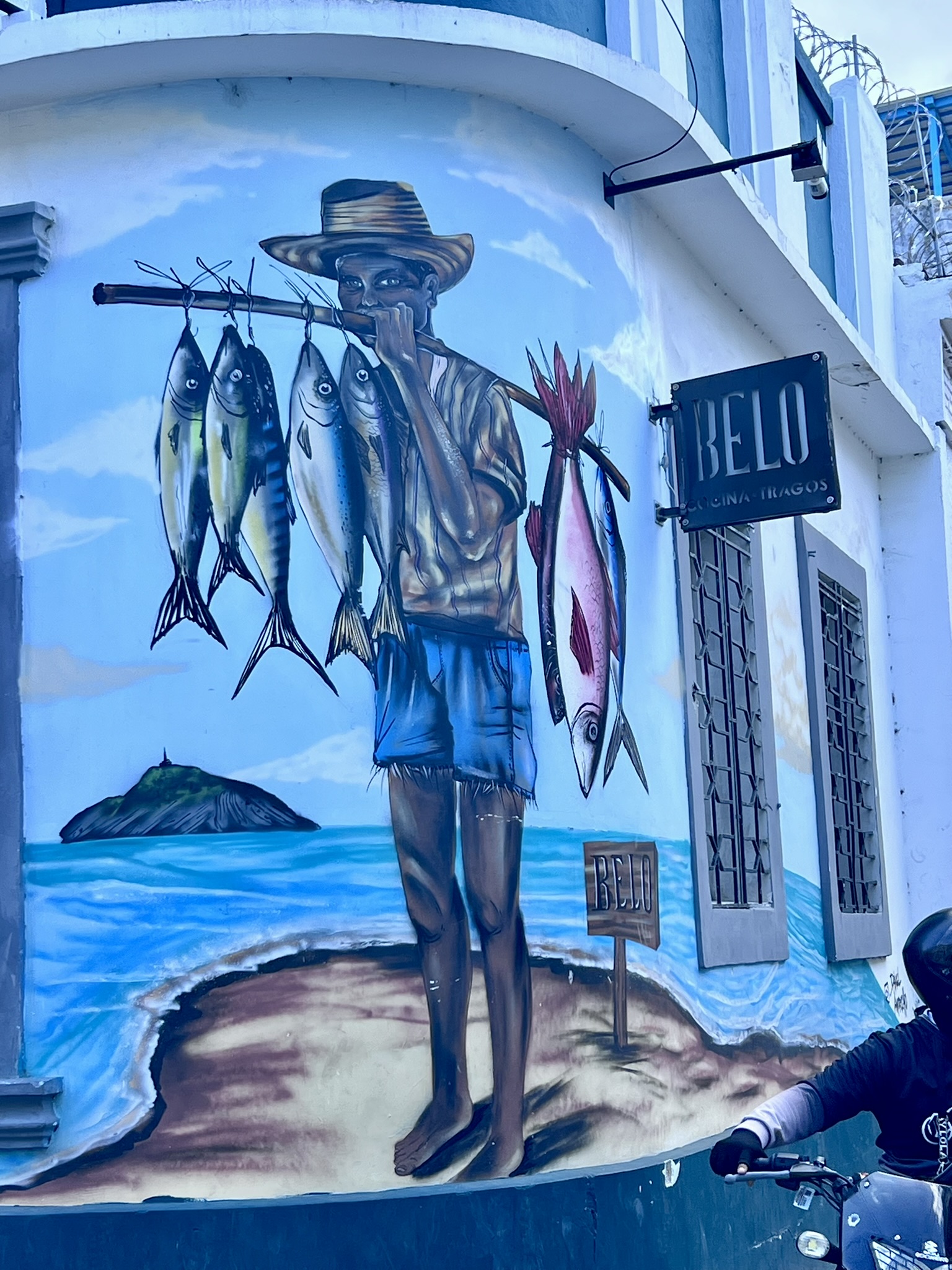
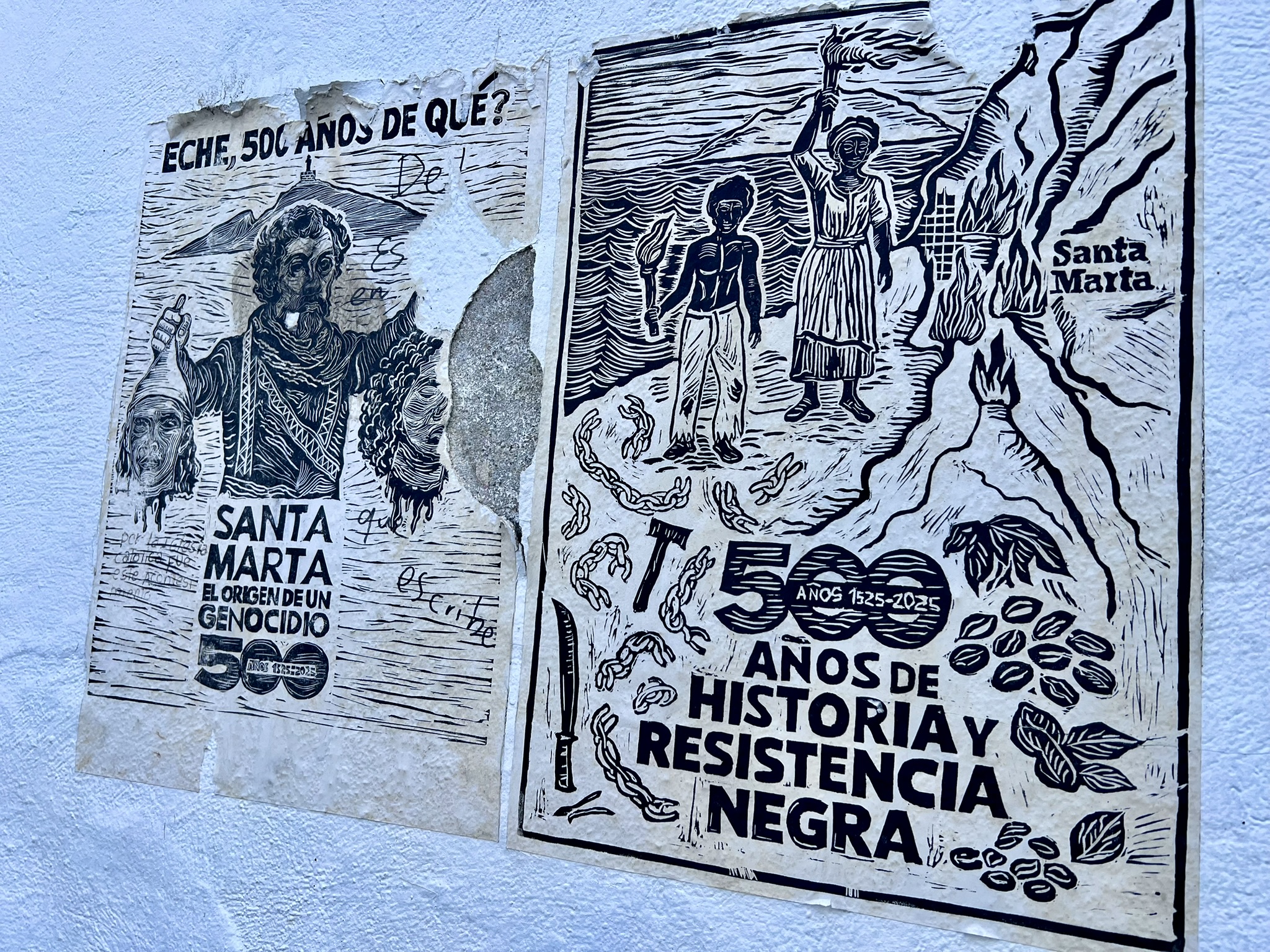
Peter had enjoyed Santa Marta when he was there before, and we’d both heard wonderful things about it from my cousin’s wife, Carolina, who is from there. It lives up to the hype. We stayed in a beautiful recently refurbished old hotel, Casa Carolina (!), and spent our days walking around the city, going to museums, and eating every chance we could. I’m a big, big fan of arepas. The waterfront is lovely with its view of the sea, all the boats, and the plazas and restaurants dotted along it.
We drove 40 minutes up to Tayrona National Park early one morning and joined the massive queue for day passes at the gates. It was entirely different from anything I’d experienced at a national park before and took quite a lot longer than we’d read. But we eventually got to a parking lot well inside the gates and began walking along a path toward the coast. While we dawdled and strolled, we were passed by large groups of Colombians of all ages making their ways purposefully down the path, laden with tote bags, coolers, beach umbrellas, and beach chairs, and doing the whole 3+ mile trek to the coast in flip flops. I was impressed!
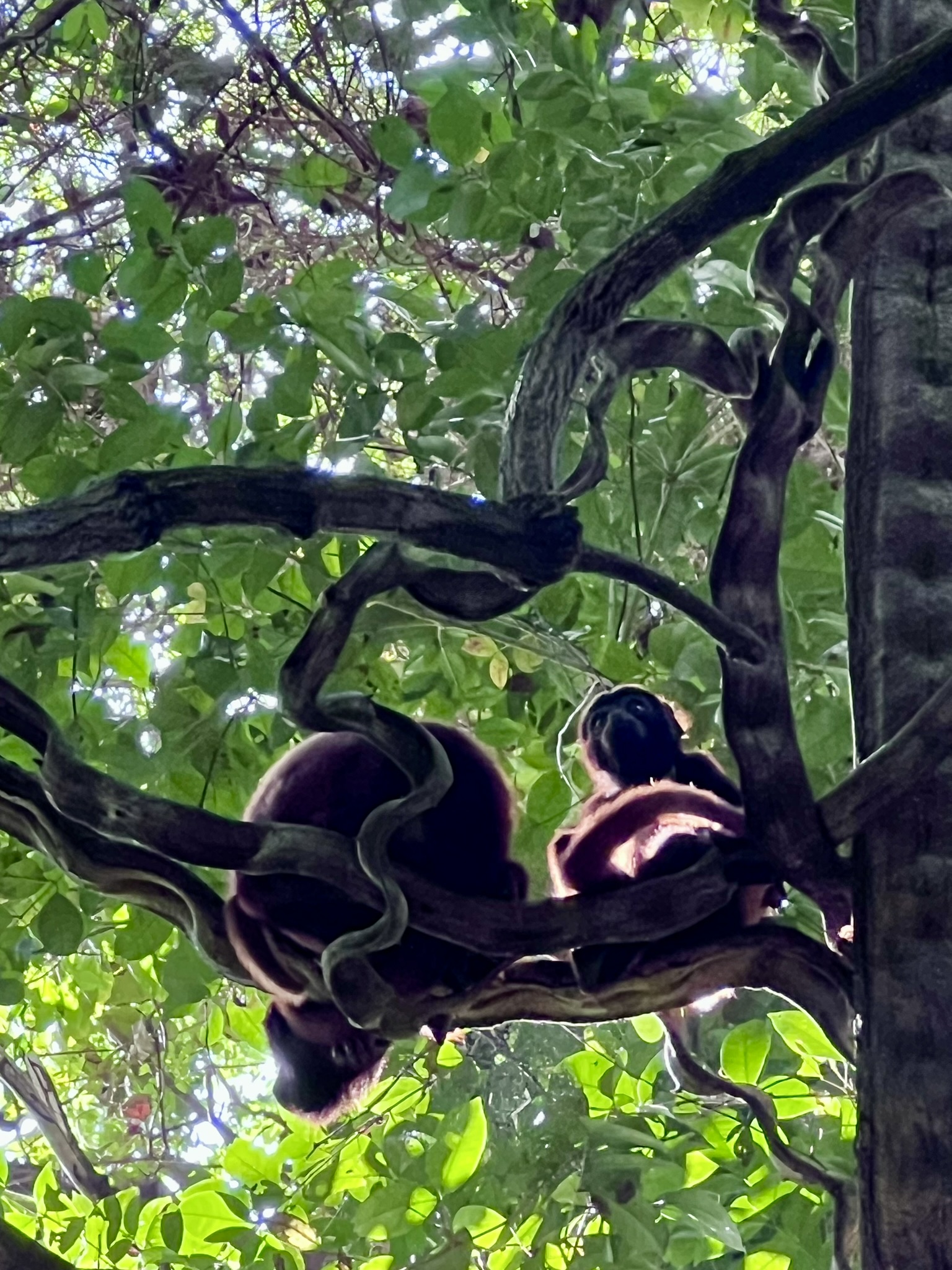
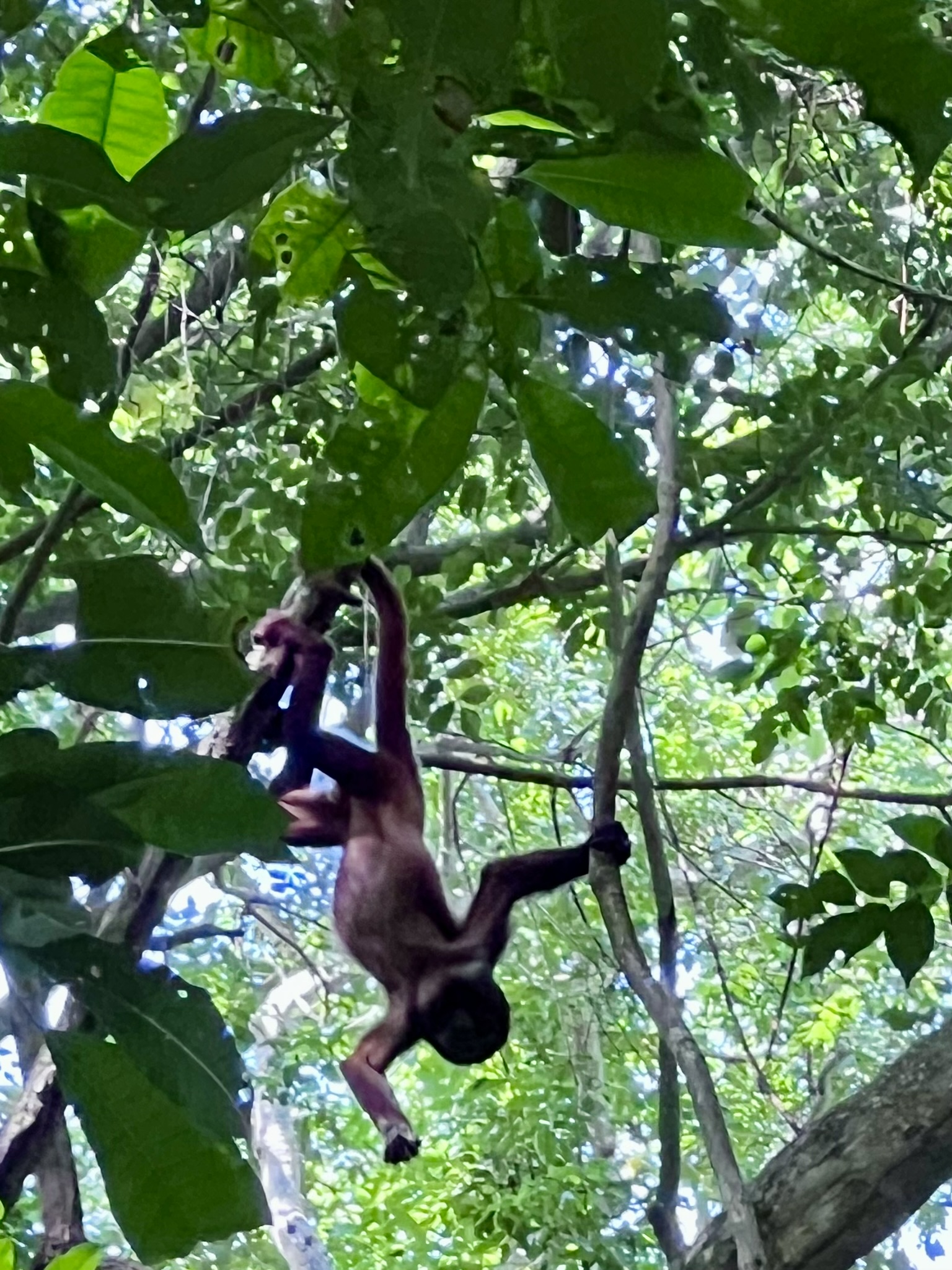
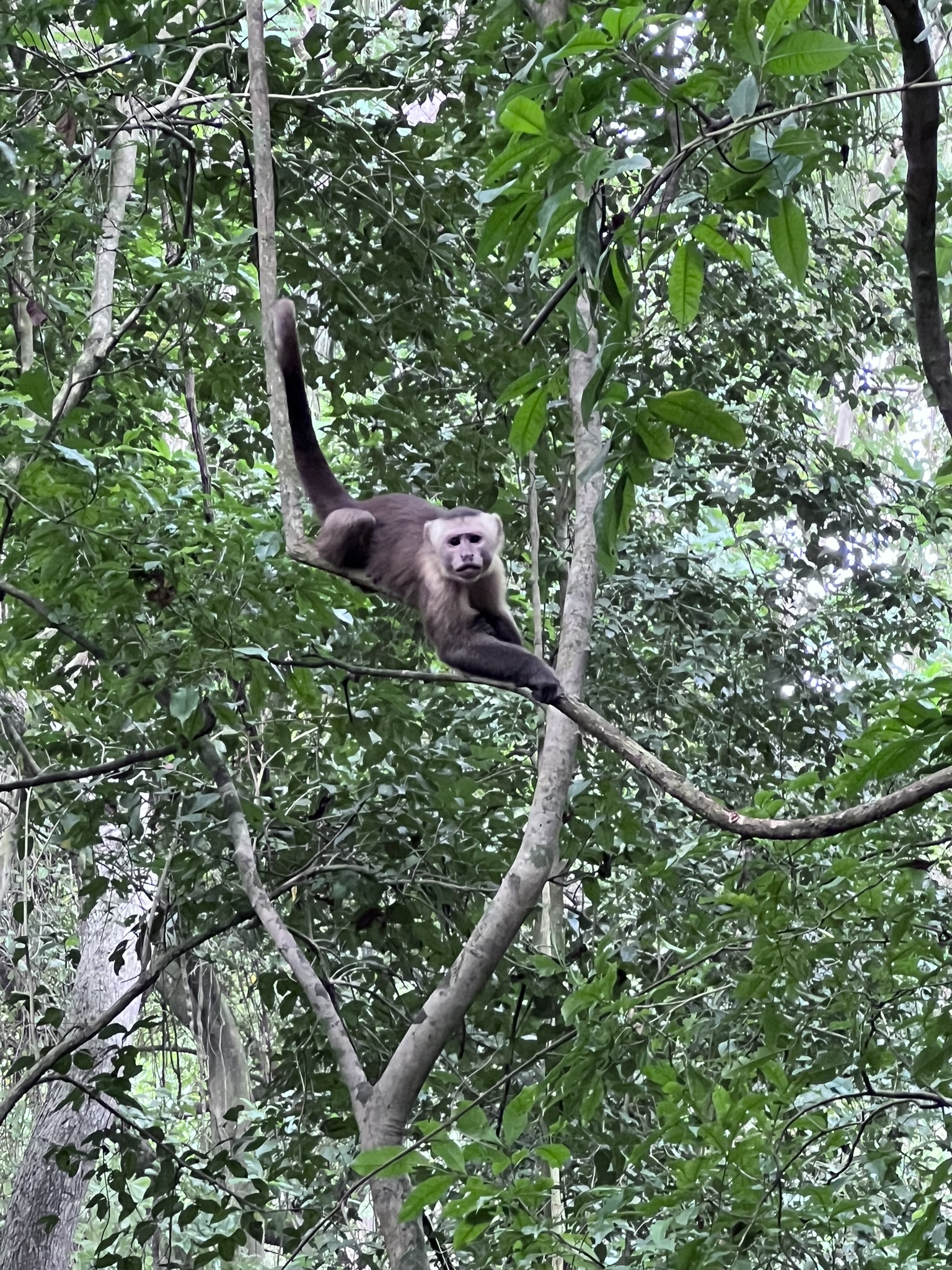
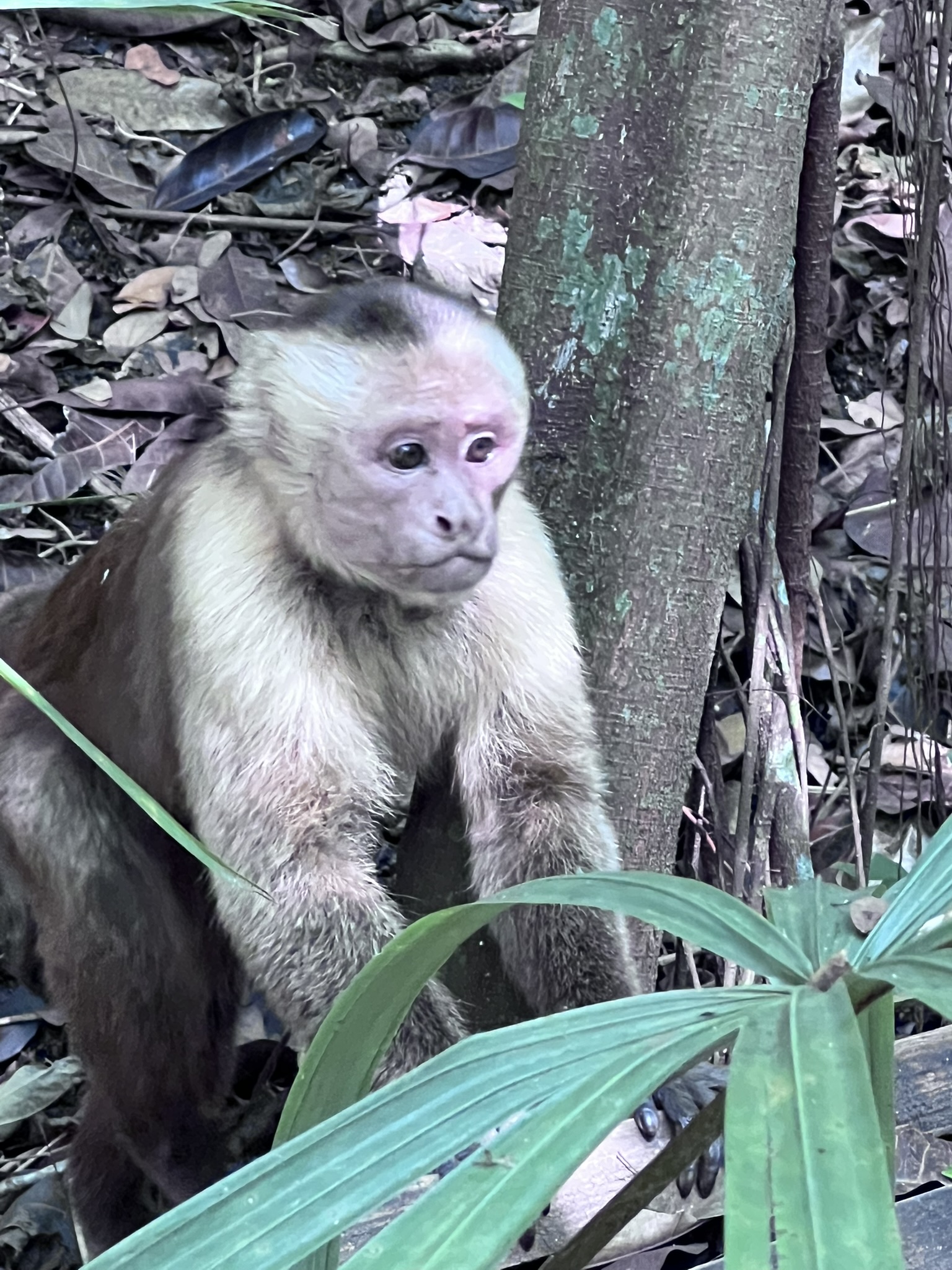
The first thing you hear, in addition to a moderate amount of birdsong, are the howler monkeys. They’re remarkably loud for being such relatively small creatures and can sound very angry when they want to. There were also Santa Marta white-fronted capuchin monkeys who were very curious and willing to come in quite close to find out what you might have to give them. We didn’t have binoculars with us (ooops), so getting a really good view of any birdlife was hard, my ankle was aching, and eventually after a slow couple of miles we called it and turned for the car.
After a giant provisioning run in Santa Marta, we returned to the boat to put it to rights before leaving within a few days for Panama. Instead, we got locked into weather jail.
More than a week later we finally got the window we needed to leave, though not before our immigration agent at the hotel told Peter (as he was packing up the passports she’d just stamped!) that we also needed to go into Baranquilla to complete our checkout at the immigration office there. This was at 4:30 in the afternoon the day before we were finally going to get out of there. A hastily arranged and ridiculously expensive taxi ride later we met an immigration official outside the closed immigration building at 6 pm and waited while he took care of the formalities inside. Legal at last, we left early the next morning.
The three-day passage was largely uneventful, which was a nice change for both of us. We got into Obaldía on the southern tip of Panama about mid-day. There wasn’t a protected anchorage, just a wide-open harbor with deep, iffy holding. In high winds and seas. Again, there’s little stopping the swell that crosses the Atlantic ocean from Africa’s coast, and between the waves and the wind we were in a washing machine on a roller coaster. Peter immediately took the dinghy in to check in to Panama at immigration and returned an hour or so later with the news that I had to go in as well to be fingerprinted. Getting in and out of the dinghy was treacherous, with the boat heaving up while the dinghy was going down, and the pier was so high that I needed to climb up onto it with the boat’s painter while Peter tried to keep the dinghy in place. Who knows how he managed it on his own before.
We had a nice chat with the immigration official, who never fingerprinted me, then took some time to walk around the little town. There were new army recruits being inspected on the pier, and people sitting in the shade of a few trees drinking beer and watching some young men play football on the wide green. We stopped to ask about a pink chicken in a cage outside of one house, and were told it wasn’t a genetic anomaly, just pink paint. Of course it was.

We stopped for a cold soda at the little shop near the green, then walked along the shore on our way back to the pier. Obaldía was a nice little town, even if its harbor didn’t suit us. Despite the appalling anchoring we had to spend the night there – the customs official needed Peter to pick him up at the pier and bring him out to the boat to inspect it the next morning.
After passing inspection – no cocaine, we promise! – we bashed about 8 nm up the coast before calling it a day and pulling into one of the few anchorages along that lower southern coast. A Guna man and his son is a dugout canoe waved us to a spot to anchor – I kind of followed his directions and kind of not – our charts didn’t fully agree with his directions. As soon as the anchor was set, he immediately boarded the boat then sat down in the cockpit and held out a rough woven grass basket with a coconut, a plantain, and some wilted cilantro, and said simply “$20.” I assured him we didn’t need his offering, but thank you very much, and so he got up and walked into the salon and asked for Peter’s sunglasses. While politely declining to part with his prescription sunglasses, Peter made conversation as best he could while I made him a cup of coffee, and eventually he left, only to return a few minutes later with a small bag full of molas he said he made. We bought the two we liked best and thanked him profusely. We didn’t see him again.


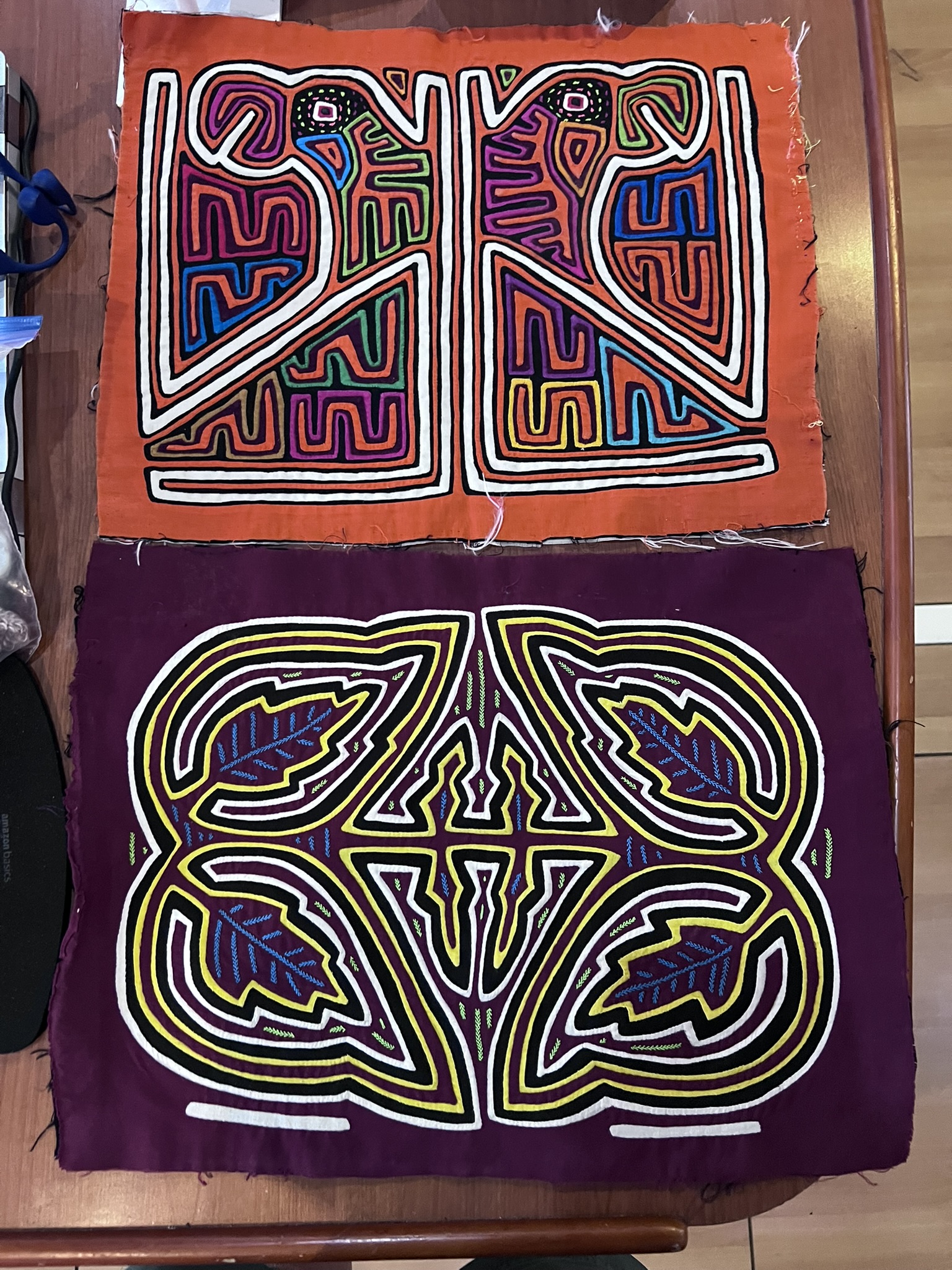
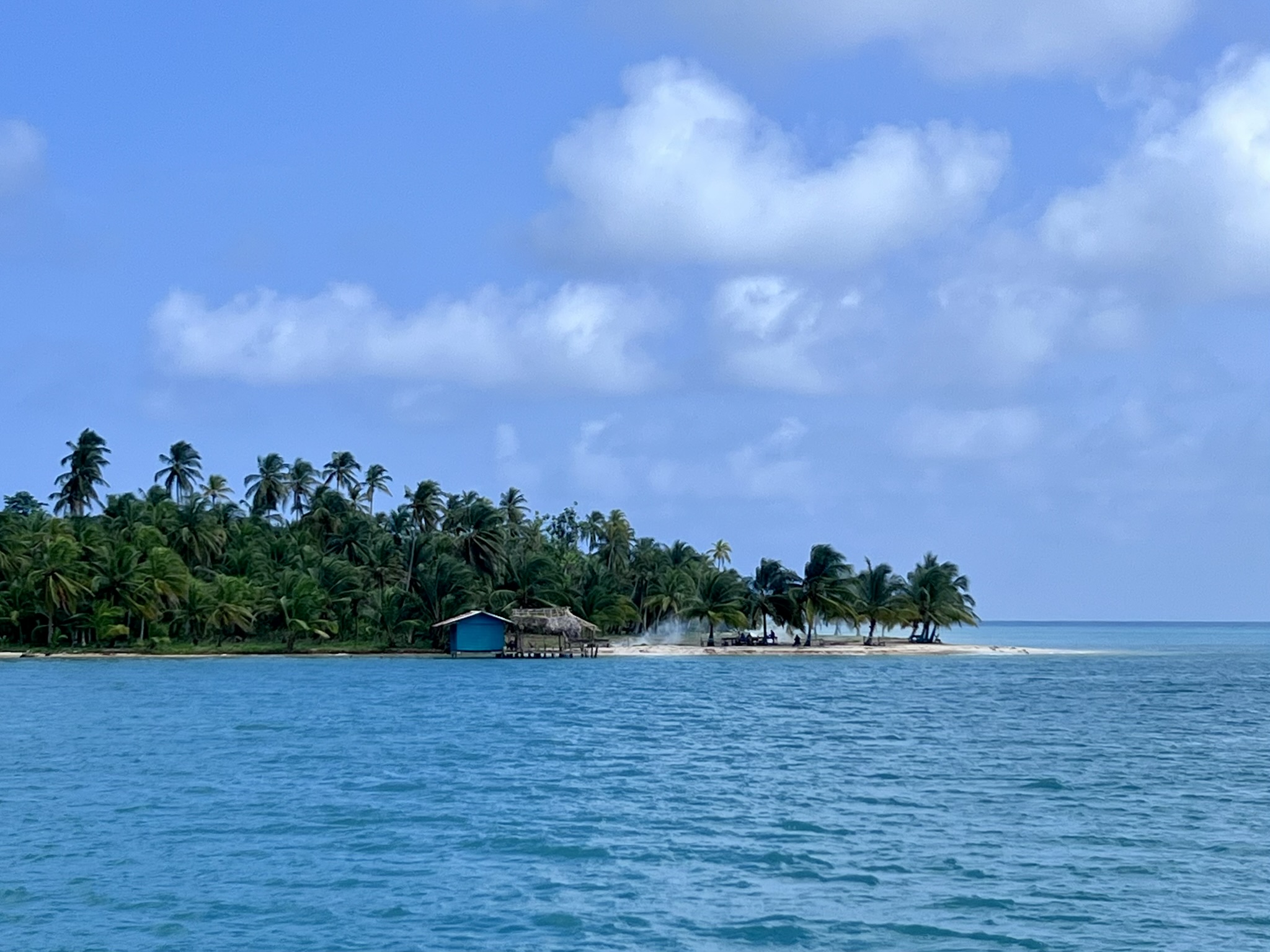
A repeat of the heavy swell, winds and waves on the front quarter the next day set the pattern for the hundred or so miles of Guna Yala coastline we needed to traverse to reach the area where we would pick up Kendall and Brad (hereafter “Brendall”) in less than a week. It was the most popular region within the area, with the heaviest density of Guna population and heaviest concentration of offshore islands. Guna Yala is the comarca indígena (indigenous province) of the Guna people, and while the name is no longer used officially or by the Guna, the area is better known to many outside of Panama as the San Blás islands. The province is a narrow band of land that spreads about 230 miles along the Atlantic coast of Panama and comprises some 890 square miles – a little bigger than Rhode Island. The Guna mostly live in the offshore islands and maintain farms on the mainland. The economy is based on tourism, fishing, remittances from relatives working in the cities, and handicrafts, especially the molas made by women and sold throughout the province.
Guna Yala restricts entry for outsiders. Every non-Guna, land-based tourist must come in with a Guna tour operator, and every boat must check in and pay a fee to sail the islands. Many, many people and boats pay whatever is required to experience the area – its 360+ islands, relatively healthy coral reefs, and miles of pristine coastline attract hundreds of boats and thousands of tourists, mostly day visitors from Panama City, a few hours south.
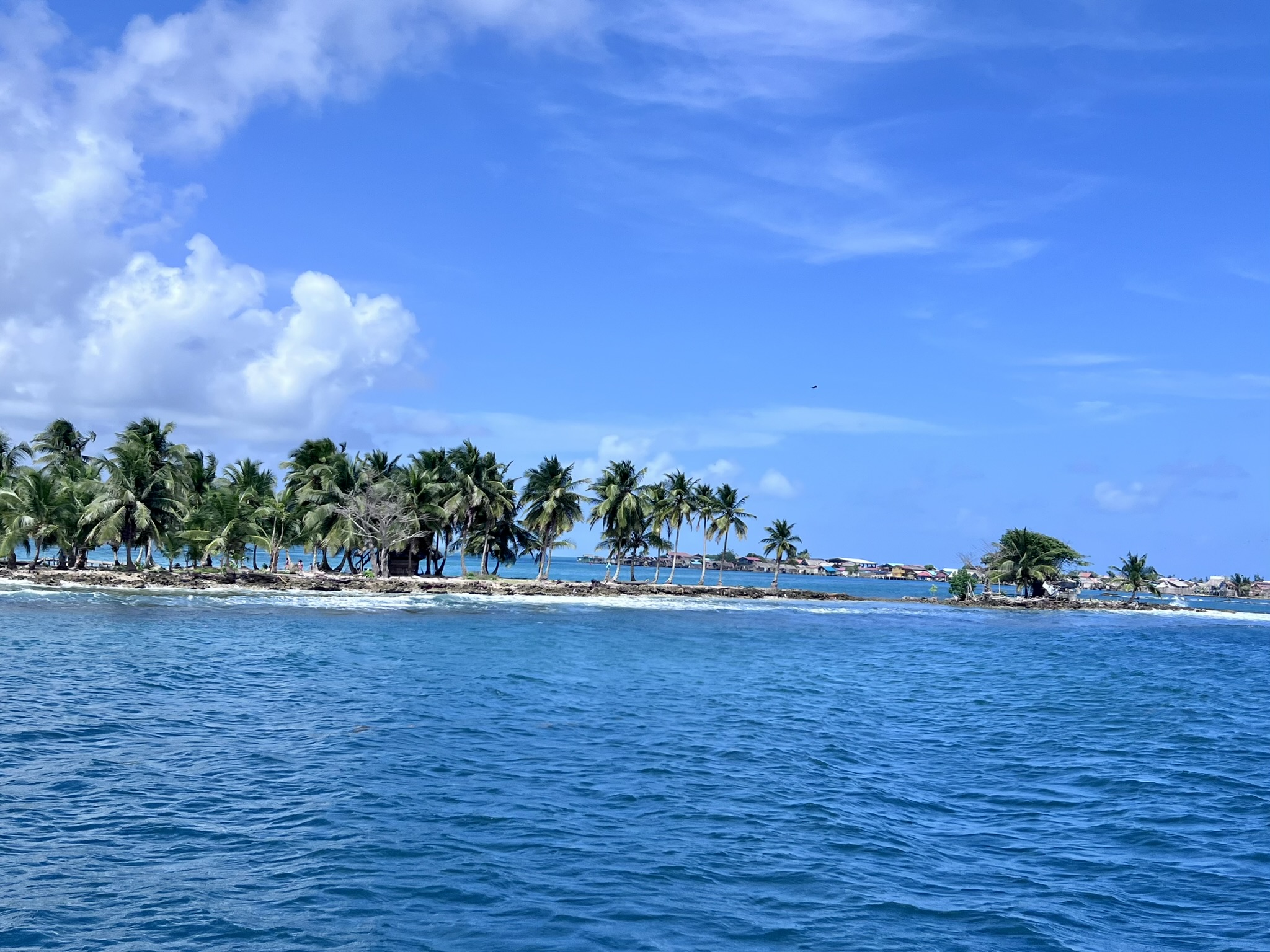
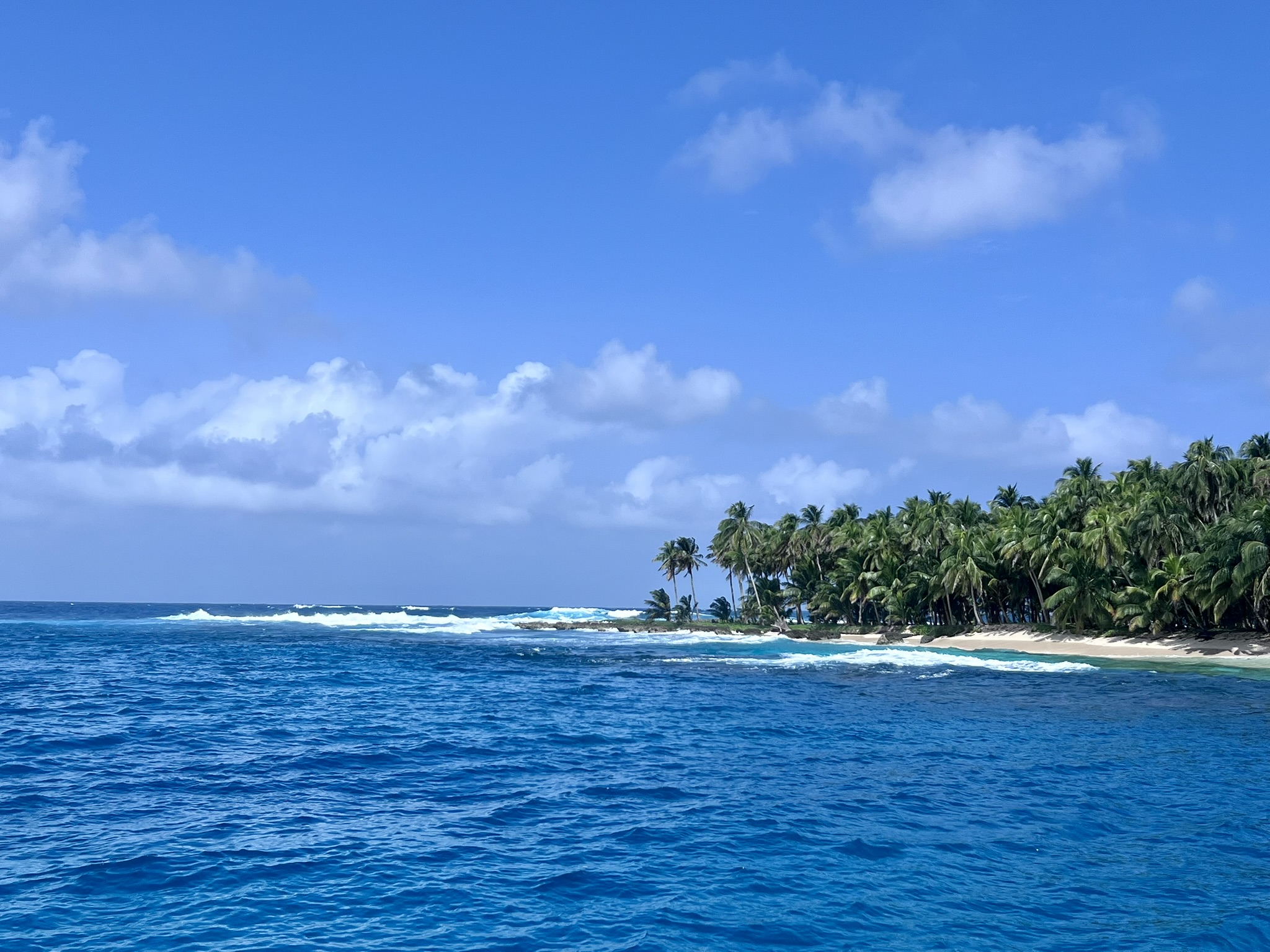
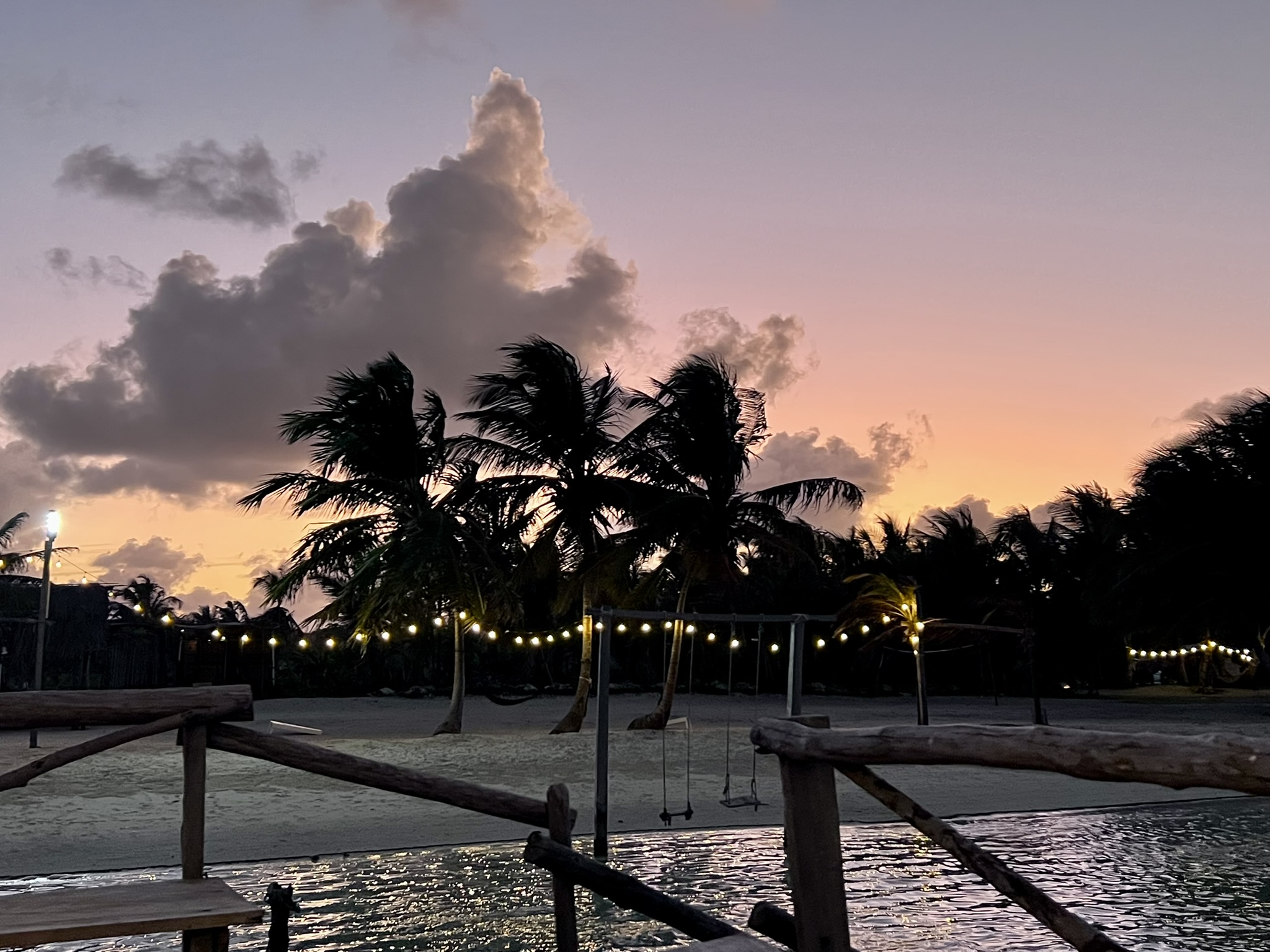
It wasn’t a pleasant stretch of sailing, although a couple of days later, once we got inside the outer barrier reefs a little farther up the coast, it got a bit smoother. On the other hand, we traded fewer waves and swell for labyrinthine coral reefs that we were increasingly aware were not all accurately represented on our charts. We didn’t move without turning on our forward sonar. But every night we tucked up into a lagoon in front of another tiny island that shielded us from most of the remaining swell and wind and all of the mosquitoes the area is infamous for. (We’d been feasted on as we were leaving the second anchorage because it was so calm andprotected, and we vowed we wouldn’t spend another night where there wasn’t enough of a breeze to keep the bugs down.) We occasionally passed islands with small communities of Guna, and children ran along the shores to try to keep up with us, waving all the while.
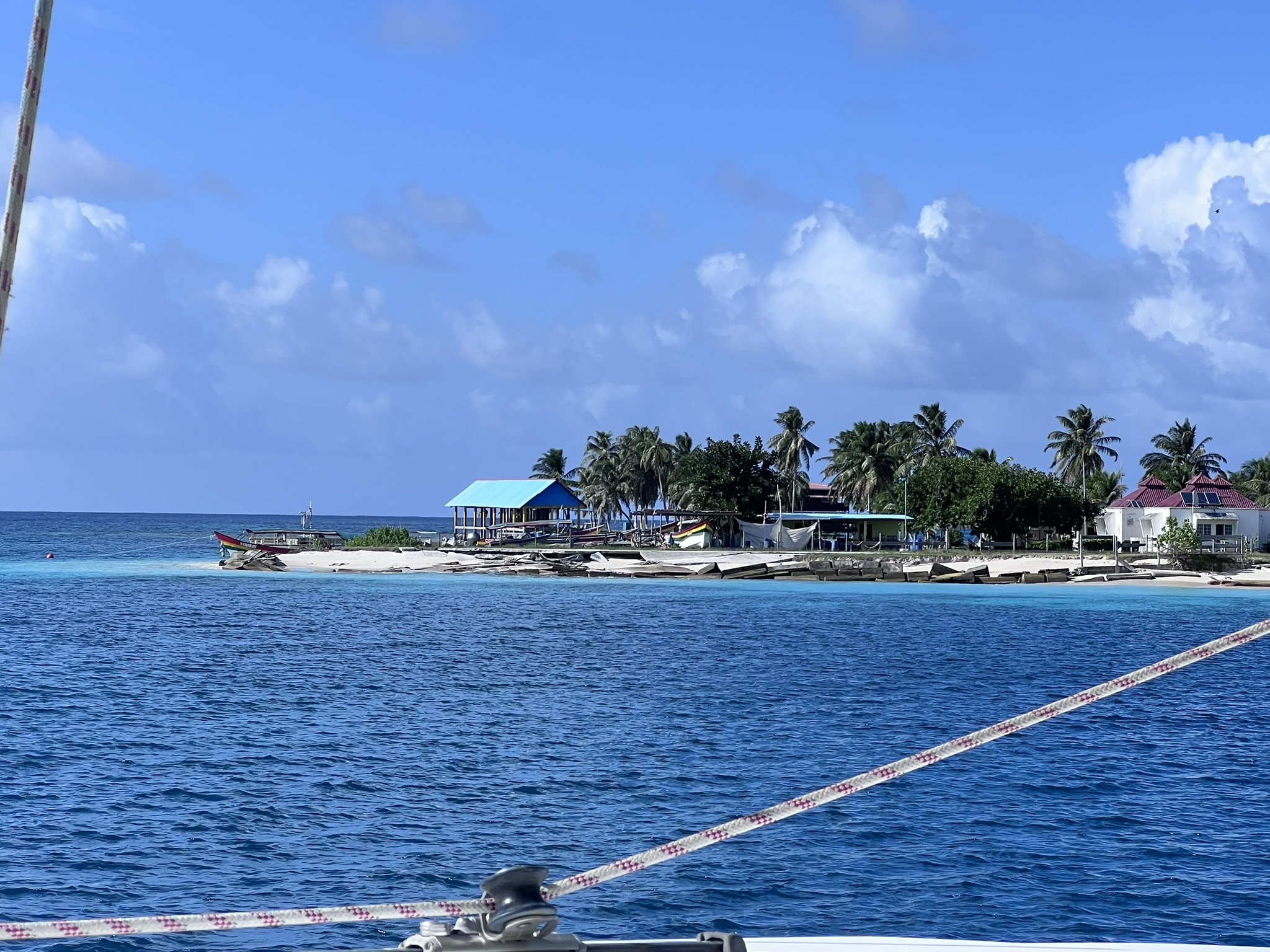
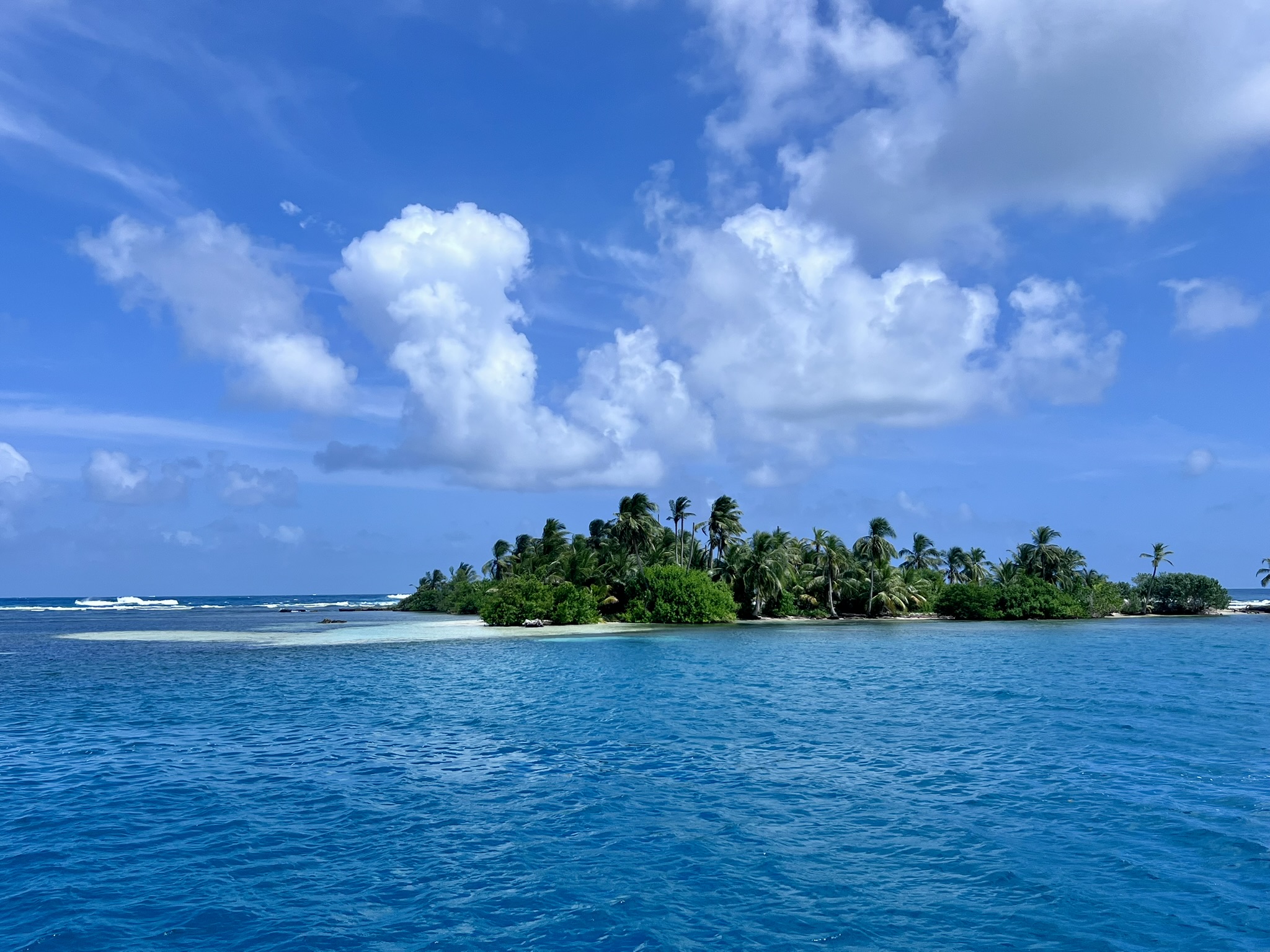
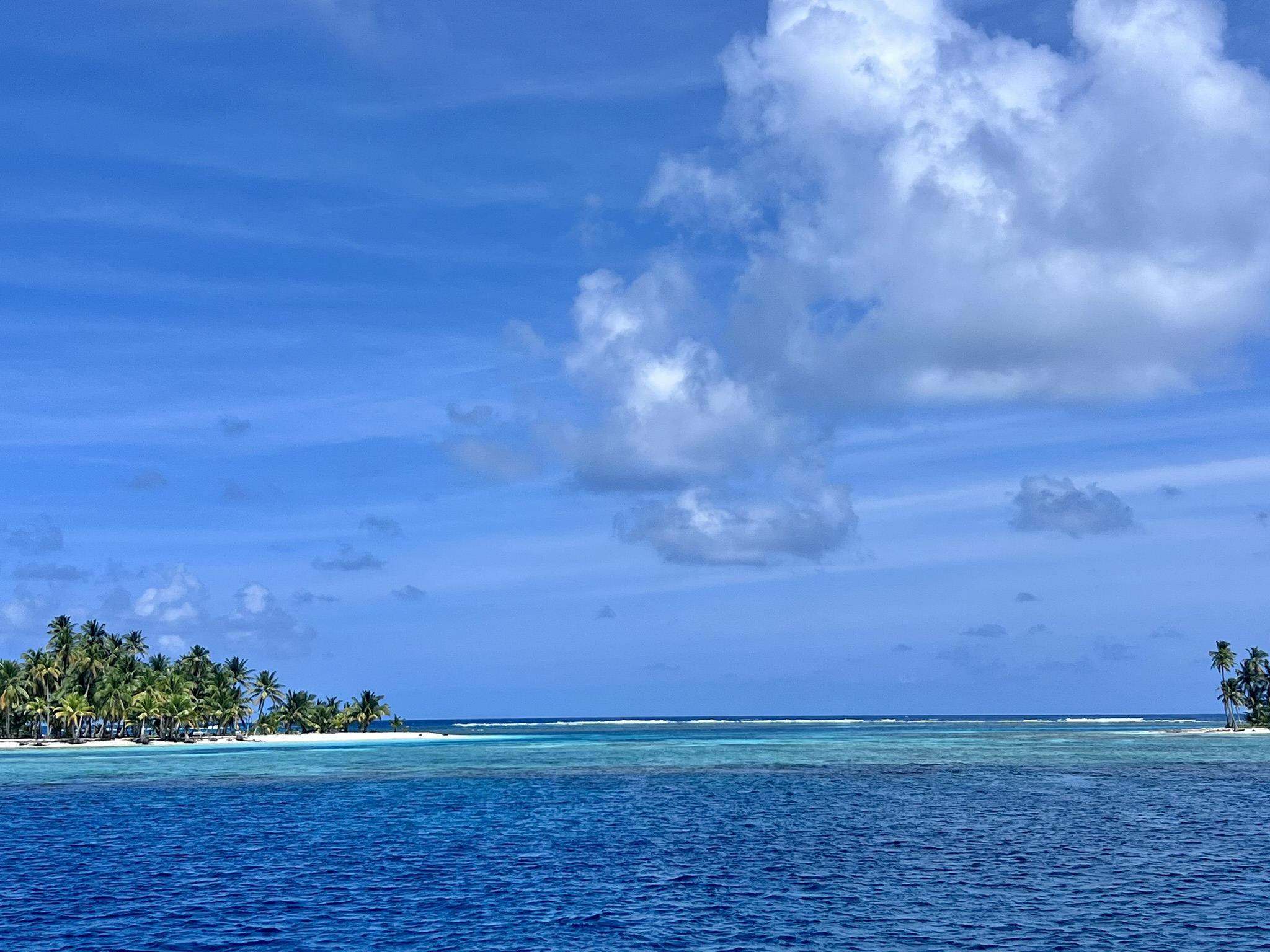
Five days later we stopped in at El Porvenir to pay the cruising fee but didn’t plan to stay – which was too bad because although License to Chill was anchored nearby, they weren’t on the boat. We’d met Doug and Beth in Bonaire in November, and when we met up with them again at Shelter Bay Marina in Colón a few weeks later, they recounted hollering at us from the beach at El Porvenir where they were spending the afternoon with friends. We made up for lost time with them at SBM.
Before we could get the anchor up three dugout canoes full of Guna women with bags of molas converged on us at once. There was no escape: we were buying molas that day. We invited them all into the cockpit and one by one they showed me every mola in every bag. It was clear we’d have to buy one from each of the five women, so I struggled to decide from the dozens and dozens they’d held up for inspection. We were happy to support the trade, delighted to meet the women who made them, and ended up with five molas of varying but mostly mediocre quality. Still beautiful, but there were more to come.


There are certain anchorages in Guna Yala that are always crowded. Unsurprisingly there was a very high correlation between good reviews on noforeignland and dozens of boats cramming into the anchorage. We needed to be at one of the islands listed by Brendall’s tour operator, who was simply driving them and others to the coast from Panama City, then handing them all over to pangas that would drop them at whatever island they had requested. We had to provide documentation to show we were legally in the province before the operator would confirm they could join the trip. We looked through the list, spotted one that wasn’t crowded at all, and headed in.

The reefs should have turned my hair white during our stay in Guna Yala. We were headed directly for a pass into the anchorage that the charts said was 3’ deep, but our sonar was still pinging 15-20’. I was willing to slowly continue unless and until the sonar warned of anything shallower than about 6’, as our draft is a little over 4’. As we neared, a much larger cat came barreling at us through the pass and we knew we were going to be fine. It didn’t always go that way. I made a few full reverse stops as we moved through the islands in the coming days and narrowly avoided several possible disasters. We didn’t have the Bauhaus charts for the area, relying instead on our digital charts and sonar, but heard several times while we were there and after we left Guna Yala that therefore we were very lucky to a) have forward sonar, and b) not run aground while we were there regardless. Stories abounded of boats that wrecked on a reef “over by that island” just “a month ago” and had to be pulled off by other boats if they were lucky or left for salvage if they weren’t. We crawled verrrrrrry slowly through them.
Once anchored at Yansaladup we were immediately approached by a man in a panga with several large bags of molas. Venancio assured us he could return in the morning after Brendall arrived, and handed me his card, which claimed he was a master mola maker. He was from a cluster of islands a little bit southeast, and we had heard that these islands were known for having the highest quality molas available. I was cautiously optimistic. Next came the lobster sellers – it was lobster season, so Peter didn’t have any qualms about buying a couple, but they threw in a third that was so small he waited until they left and tossed it back in the water. I can’t bring myself to eat anything that presents with eyes – and am increasingly unable to stomach animals that arrive in Styrofoam, for that matter – so Peter pithed and boiled them and had a little feast.


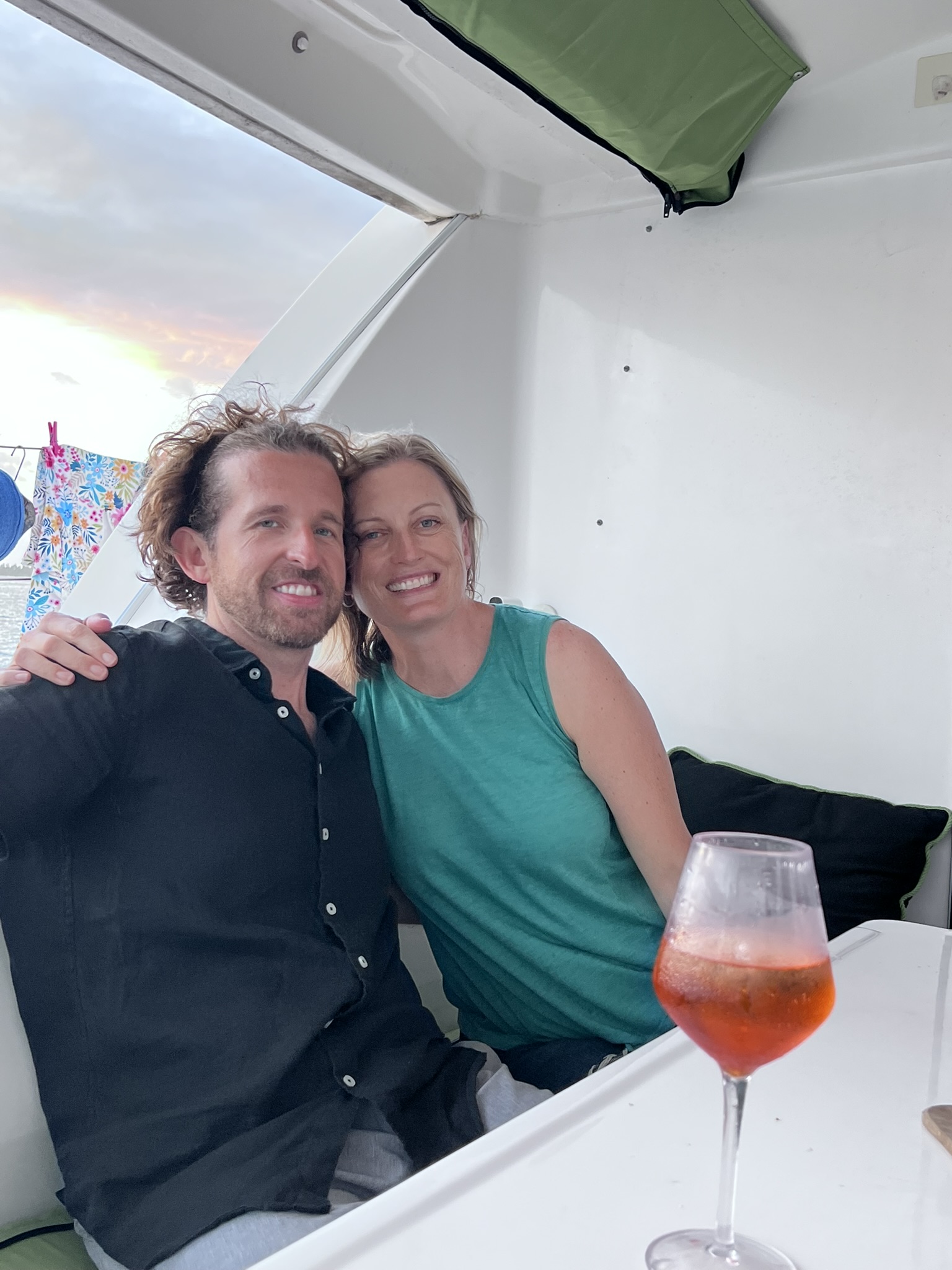
Brendall visited us when we were in the Ionian back in our first season, and we spent a lovely few days with them in the Diapontians and Corfu. Having them back on the boat was a joy – typically helpful, engaged, interested in everything, and very sailing-curious. Brad in particular is also a good and enthusiastic cook – bonus! They settled in and we got caught up on their lives since we’d seen them for brunch in Colorado over the holidays. Venancio arrived early afternoon, and we all spent the next couple of hours agonizing over how many and which of his gorgeous molas we wanted to invest in. He was indeed a master: Brendall had just been to the Mola Museum in Panama City’s old town and were confident these could have been part of the exhibits. He made them himself, despite the strong tradition of it being women’s domain, and most of them had his name sewn somewhere in the design. Impossible to know for sure, but he was very proud of the work and charged for them accordingly. We were only too happy to pay, thrilled as we were with our selections.


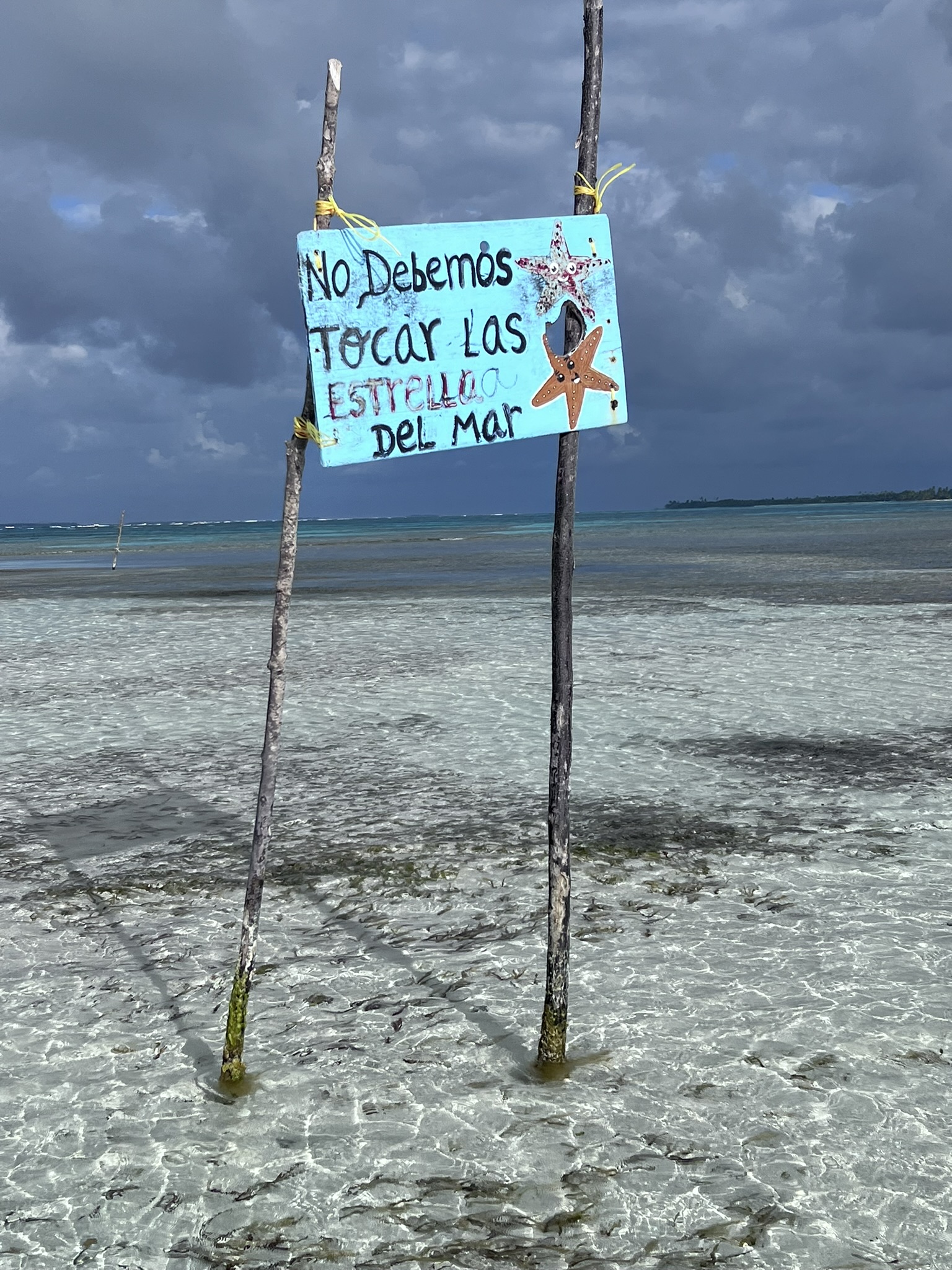
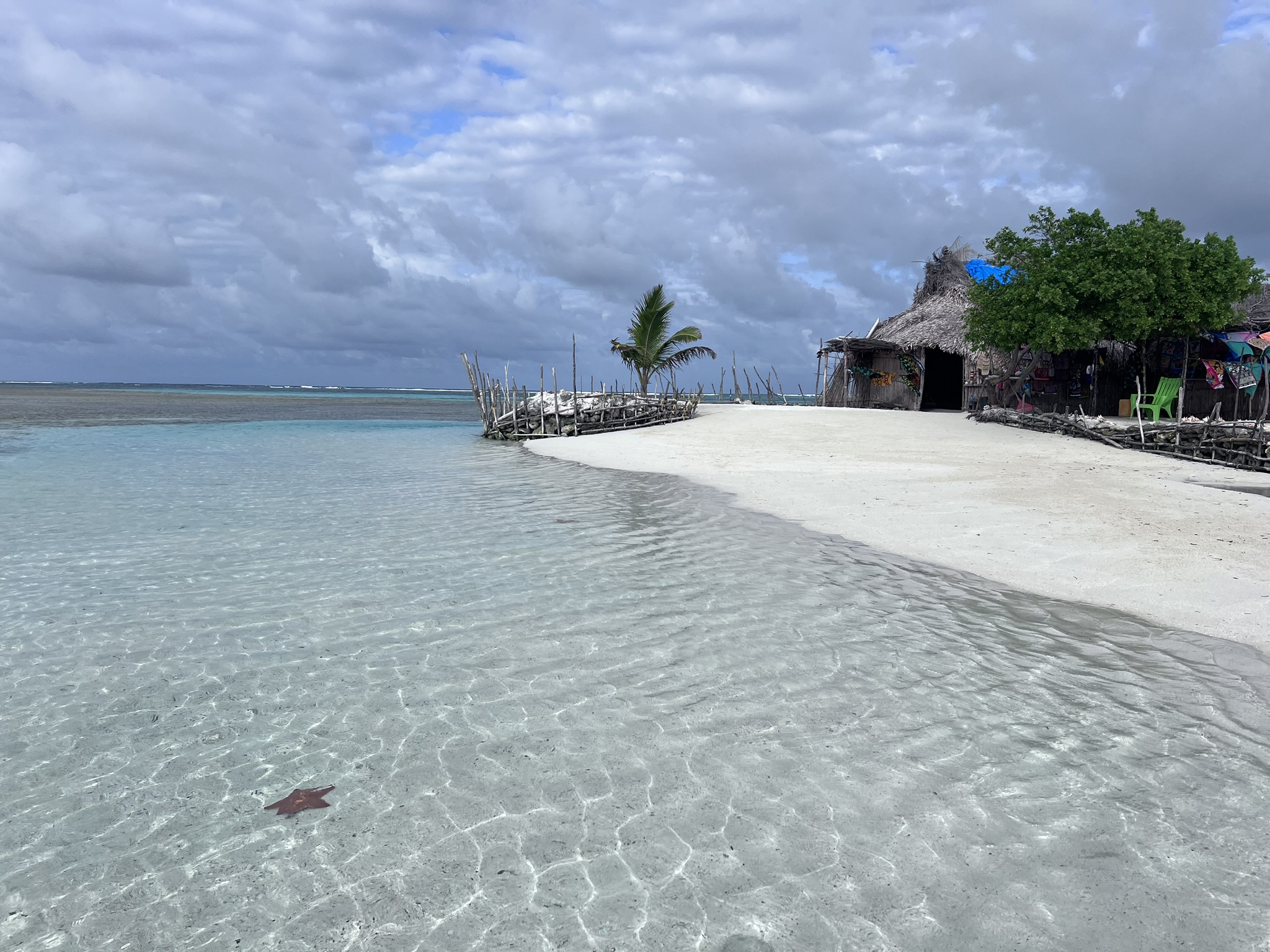
We moved around the islands over the following days, snorkeled where we could, enjoyed dinner at a well known restaurant on a pier overlooking a large reef, and before we moved on and when we brought Brendall back to be picked up, we went in to Yansaladup’s minimal bar for the coldest beers any of us had had in ages. There was an Olympic sized “swimming pool” in the middle of the sea near that anchorage that was about 3′ deep, pure white sand on the bottom and ringed with reef. We regretted not bringing along beers when we lazed around it one afternoon, but didn’t make the same mistake when we anchored near a much larger one that formed part of “eagle ray alley.” It was hard to see them go.



They were lucky they got out when they did though – after a week of mostly good weather, the wind whipped up that afternoon, and a small craft advisory strongly discouraged any boats from leaving a protected anchorage. We were stuck for another three days before we could move on toward Colón and the Shelter Bay Marina, where we planned to spend a couple of weeks having some work done on the boat and finalize the preparations to cross the Pacific. Peter wanted to be through the Canal and casting off for the Marquesas no later than March 1st.
Up Next: Full of illusions